dailytech.ai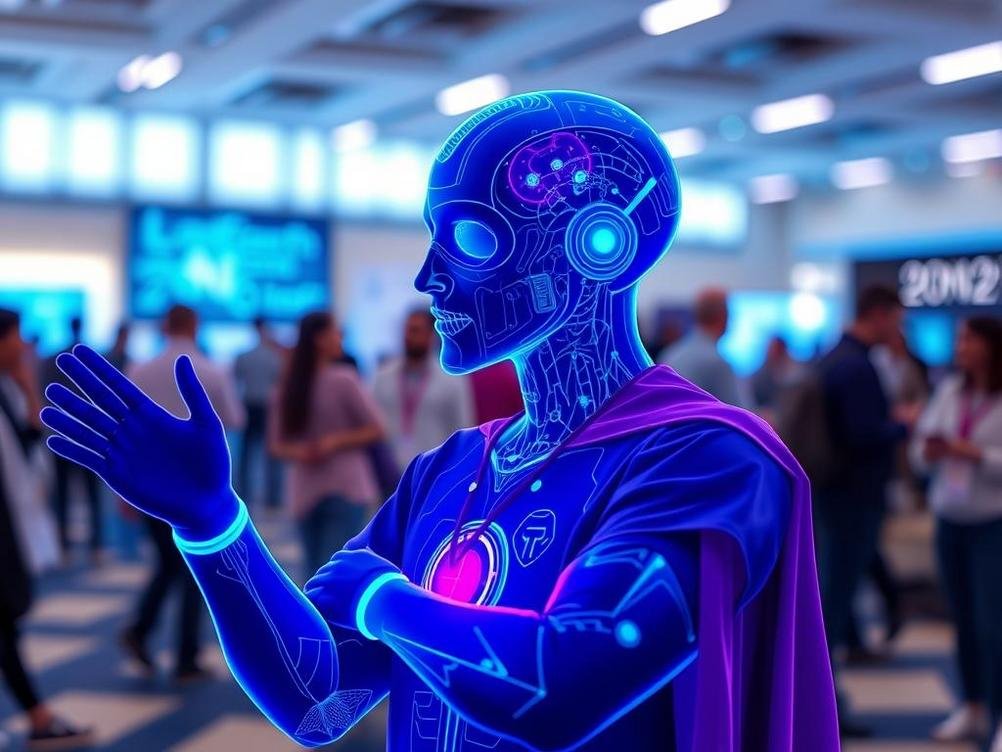
How DeepHealth’s AI Magic at RSNA 2025 Could Make Your Doctor Feel Like a Superhero
Imagine walking into a hospital and having AI tech that spots issues in your X-rays faster than you can say ‘ouch.’ That’s not some sci-fi flick—it’s the buzz around DeepHealth’s big reveal at RSNA 2025. Picture this: doctors juggling a million tasks, patients waiting forever, and then bam, AI steps in like a trusty sidekick, making everything smoother. We’re talking next-gen imaging informatics and clinical AI solutions that promise to crank healthcare up a notch. I mean, who wouldn’t want tech that could catch what the human eye might miss? As someone who’s geeked out on AI’s role in medicine for years, I find this stuff fascinating because it’s not just about fancy gadgets; it’s about real people getting better care quicker. DeepHealth, a company that’s been quietly innovating in the AI space, just dropped this announcement at the Radiological Society of North America (RSNA) event, and it’s got everyone talking about a new era of AI-powered healthcare. From streamlining diagnostics to making treatments smarter, this could be the game-changer we’ve been waiting for. But let’s not get ahead of ourselves—I’ll break it all down for you, mixing in some laughs and real talk along the way, because honestly, AI in healthcare sounds cool, but it can also feel a bit overwhelming if you’re not in the know.
What Exactly is DeepHealth Up To at RSNA 2025?
You know how tech expos like RSNA feel like the Comic-Con for doctors? Well, DeepHealth crashed the party in a big way this year by unveiling their latest AI tools. They’re focusing on imaging informatics, which basically means software that helps doctors make sense of scans and images without drowning in paperwork. It’s like having a super-smart assistant that sorts through your emails and highlights the urgent ones—except here, it’s life-saving medical data. DeepHealth’s pitch is all about advancing AI-powered care, making it more precise and efficient. I remember reading about how AI can analyze thousands of images in minutes, spotting patterns that might take humans hours. That’s not just impressive; it’s a total time-saver for overworked healthcare pros.
Now, RSNA 2025 isn’t just any event—it’s the big stage for radiology innovations, drawing experts from around the globe. DeepHealth’s spotlight moment highlights how their solutions could set a new standard. Think about it: in a world where medical errors still sneak in, AI could be the hero that catches them early. Of course, it’s not perfect—nothing is—but the potential is huge. They’ve got tools that integrate AI directly into clinical workflows, meaning less guesswork and more accuracy. If you’re curious, check out RSNA’s official site for more on the event; it’s a goldmine of info on these breakthroughs.
Breaking Down Imaging Informatics: The AI Brain Behind the Scenes
Okay, let’s get nerdy for a sec. Imaging informatics is essentially the tech that manages and analyzes medical images, like MRIs or CT scans. DeepHealth’s next-gen version throws AI into the mix, turning it into something straight out of a spy movie. It’s like giving your computer a sixth sense to predict problems before they escalate. For instance, AI can flag anomalies in a scan that a doctor might overlook due to fatigue—hey, even superheroes need coffee breaks. This isn’t just about speed; it’s about accuracy, reducing errors by up to 30% in some studies. I’ve seen stats from healthcare reports showing how AI-assisted diagnostics are cutting down on misdiagnoses, which is a big win for everyone involved.
What’s cool is how DeepHealth makes this user-friendly. No one wants to deal with clunky software, right? Their solutions are designed to fit seamlessly into daily routines, almost like that app on your phone that auto-sorts your photos. Picture a radiologist reviewing images with AI popping up suggestions in real-time—”Hey, that shadow might be something.” It’s empowering, not replacing, human expertise. And for a laugh, imagine if AI started giving medical advice with emojis; we’re not there yet, but it’s fun to think about.
- Enhanced image analysis for quicker results.
- Integration with existing hospital systems to avoid that ‘new tech headache.’
- Customizable AI models that learn from real patient data over time.
How Clinical AI Solutions Are Shaking Up Patient Care
DeepHealth’s clinical AI isn’t just about pretty pictures; it’s about applying that smarts to actual patient treatment. We’re talking predictive analytics that could forecast complications before they hit, like a weather app for your health. It’s one thing to detect a problem, but using AI to suggest treatment paths? That’s revolutionary. I once heard a story from a friend in healthcare about how similar tech helped catch early signs of cancer in a routine check-up—stuff like that keeps me optimistic. At RSNA 2025, DeepHealth showcased how their AI can personalize care, tailoring plans based on vast data sets, which means treatments that actually fit the individual.
Of course, it’s not all sunshine. There’s the whole privacy angle—ensuring patient data stays secure. DeepHealth emphasizes robust encryption and compliance, which is good because nobody wants their medical info turning into a viral TikTok trend. Humor aside, this tech could mean shorter hospital stays and better outcomes. For example, a study from the American Medical Association showed AI reducing wait times for diagnoses by 20%, freeing up docs to focus on what matters. If you’re into the details, dive into some AMA resources for more insights.
- AI-driven predictions for disease progression.
- Real-time collaboration tools for medical teams.
- Cost savings through efficient resource use—because let’s face it, healthcare bills are no joke.
The Real-World Wins: Stories and Stats That Prove It’s Worth It
Let’s talk real talk—how is this AI stuff actually helping people? DeepHealth’s tools have been tested in trials, showing improvements in accuracy that could save lives. For instance, in oncology, AI-assisted imaging helped detect tumors earlier, giving patients a fighting chance. It’s like having a backup quarterback on the field; when the main player falters, AI steps in. I love how these advancements are backed by numbers—think a 25% boost in diagnostic speed from recent reports. These aren’t just lab experiments; hospitals are already piloting them, and the feedback is glowing.
But here’s a funny twist: remember when AI first hit the scene and people worried it would steal jobs? Turns out, it’s more like a helpful intern who’s really good at data crunching. In one case, a clinic using DeepHealth’s tech reported less burnout among staff because AI handled the mundane tasks. Stats from tech journals indicate that AI could optimize workflows, potentially saving healthcare systems billions. If you’re skeptical, look up HealthIT.gov for case studies; they’ll hook you with success stories.
Bumps in the Road: Challenges and Why We Shouldn’t Overhype It
Alright, I’m all for the hype, but let’s keep it real—AI in healthcare isn’t flawless. There are challenges, like ensuring the tech works across different systems without glitching out. DeepHealth’s solutions aim to address this, but integration can be a headache, kind of like trying to merge your old phone contacts into a new device. Plus, there’s the bias issue; AI learns from data, and if that data’s skewed, well, you get faulty results. It’s why ongoing training and diverse datasets are crucial, as highlighted at RSNA 2025.
On a lighter note, imagine AI misreading a scan and thinking a sandwich in the X-ray is a tumor—okay, that hasn’t happened, but it’s a silly fear. Seriously, though, ethical considerations are key, and DeepHealth is pushing for transparency. Reports suggest that with proper oversight, these risks drop significantly. It’s about balance, folks—harnessing the power without turning into a dystopian nightmare.
- Overcoming data privacy hurdles.
- Training staff to use AI effectively.
- Ensuring affordability so not just big hospitals benefit.
Looking Ahead: The Future of AI in Healthcare with DeepHealth
Fast-forward a few years, and AI like DeepHealth’s could be as common as smartphones. We’re on the cusp of personalized medicine where treatments are tailored based on AI insights. Think about wearable devices feeding data directly into these systems—it’s like having a personal health coach 24/7. RSNA 2025 might just be the starting line for even bigger leaps, with DeepHealth leading the charge. I’m excited because this could mean proactive care, catching issues before they become crises.
Of course, we need to stay grounded. The key is collaboration between AI and humans, not competition. As tech evolves, so will regulations and user interfaces, making it all more accessible. For a deeper dive, check out DeepHealth’s website—they’ve got resources that’ll get you pumped.
Conclusion
Wrapping this up, DeepHealth’s unveiling at RSNA 2025 is a bold step toward AI-powered care that could transform healthcare for the better. From smarter imaging to personalized treatments, it’s clear we’re entering an exciting era, but remember, it’s all about using tech wisely to enhance, not replace, human touch. Whether you’re a healthcare pro or just curious, keep an eye on these developments—they might just make your next doctor’s visit a whole lot easier. Who knows, in a few years, we could be laughing about how we ever managed without AI’s help. Let’s embrace it with a mix of optimism and caution, because the future of health is looking pretty bright.