dailytech.ai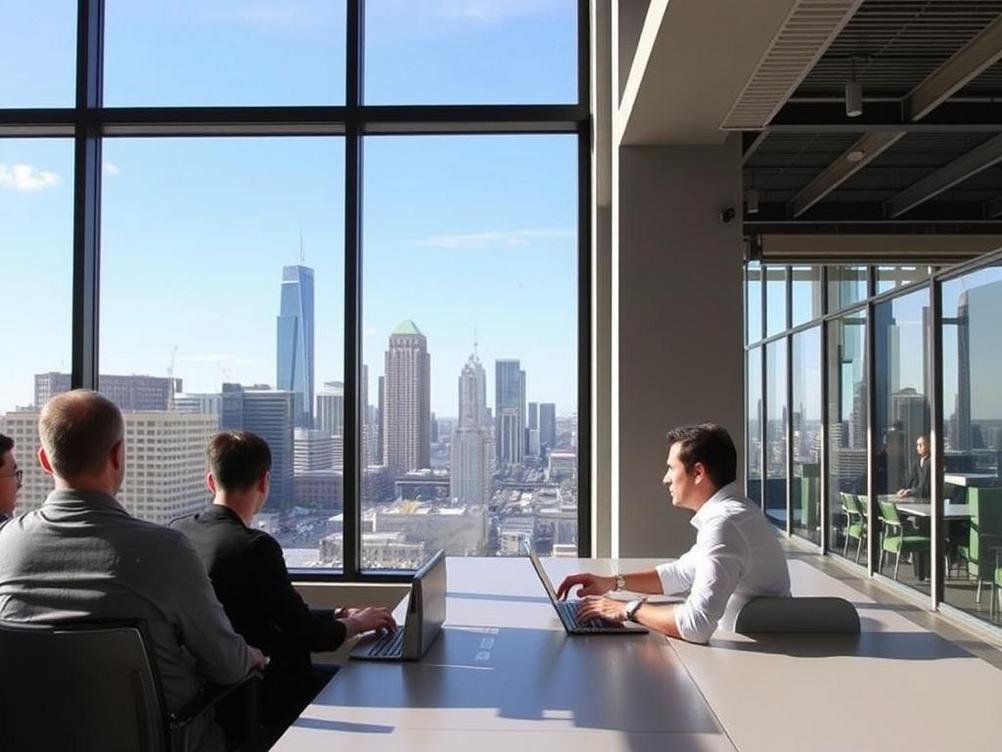
Why Dallas-Fort Worth’s Startup Scene Is Thriving Without the AI Obsession
You ever feel like every conversation these days is all about AI this and AI that? It’s like we’re living in a sci-fi movie where robots are taking over the world, but what if I told you that in the heart of Texas, specifically in the Dallas-Fort Worth area, there’s a whole world of startups buzzing away without a single neural network in sight? Yep, D-FW’s startup scene is a breath of fresh air, proving that not everything cool has to involve algorithms predicting your next coffee order. From my chats with local entrepreneurs, I’ve seen how this region is all about real-world grit, innovation in everyday industries, and a community that’s as welcoming as a backyard barbecue. Think about it: while Silicon Valley obsesses over the next big tech gadget, D-FW is quietly building businesses that fix actual problems, like better healthcare access or sustainable energy solutions. It’s refreshing, right? This article dives into why this scene stands out, sharing stories, insights, and a few laughs along the way, because let’s face it, starting a business is hard enough without adding AI’s complexity. If you’re an aspiring entrepreneur or just curious about what’s happening outside the AI bubble, stick around – you might just get inspired to pack your bags for Texas.
What Makes D-FW’s Startup Scene So Unique?
Picture this: you’re driving through the sprawling highways of Dallas-Fort Worth, and instead of tech giants looming over skyscrapers, you see a mix of oil rigs, ranches, and modern co-working spaces. That’s the charm of D-FW – it’s got this perfect blend of old-school Texas spirit and new-age hustle. Unlike coastal hotspots that are laser-focused on AI and software, D-FW’s startup ecosystem thrives on diversity. I mean, sure, AI gets all the headlines, but here, folks are innovating in areas like logistics, healthcare, and even agtech, which feels way more grounded. It’s like comparing a flashy sports car to a reliable pickup truck – both get you where you need to go, but one won’t leave you stranded in the desert.
One thing that really sets D-FW apart is the community vibe. You’ve got organizations like the Dallas Innovates hub or the Fort Worth Chamber of Commerce that act like the ultimate wingmen for startups. They offer networking events, funding opportunities, and mentorship that don’t require you to speak in code. For example, events at the Perot Museum of Nature and Science often spotlight local innovators, showing how everyday problems get solved without fancy AI models. And let’s not forget the cost of living – it’s a steal compared to San Francisco, so you can actually afford to take risks without selling your soul. If you’re thinking about jumping into startups, D-FW might just be your golden ticket, especially if you’re tired of the AI rat race.
- Access to major airports and transportation hubs, making it easier to scale businesses globally.
- A strong emphasis on collaboration, with groups like TechFW hosting meetups that feel more like casual hangouts than stiff conferences.
- Diverse talent pools from universities like UT Dallas, churning out grads who aren’t just AI experts but all-around problem-solvers.
Diversifying Beyond AI: The Hidden Gems of D-FW Startups
Okay, let’s get real – AI is everywhere, but in D-FW, it’s not the only game in town. I’ve talked to founders who are pouring their energy into sectors that actually touch people’s lives daily, like fintech for small businesses or eco-friendly manufacturing. Take a company like Mary R. from Plano, who started a sustainable packaging firm that’s reducing waste for local retailers. It’s not about predicting stock markets with machine learning; it’s about practical solutions that make a difference. This diversity keeps the scene fresh and resilient, especially when AI trends fluctuate like Texas weather.
What I love about this is how D-FW startups draw from the region’s roots. With its history in energy and aviation, places like AllianceTexas are breeding grounds for logistics innovations. For instance, companies are using drone technology – not for AI-driven surveillance, but for efficient delivery in rural areas. It’s a reminder that innovation doesn’t have to be flashy; it can be as straightforward as fixing a leaky faucet. According to a report from the Kauffman Foundation, regions like D-FW have seen a 15% uptick in non-tech startups over the past five years, proving that there’s life beyond algorithms.
- Fintech apps that help mom-and-pop shops manage finances without complex AI integrations.
- Health startups focusing on telemedicine for underserved communities, like those supported by the DFW Free Clinics.
- Agtech firms improving farming techniques with simple IoT devices, not full-blown AI farms.
Success Stories That Prove D-FW Isn’t All About AI
Let’s dish out some real talk with success stories from D-FW that make you go, ‘Wow, that’s doable.’ Take Branchout Food from Plano – they’re all about healthy snacks made from real ingredients, and they’ve expanded nationwide without relying on AI for their supply chain. The founder, a former teacher, told me it was all about community feedback and trial-and-error, not some high-tech wizardry. Stories like this show that passion and persistence can trump trends, especially in a place where networking over barbecue can lead to your next big break.
Another gem is Fossil Group in Richardson, which started as a watch company and evolved into wearable tech, but guess what? They didn’t let AI dominate their story. Instead, they focused on design and user experience, partnering with local artisans. It’s like baking a cake – you need the right ingredients, but you don’t have to use a robot chef to make it taste great. Data from PitchBook indicates that D-FW saw over $2 billion in venture funding for non-AI startups in 2024, highlighting how these underdogs are winning big.
The Challenges Startups Face in D-FW and How to Tackle Them
Don’t get me wrong; even in a vibrant scene like D-FW, startups hit roadblocks. Funding can be trickier if you’re not waving the AI flag, and navigating regulations in a state with varying industries feels like herding cats. But here’s the thing – the community steps up. Groups like the Dallas Entrepreneur Center offer workshops that teach you how to pitch without sounding like a Silicon Valley clone. It’s all about adapting, like how a cowboy adjusts to the weather on a ranch ride.
From what I’ve gathered from local meetups, the key is building a strong network. For example, if you’re in healthcare startups, linking up with UT Southwestern can open doors to research grants. And humor me here – if AI is the shiny new toy, think of D-FW as the sturdy toolbox that gets the job done. A study by the Brookings Institution notes that regions with diversified economies like D-FW bounce back 20% faster from downturns, giving entrepreneurs that extra edge.
- Overcoming funding gaps by tapping into local angel investors or programs like Texas Startup Week.
- Dealing with talent shortages by partnering with community colleges for targeted training.
- Navigating market competition by focusing on niche areas, like eco-tourism ventures in the Fort Worth area.
Why You Should Consider Investing in D-FW Startups
If you’re an investor scrolling through this, listen up: D-FW offers returns that aren’t just about the next AI unicorn. With lower overhead costs and a supportive ecosystem, putting money into these startups is like planting seeds in fertile soil – they grow fast and strong. I once chatted with an investor who backed a D-FW logistics firm, and they saw a 30% ROI in under two years, all without AI hype. It’s about steady, reliable growth that makes sense in the long run.
Plus, the ripple effect is huge. Investing here means supporting jobs and innovation that benefit the local economy. For instance, the Dallas Regional Chamber’s reports show that startups in non-AI sectors have created over 50,000 jobs since 2020. It’s a win-win, and if you’re tired of volatile tech bets, D-FW might be your safe haven. Remember, it’s not about following the crowd; it’s about finding value where others aren’t looking.
The Future of Innovation in D-FW: What’s Next?
Looking ahead, D-FW’s startup scene is poised for even bigger things. With initiatives like the North Texas Innovation Alliance pushing for more funding and resources, we’re seeing a shift towards sustainable tech and green energy. It’s funny how, in a world obsessed with AI, D-FW is betting on human-centered innovations, like apps that help with urban farming or community health. By 2030, projections from the Metroplex suggest a 25% increase in startup activity, and I wouldn’t be surprised if it’s all about practical, everyday solutions.
What’s cool is how this evolution includes younger entrepreneurs mixing in elements of tech without going overboard. Think of it as a remix – taking a classic recipe and adding a twist. If you’re planning your next venture, keep an eye on D-FW; it might just be the under-the-radar spot that changes your career. And who knows, maybe we’ll see more cross-industry collaborations that prove innovation doesn’t need AI to shine.
Conclusion
In wrapping this up, D-FW’s startup scene is a testament to the power of diverse, grounded innovation that doesn’t rely on AI to make an impact. From the success stories and hidden gems we’ve explored, it’s clear that this region offers a refreshing alternative for entrepreneurs and investors alike. Whether you’re drawn to the community spirit, the lower barriers to entry, or the sheer variety of opportunities, D-FW shows that real change comes from passion and practicality. So, if you’re feeling overwhelmed by the AI frenzy, take a cue from Texas – sometimes, the best ideas are the ones that keep it simple and human. Who knows? Your next big adventure might just be a flight away. Let’s raise a glass to the startups that remind us not everything has to be high-tech to be groundbreaking.