 dailytech.ai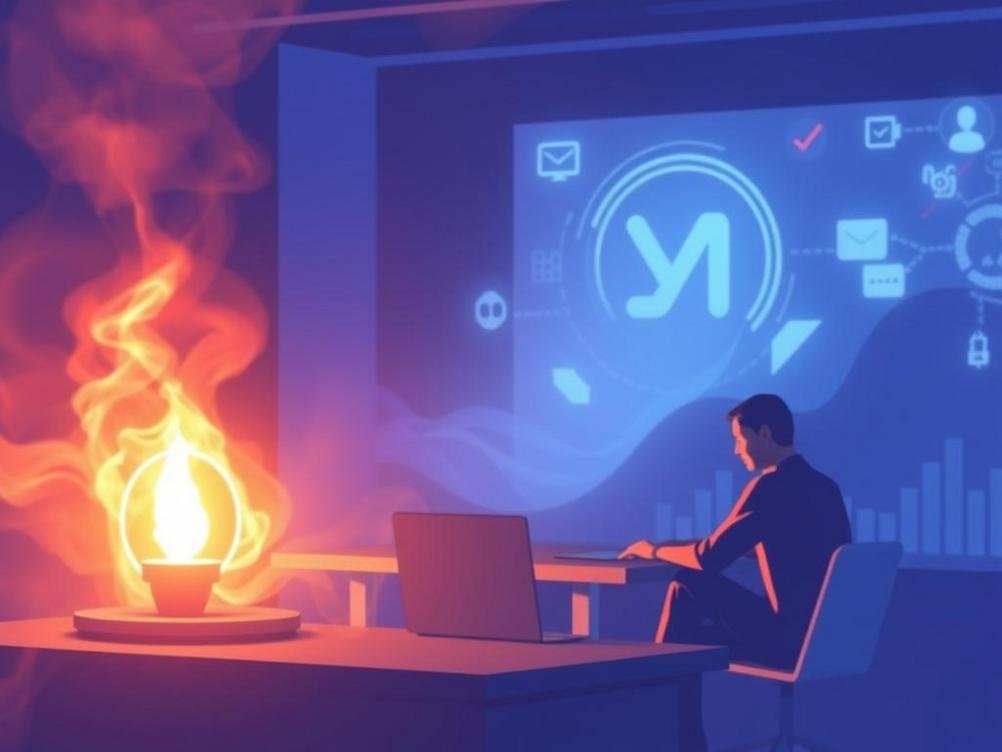
Drama Alert: What’s Brewing Between Meta’s AI Teams and Why It Matters
Hey there, tech enthusiasts! Imagine you’re at a family reunion where everyone’s got their own recipe for the perfect pie, but instead of sharing tips, they’re tossing flour at each other. That’s kind of what’s happening right now at Meta, the big kahuna behind Facebook, Instagram, and all those apps we can’t live without. Word on the street is that there’s some serious tension bubbling up between their AI teams. Yeah, you heard that right— the folks who are supposed to be pushing the boundaries of artificial intelligence are apparently clashing heads. It all started making headlines recently, and as someone who’s been geeking out over AI for years, I couldn’t resist diving into this juicy bit of corporate drama. Is it just office politics, or is there something bigger at play that could shake up the entire tech world? Let’s unpack this, shall we? From differing visions on AI ethics to resource hogging, this internal feud might just be the tip of the iceberg in Meta’s ambitious quest to dominate the AI space. Stick around as we explore the ins and outs, throw in some laughs, and maybe even predict what’s next. After all, in the fast-paced world of tech, today’s tension could be tomorrow’s breakthrough—or breakdown.
The Spark That Lit the Fuse
It all kicked off when reports surfaced about Meta’s internal AI divisions not seeing eye to eye. You’ve got teams working on everything from generative AI like their Llama models to more practical stuff in content moderation and user recommendations. But here’s the kicker: some insiders are whispering that the generative AI crew is getting all the glory (and the budget), leaving the other teams feeling like the forgotten middle child. It’s like that one sibling who always gets the bigger slice of cake—resentment builds up, right?
According to leaks from employees (anonymous, of course, because who wants to get Zuckerberged?), there’s friction over priorities. One team pushes for rapid innovation to compete with giants like OpenAI, while others stress the importance of safety and ethical guidelines. Remember the time Meta had to pull back on some AI features due to biases? Yeah, that kind of stuff is fueling the fire. It’s not just about egos; it’s about the direction of AI at a company that’s influencing billions of lives daily.
Key Players in This AI Tug-of-War
At the heart of this are some big names. Yann LeCun, Meta’s chief AI scientist, is all about open-source AI and long-term research. He’s like the wise old wizard advocating for collaboration. On the flip side, there are product-focused teams under executives pushing for quick wins to boost user engagement. It’s a classic battle between pure research and applied tech—think academia vs. startup hustle.
And let’s not forget Mark Zuckerberg himself. Zuck’s been vocal about Meta’s AI ambitions, pouring billions into it. But with tensions rising, he’s probably playing referee. Sources say he’s trying to unify the teams, but it’s easier said than done when everyone’s got their own agenda. Picture a CEO trying to herd cats, except these cats are super-smart AI experts with PhDs.
To make sense of it, here’s a quick rundown of the main factions:
- Research Purists: Focused on groundbreaking tech, less on immediate profits.
- Product Innovators: Aiming to integrate AI into apps for better user experience.
- Ethics Watchdogs: Ensuring AI doesn’t go rogue or biased.
Why Internal Drama Spells Trouble for Meta
Okay, so why should we care about some office squabbles? Well, Meta isn’t just any company; it’s a behemoth shaping how we connect online. If their AI teams are at odds, it could slow down innovations that affect everything from your feed algorithms to virtual reality experiences. Imagine if the left hand doesn’t know what the right is doing—recipes for disaster, like buggy features or ethical slip-ups that lead to scandals.
Historically, companies like Google have faced similar issues, where AI ethics teams clashed with business goals, leading to high-profile exits. Meta’s already lost some talent over this, and in the talent war for AI pros, that’s a big no-no. Plus, with regulators breathing down their necks—think EU’s AI Act or US antitrust probes—this internal tension could amplify external pressures. It’s like trying to juggle while walking a tightrope; one wrong move, and splat.
Potential Ripple Effects on the Broader AI Landscape
Beyond Meta’s walls, this drama could influence the whole industry. If Meta’s open-source push falters due to infighting, competitors like Google or Microsoft might gain an edge. Remember how Llama models shook things up by being freely available? That’s democratizing AI, folks. But if teams can’t collaborate, we might see slower progress or even proprietary shifts, which isn’t great for smaller players relying on open tech.
On a funnier note, it’s like watching a superhero team-up movie where the heroes bicker more than they fight villains. In reality, though, this could lead to breakthroughs if resolved creatively. Some experts predict that ironing out these tensions might birth hybrid approaches, blending ethics with innovation. For instance, imagine AI that not only generates cool images but does so without cultural biases—win-win!
Let’s list out some possible outcomes:
- Increased innovation through forced collaboration.
- Talent drain to rivals, heating up the AI arms race.
- Regulatory scrutiny prompting better practices industry-wide.
How Meta Might Fix This Mess
So, what’s the game plan? Insiders suggest restructuring, like creating cross-functional teams to bridge gaps. It’s like therapy for corporations—get everyone in a room, talk it out. Zuckerberg could lead by example, emphasizing a unified vision. Heck, maybe throw in some team-building retreats; who doesn’t love trust falls with AI nerds?
Another angle: investing more in AI ethics from the get-go. Companies like Anthropic are already doing this successfully. Meta could learn a thing or two, perhaps by hiring more diverse voices to balance perspectives. And let’s not forget transparency—sharing more about internal processes might rebuild trust, both inside and out.
Lessons for Other Tech Giants
This isn’t just Meta’s problem; it’s a wake-up call for the tech world. As AI becomes ubiquitous, managing internal dynamics is key. Take Apple, which keeps things tight-lipped but surely faces similar issues. The lesson? Foster a culture where debate is encouraged but doesn’t turn toxic. It’s like seasoning a dish—just enough spice to make it flavorful, not overwhelming.
From a personal standpoint, I’ve seen this in smaller tech firms too. A buddy of mine worked at a startup where dev teams clashed over features, nearly tanking the product. They sorted it by weekly sync-ups and pizza parties—sometimes, simple fixes work wonders. For giants like Meta, scaling that human touch is the real challenge.
Conclusion
Whew, what a ride through Meta’s AI drama! At the end of the day, this tension between teams highlights the growing pains of a company betting big on the future. It’s messy, it’s human, and yeah, it’s a bit entertaining from the outside. But resolving it could lead to smarter, safer AI that benefits us all. So, keep an eye on Meta—they might just turn this friction into fuel for the next big thing. What do you think? Is this just par for the course in tech, or a sign of deeper issues? Drop your thoughts in the comments, and let’s chat. Until next time, stay curious and keep questioning the tech overlords!







Leave a Reply