 dailytech.ai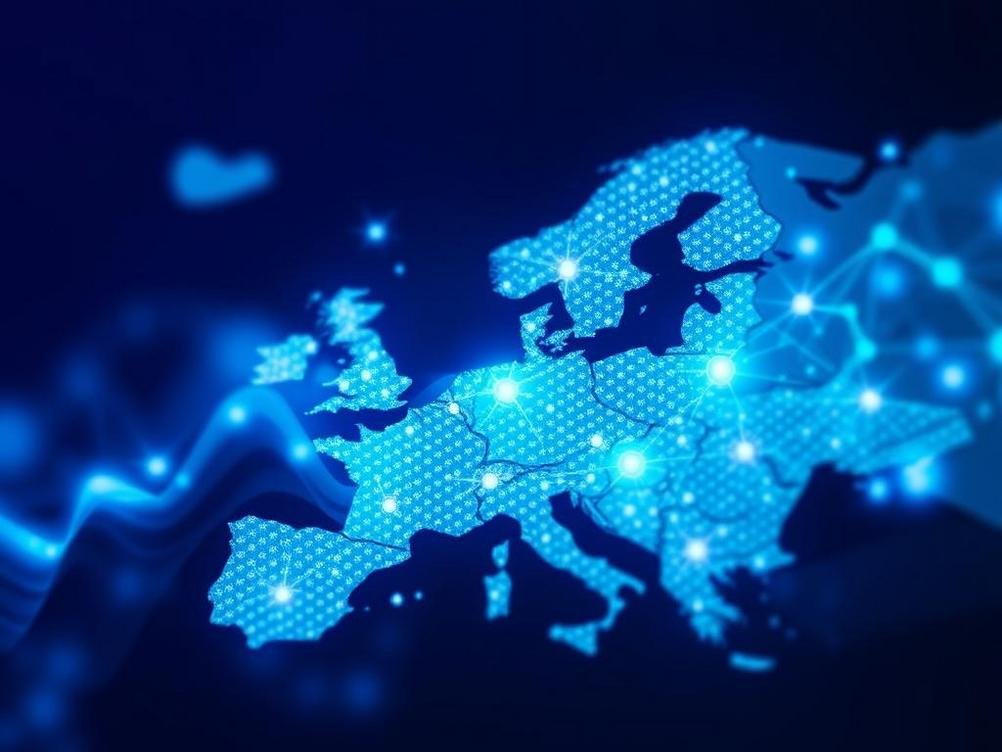
How Europe is Revving Up to Lead the AI Health Revolution
Picture this: It’s a rainy afternoon in Brussels, and a bunch of sharp-dressed EU officials are huddled around a conference table, not debating cheese tariffs, but dreaming big about artificial intelligence in healthcare. Yeah, Europe is throwing its hat in the ring to become the undisputed champ of AI health tech. While the US and China have been hogging the spotlight with their flashy startups and massive funding rounds, the Old Continent is quietly – or not so quietly – building a powerhouse of innovation that’s all about ethics, collaboration, and real-world impact. Think about it: with aging populations and strained healthcare systems post-pandemic, AI isn’t just a buzzword here; it’s a lifeline. From predictive diagnostics that catch diseases before they wreak havoc to personalized treatments that feel like they were tailored by your grandma’s intuition, Europe’s push is as much about saving lives as it is about reclaiming tech supremacy. And let’s not forget the humor in it – remember when GDPR made everyone panic about data privacy? Well, that’s now Europe’s secret weapon in trustworthy AI. Buckle up, because we’re diving into how the EU is steering this ship towards a healthier future, one algorithm at a time. It’s exciting, a tad chaotic, and definitely worth your attention if you’re into tech that actually matters.
The EU’s Grand Plan: Blueprints for AI Dominance in Health
So, what’s the big strategy? The European Union isn’t messing around with half-baked ideas. They’ve rolled out the AI Act, which is basically the world’s first comprehensive law on artificial intelligence, set to fully kick in around 2026. This isn’t just red tape; it’s a framework that ensures AI in health is safe, transparent, and bias-free. Imagine AI systems that diagnose skin cancer with pinpoint accuracy, but only after they’ve been vetted like a Michelin-star restaurant inspector checks kitchens. Europe’s focusing on high-risk applications, meaning health AI gets extra scrutiny to prevent mishaps, like that time an algorithm misdiagnosed a patient’s condition because it was trained on skewed data.
Beyond regulations, there’s a ton of funding pouring in. The Horizon Europe program is dishing out billions – we’re talking €95.5 billion from 2021 to 2027 – with a hefty chunk earmarked for health tech. It’s like giving startups a golden ticket to Willy Wonka’s factory, but instead of chocolate, it’s cutting-edge AI tools. Countries like Germany and France are leading the charge, with initiatives that blend public research with private innovation. Take France’s Health Data Hub, which is pooling massive datasets for AI training while keeping privacy intact. It’s a smart move that could position Europe as the go-to place for ethical AI health solutions.
And hey, let’s throw in some real-world spice: In the Netherlands, AI is already helping predict hospital bed shortages, saving nurses from burnout and patients from endless waits. It’s practical, it’s effective, and it’s got that European flair for efficiency without the drama.
Key Players and Collaborations: Who’s Who in Europe’s AI Health Scene
Europe’s AI health boom isn’t a solo act; it’s more like a rock concert with multiple headliners. Big names like Siemens Healthineers from Germany are pioneering AI-driven imaging that spots anomalies in X-rays faster than you can say ‘prost!’ They’re partnering with universities and startups to push boundaries, creating tools that assist radiologists without replacing them – because who wants a robot as their doctor, right?
Then there’s the UK’s Alan Turing Institute, which, despite Brexit, still collaborates closely with EU counterparts. They’re diving into machine learning for drug discovery, accelerating the process from years to months. Imagine finding a cure for a rare disease quicker because AI sifted through mountains of data overnight. It’s collaborations like these, including the European Health Data Space initiative, that are knitting together a continent-wide network. This space aims to make health data shareable across borders, fueling AI innovations while respecting privacy – a tricky balance, but Europe’s pulling it off with style.
Don’t overlook the startups either. Companies like Ada Health in Berlin are using AI chatbots to triage symptoms, helping millions access care without overwhelming GPs. It’s like having a pocket doctor that’s always on call, minus the awkward waiting room magazines.
Ethical Edges: Why Europe’s Approach Stands Out
Here’s where Europe shines like a beacon in the foggy world of tech ethics. Unlike some Wild West approaches elsewhere, the EU is all about ‘trustworthy AI.’ That means algorithms that are fair, explainable, and accountable. In health, this is crucial – you don’t want an AI denying treatment because it has a hidden bias against certain demographics. Europe’s guidelines ensure that, drawing from real incidents like the COMPAS algorithm fiasco in the US, where biases led to unfair outcomes.
Take the example of AI in mental health apps. Apps like Woebot use chatbots for therapy, but in Europe, they’re regulated to ensure they don’t give harmful advice. It’s a humane touch that builds public trust. Plus, with the AI Act classifying health AI as high-risk, developers must conduct rigorous assessments, which might slow things down but ensures longevity. It’s like building a house on solid foundations rather than quicksand.
And for a chuckle: Remember when facial recognition AI confused people with similar features? Europe’s cracking down on that in health contexts to avoid mix-ups in patient records. Smart, right?
Challenges on the Horizon: Bumps in the Road to Leadership
Of course, it’s not all smooth sailing. Europe faces stiff competition from the US, where venture capital flows like Niagara Falls, and China, with its massive data pools. The EU’s regulatory-heavy approach can sometimes stifle innovation – startups complain about the paperwork being thicker than a Tolstoy novel. Funding gaps persist too; while Horizon Europe is generous, it’s not matching the Silicon Valley billions.
Data silos are another headache. Not all countries have digitized health records, making it hard to train robust AI models. Then there’s the talent drain – top AI minds often jet off to sunnier climes with bigger paychecks. But Europe’s fighting back with programs like the Marie Skłodowska-Curie Actions, luring researchers with grants and a quality of life that’s hard to beat (hello, croissants and siestas).
Let’s list out some key challenges:
- Regulatory hurdles that delay market entry.
- Fragmented data across 27 member states.
- Competition for global talent.
- Balancing innovation with stringent privacy laws.
Despite these, Europe’s resilience is turning obstacles into opportunities.
Innovative Breakthroughs: AI Health Wins from Europe
Let’s geek out on some cool breakthroughs. In Sweden, researchers at Karolinska Institute are using AI to predict Alzheimer’s years in advance by analyzing brain scans and genetic data. It’s like having a crystal ball for neurology, potentially delaying onset through early interventions.
Over in Spain, AI is optimizing organ transplants. Systems predict compatibility and post-op success rates, reducing wait times and improving outcomes. Picture this: A heart from Barcelona saving a life in Warsaw, all thanks to an algorithm that matched them perfectly. Then there’s Estonia, the digital pioneer, where e-health records feed AI for nationwide epidemic tracking – they caught wind of COVID trends early on.
These aren’t pie-in-the-sky ideas; they’re happening now. For instance, the EU-funded project like BigO uses AI to combat childhood obesity by analyzing lifestyle data from wearables. It’s preventive medicine on steroids, engaging kids with gamified apps to encourage healthy habits.
The Global Impact: How Europe’s Lead Benefits Everyone
Europe’s AI health push isn’t isolationist; it’s got ripple effects worldwide. By setting high standards, they’re influencing global norms – think how GDPR inspired data laws everywhere. If Europe nails ethical AI in health, it could export these models to developing nations, bridging healthcare gaps.
Collaborations extend beyond borders too. Partnerships with the WHO and initiatives like the Global Alliance for People’s Health are sharing AI tools for disease surveillance. Imagine AI helping track outbreaks in Africa, trained on Europe’s diverse datasets. It’s a win-win, fostering innovation while addressing inequalities.
And personally, I love how this democratizes health. Tools like open-source AI platforms from Europe allow smaller clinics worldwide to adopt advanced tech without breaking the bank. It’s like sharing the recipe for grandma’s secret sauce – suddenly, everyone’s cooking better.
Conclusion
Whew, we’ve covered a lot of ground, from Brussels blueprints to Swedish brain scans. Europe’s quest for AI health leadership is more than ambition; it’s a thoughtful sprint towards a future where technology heals without harming. By prioritizing ethics, collaboration, and innovation, the EU is poised to not just compete, but redefine the game. Sure, there are hurdles, but with their track record of turning challenges into triumphs – think the Eurozone surviving crises – I’m betting on them. If you’re in tech, health, or just curious about the world, keep an eye on Europe. Who knows? The next big AI breakthrough might just come from a lab in Paris or a startup in Prague, making our lives healthier and a bit more exciting. What’s your take – ready to jump on this bandwagon?








Leave a Reply