dailytech.ai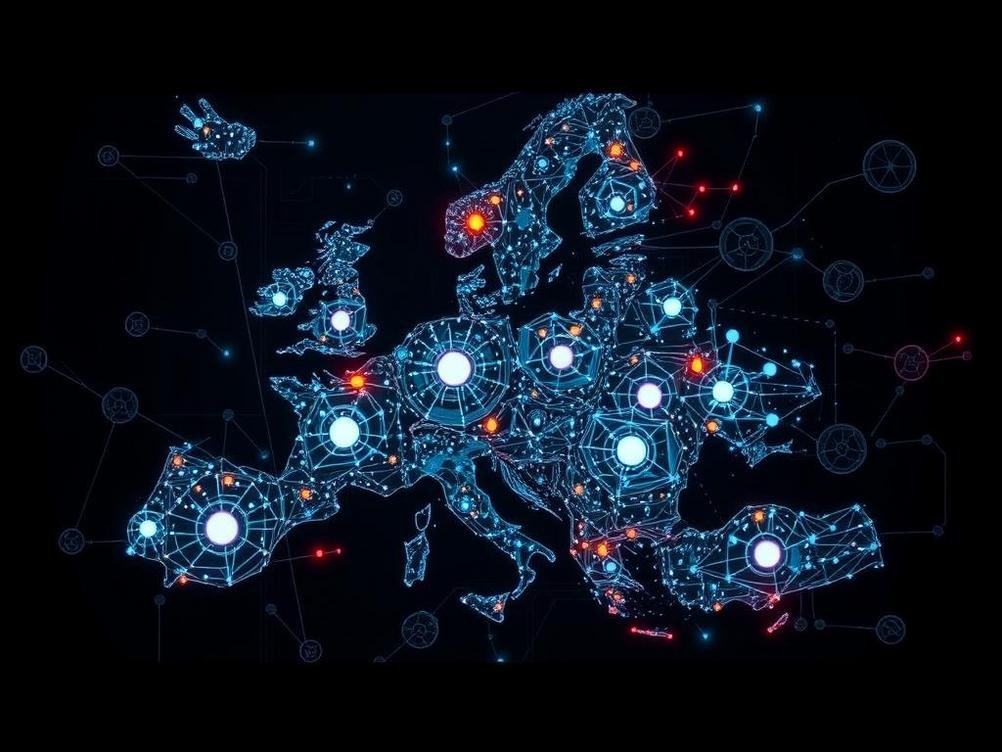
How Europe is Teaming Up to Build the Wild World of AI
Imagine this: You’re at a massive tech conference in Berlin, surrounded by buzzing conversations about robots, algorithms, and that weird AI that’s supposed to predict your next coffee order. But it’s not just about gadgets anymore—it’s about how Europe’s actually pulling together to shape the future of AI. Think of it like a group project in school, but instead of cramming for exams, we’re talking about creating tech that could run entire countries. As someone who’s nerded out on AI for years, I find it fascinating how Europe is ditching the solo act and going full team mode. We’re seeing governments, startups, and even your average Joe jumping in to make sure AI doesn’t turn into a dystopian mess. But hey, is this really going to change your life, or is it just another headline? Stick around, because we’re diving into how Europe’s collaborative spirit might just be the secret sauce for a smarter tomorrow.
What’s really cool is that Europe’s AI push isn’t some top-down mandate—it’s a mix of innovation, regulation, and a bit of that old-school diplomacy. Take the EU’s AI Act, for instance; it’s like setting ground rules for a playground, ensuring AI plays fair without stifling creativity. I’ve chatted with developers who say it’s forcing companies to think twice about biased algorithms, which is a win for everyone from job seekers to artists worried about deepfakes. And let’s not forget the human touch—Europe’s emphasis on ethical AI means we’re focusing on stuff like privacy and job security, not just building the next big chatbot. It’s exciting because this collaborative vibe could lead to breakthroughs that make AI more accessible, like tools that help small businesses predict trends without needing a PhD in data science. All in all, as we head into 2025, Europe’s AI story is one of unity, and it’s got me wondering: What if this global teamwork sets the standard for the rest of the world?
The Buzz Around Europe’s AI Landscape Right Now
Okay, let’s kick things off with a reality check: Europe’s AI scene is buzzing like a beehive, but it’s not all honey and flowers. Countries like France, Germany, and the UK are pouring billions into research, making it a hotbed for innovation. I remember reading about how the European Commission has invested over €7.5 billion in AI projects since 2020—that’s real money turning ideas into reality. It’s not just about flashy tech; it’s about practical stuff, like how AI is helping farmers in the Netherlands optimize crops with predictive analytics. Imagine your grandma’s garden, but on steroids, using drones and AI to spot pests before they wreck everything.
What’s funny is that Europe isn’t copying Silicon Valley; they’re carving their own path. With initiatives like the AI4Europe strategy, it’s all about collaboration across borders. Think of it as a potluck dinner where each country brings their specialty—Germany with its engineering prowess, Sweden with sustainable tech, and Italy adding a dash of design flair. But here’s the twist: not everyone’s on board yet. Some smaller nations are struggling with funding, which makes me think of that friend who always promises to contribute but shows up empty-handed. Still, the overall energy is positive, and stats from the European AI Alliance show that over 2,500 organizations are involved. That’s a lot of brainpower working together to tackle everything from healthcare to climate change.
- First off, key hubs like London and Paris are becoming AI meccas, attracting talent from around the globe.
- Then there’s the focus on open-source projects, like those from Hugging Face, which is based in Belgium and helps democratize AI tools for everyday use.
- Finally, partnerships with the US and Asia are mixing things up, creating a global network that’s more interconnected than your social media feed.
Who’s Who in the European AI Squad
When you talk about building Europe’s AI future, you can’t ignore the players making it happen. Governments are front and center, with the EU leading the charge through frameworks like the Digital Decade policy. It’s like they’re the team captains, rallying everyone for the big game. I’ve got to hand it to organizations like CERN in Switzerland—yeah, the same one that gave us the World Wide Web—they’re now diving into AI for particle physics, which sounds sci-fi but is actually solving real-world problems. And let’s not forget the startups; companies like DeepMind (now part of Google but with European roots) are pushing boundaries in ways that make you go, “Wow, that’s clever.”
Collaboration is key, and it’s not just big names—universities and private firms are teaming up too. For example, the European Innovation Council is dishing out grants to scrappy startups, helping them scale without selling their souls to mega-corporations. I once heard a founder joke that it’s like getting a VIP pass to the innovation party. But seriously, this mix of public and private efforts is what sets Europe apart. If you look at stats, over 40% of AI patents in Europe come from cross-border collaborations, showing that when we work together, magic happens. It’s reminiscent of that old saying, “Many hands make light work,” but with code and circuits.
- Big hitters like Fraunhofer in Germany are leading in applied AI research.
- Then there’s the role of accelerators like Station F in Paris, which nurture new ideas like a greenhouse for tech geeks.
- And don’t overlook global ties, such as partnerships with OpenAI—wait, that’s more US-centric, but Europe is adapting by focusing on ethical alternatives like Hugging Face, which promotes community-driven AI.
The Hurdles We’re Jumping Over
Look, no grand plan is perfect, and Europe’s AI journey has its share of bumps. Funding gaps and regulatory red tape can slow things down faster than a rainy day in London. I’ve talked to folks in the industry who say navigating the EU’s AI Act feels like solving a Rubik’s cube blindfolded—it’s doable, but man, it takes time. On the flip side, these challenges are forcing better practices, like ensuring AI systems are transparent and unbiased. Remember those horror stories about facial recognition gone wrong? Europe’s addressing that head-on, pushing for laws that protect personal data, which is a breath of fresh air in an era where your phone knows more about you than your best friend.
Another funny thing is the talent shortage; Europe needs more AI experts, and it’s like trying to fill a bucket with a sieve. Initiatives like the AI Masters programs in universities are stepping up, training the next generation. According to a recent report from the OECD, Europe could add €1.5 trillion to its economy by 2030 with the right AI investments, but only if we tackle these issues. It’s all about turning obstacles into opportunities, like how Amsterdam’s AI labs are using gamification to make learning coding as addictive as your favorite Netflix binge.
- First, regulatory hurdles are being simplified through ongoing reforms.
- Second, skill-building programs are popping up everywhere, from online courses to bootcamps.
- Third, international collaborations are helping share resources and knowledge.
Innovations That Are Blowing My Mind
Alright, let’s get to the fun part: the cool stuff coming out of Europe’s AI labs. We’re seeing innovations that make you rethink what’s possible, like AI-driven healthcare in the UK that’s predicting diseases before they even show up. I mean, imagine an app that scans your symptoms and suggests tweaks to your diet—it’s like having a doctor in your pocket, but without the waiting room drama. Countries like Estonia are leading with e-governance, using AI to streamline bureaucracy, which is a godsend for anyone who’s ever wrestled with paperwork.
And here’s where humor sneaks in: Europe’s AI is getting creative, too. Think about how Spanish researchers are using AI for art restoration, basically giving old masterpieces a digital facelift. It’s not just tech for tech’s sake; it’s about enhancing culture and daily life. Plus, with advancements in green AI, like those from Denmark’s wind energy projects, we’re tackling climate change with smarter grids. Stats from the World Economic Forum show that AI could reduce global emissions by up to 5% by 2030—now that’s something to cheer about. It’s all connected, making me wonder if we’re on the cusp of an AI renaissance.
The Policy and Funding Game Changers
Policies might sound boring, but in Europe’s AI world, they’re the unsung heroes. The EU’s Horizon Europe program is pumping funds into projects that sound straight out of a sci-fi novel, like AI for sustainable agriculture. I’ve read how this has led to tools that help farmers in rural France predict weather patterns, saving crops and sanity. It’s like the government saying, “Hey, we’re in this together,” and actually backing it up with cash. Without these investments, a lot of these ideas would just stay on the drawing board.
What’s neat is how policies are encouraging diversity in AI development. We’re seeing more women and underrepresented groups getting involved, thanks to initiatives like Women in AI Europe. It’s about time, right? As someone who’s followed this space, I love how it’s fostering a balanced approach. And with funding from the European Investment Bank, startups are thriving, turning pie-in-the-sky ideas into tangible products. If you ask me, it’s like watering a garden—without it, nothing grows.
What’s Next on the Horizon?
Peering into the future, Europe’s AI collaboration is set to explode. By 2030, we might see fully integrated AI ecosystems that link healthcare, education, and even entertainment. I envision smart cities in places like Barcelona, where AI optimizes traffic and energy use, making life easier and greener. It’s exciting, but also a bit wild—will we have AI companions that feel almost human? Probably, and Europe’s ethical framework will ensure they’re not sketchy.
The key is keeping that collaborative spirit alive. With events like the annual AI Summit in Lisbon, ideas are flowing faster than ever. It’s like a relay race where each handoff builds momentum. Projections from Gartner suggest AI will create 2.3 million jobs in Europe by 2025, which is a silver lining for anyone worried about automation stealing gigs.
Wrapping It Up: Why This Matters to You
In conclusion, Europe’s push to build its AI future together isn’t just about tech—it’s about creating a world that’s smarter, fairer, and a heck of a lot more fun. We’ve covered the landscape, the players, the challenges, and the innovations, and it’s clear that collaboration is the magic ingredient. Whether it’s improving healthcare or fighting climate change, this team effort is paving the way for a brighter tomorrow. So, next time you hear about AI, remember it’s not some distant concept; it’s shaping your daily life, one algorithm at a time.
As we wrap up, I’m inspired by how Europe’s approach shows that when we work together, we can tackle big problems without losing our humanity. Keep an eye on these developments—they might just change how you see the world. Who’s ready for the AI adventure ahead?