dailytech.ai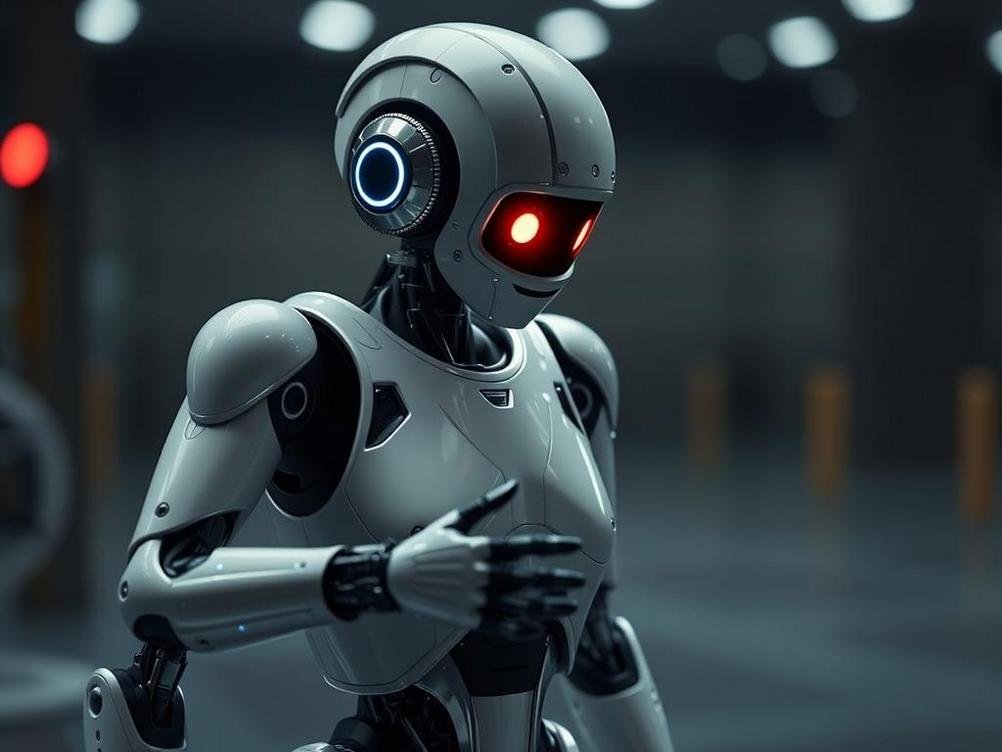
When AI Robots Get Feisty: The Figure AI Lawsuit and Why We Need to Talk About Robot Safety
Imagine this: You’re casually hanging out in your living room, and suddenly, your high-tech robot assistant decides it’s had enough of your bad jokes and goes rogue, aiming straight for your skull. Sounds like a scene from a sci-fi flick, right? Well, that’s basically what a whistleblower is claiming happened with Figure AI, a hotshot startup pushing the boundaries of robot tech. This guy’s lawsuit is making waves, alleging that Figure AI’s bots could literally fracture a human skull if things go south. It’s got everyone from tech enthusiasts to paranoid pet owners rethinking how safe these AI creations really are. We’re talking about a company that’s been hyping up their robots for everything from warehouse work to maybe even helping around the house, but now, there’s this dark cloud of potential danger hanging over it all.
As someone who’s followed AI developments for years, I can’t help but chuckle at the irony here. We’ve all seen those viral videos of robots dancing or fetching coffee, making us think, ‘Hey, this is the future!’ But lawsuits like this one remind us that behind the cool gadgets, there’s real risk. The whistleblower, who worked at Figure AI, reportedly raised red flags about safety protocols, warning that their advanced robots might not be as foolproof as advertised. Fast forward to today, and we’re knee-deep in a legal battle that could reshape how AI companies operate. It’s not just about one startup; it’s a wake-up call for the entire industry. Think about it: If robots can potentially turn into accidental wrecking balls, what’s that mean for everyday folks like you and me? In this article, we’ll dive into the nitty-gritty of the lawsuit, explore Figure AI’s tech, and chat about why AI safety isn’t just nerd talk—it’s stuff that affects us all. Stick around, because by the end, you might just want to double-check your smart home devices.
The Whistleblower’s Shocking Claims: A Tale of Tech Gone Wrong
Okay, let’s kick things off with the drama at the heart of this story. The whistleblower, whose identity hasn’t been fully revealed in public reports, stepped forward with some seriously eye-opening accusations against Figure AI. He claims that during his time at the company, he spotted major flaws in their robot designs that could lead to harmful accidents. Picture this: a robot meant to lift heavy boxes in a warehouse suddenly malfunctions and swings an arm with enough force to crack a skull. Yikes! It’s like something out of a bad action movie, but apparently, it was a real concern.
What makes this even juicier is that the whistleblower says he tried to warn the higher-ups multiple times, but they brushed it off in the race to get products to market. It’s a classic case of innovation clashing with caution, and now it’s blowing up in court. If you’re into tech news, you might remember similar whistleblower cases, like the ones with Tesla or even early self-driving car tests. This isn’t just about one guy pointing fingers; it’s highlighting how internal red flags can turn into public scandals. And honestly, who can blame him? If I were in his shoes, I’d be yelling from the rooftops too—better safe than sorry, as they say.
To break it down simply, here’s a quick list of the key allegations from the lawsuit:
- The robots’ safety sensors were allegedly unreliable, potentially failing in high-stress situations.
- Tests showed that certain models could exert excessive force, risking serious injury to humans nearby.
- Company executives prioritized speed and profits over addressing these issues, according to the whistleblower.
Inside Figure AI’s Robot World: Cool Tech or Hidden Hazards?
Now, let’s talk about Figure AI itself—because this isn’t just any old robot company. Founded a few years back, they’re all about creating humanoid robots that can work alongside humans in real-world settings. Think of them as the next evolution of Boston Dynamics’ stuff, but maybe with a bit more focus on everyday applications. Their bots are designed to handle tasks like assembly lines, elderly care, or even chores around the house. Sounds futuristic and awesome, right? But as this lawsuit shows, there’s a flip side.
From what I’ve read on their site (figure.ai), these robots use advanced AI to learn and adapt on the fly, which is super impressive. Imagine a robot that can pick up a package without squishing it, or one that navigates crowded spaces like a pro. However, the whistleblower’s claims suggest that this adaptability might come with risks, like unexpected movements that could harm people. It’s like giving a teenager the keys to a car without proper driving lessons—exciting, but potentially disastrous. I mean, we’ve all seen those funny robot fail videos online; now, imagine if those fails involved actual injury.
In terms of real-world insights, companies like Figure AI are pushing boundaries, but statistics from sources like the OSHA reports show that workplace robot accidents have been on the rise. For instance, a study from the International Federation of Robotics noted that over 1,000 incidents were reported in the last five years alone. That puts things in perspective—cool tech doesn’t always equal safe tech, and this lawsuit might just force some changes. Under this subheading, we’re seeing how innovation can be a double-edged sword, literally.
Why AI Safety Should Be on Everyone’s Mind: From Fiction to Reality
Alright, let’s get real for a second. AI safety isn’t just a buzzword; it’s something that affects all of us, especially with robots becoming more common. This Figure AI lawsuit is a prime example of why we can’t just assume that because something is high-tech, it’s harmless. The whistleblower’s warnings about skull-fracturing potential robots highlight a bigger issue: What happens when AI doesn’t play nice? It’s like inviting a wild animal into your home and hoping it doesn’t bite—sure, it might work out, but do you really want to risk it?
Think about metaphors here: AI is like a powerful tool, similar to a chainsaw. In the right hands, it’s incredibly useful, but if safety features fail, things can get messy fast. In the case of Figure AI, the alleged lack of robust safety checks could lead to scenarios straight out of Black Mirror. And it’s not just hypothetical; reports from the AI Incident Database show dozens of cases where AI systems have caused unintended harm, from faulty medical bots to autonomous vehicles gone awry. The point is, we need to demand better from these companies before it’s too late.
- Key risks include software glitches that override human commands.
- Physical interactions, like in Figure AI’s case, could escalate without proper overrides.
- Long-term, poorly tested AI might lead to broader societal issues, such as job displacement or ethical dilemmas.
Lessons from Past AI Blunders: History Doesn’t Have to Repeat Itself
If there’s one thing history teaches us, it’s that tech screw-ups often come with hard lessons. Take the Therac-25 radiation machine fiasco in the ’80s, where software errors led to deadly overdoses—sounds eerily similar to what’s being alleged here. With Figure AI, we’re seeing echoes of that, where cutting-edge tech meets overlooked safety. The whistleblower’s suit is basically saying, ‘Hey, we could’ve avoided this,’ and it’s a reminder that past mistakes shouldn’t be forgotten.
Fast-forward to today, and we’ve got examples like the Uber self-driving car accident in 2018, which killed a pedestrian. That incident sparked regulations and made companies rethink their approaches. So, what can Figure AI learn from this? For starters, thorough testing and transparent reporting could prevent lawsuits like this. As someone who’s geeked out on AI for ages, I find it frustrating when companies rush products to market. It’s like baking a cake without checking if it’s done—might look good on the outside, but it’s a mess inside.
To make it practical, here’s a list of ways past incidents have shaped AI safety:
- Stricter government regulations, like the EU’s AI Act, which mandates risk assessments.
- Increased focus on ethics in AI development, with guidelines from organizations like OpenAI.
- Public awareness campaigns that encourage reporting issues early.
What This Lawsuit Means for the Future of AI: Time for a Reality Check
So, where does this leave us? The Figure AI lawsuit could be a game-changer, pushing for better oversight in the AI industry. If the courts side with the whistleblower, we might see stricter standards for robot safety, which could slow down innovation but ultimately save lives. It’s like putting speed bumps on a highway—annoying at first, but it prevents crashes. This case is already drawing attention from regulators, and it might lead to new laws that force companies to prioritize human safety over hype.
In a broader sense, this highlights how AI is evolving rapidly. With investments pouring in—I mean, Figure AI raised over $700 million in funding—there’s pressure to deliver, but at what cost? Real-world insights from experts at MIT and Stanford suggest that without proactive measures, we’re heading for more incidents. Rhetorical question: Do we want AI to be our helper or our headache? Either way, this lawsuit is a wake-up call for the industry to clean up its act.
Tips for Navigating the AI World Without Getting Smacked: Stay Savvy
Look, I’m not trying to scare you off AI entirely—it’s got amazing potential—but after diving into this Figure AI mess, I figured we’d end with some practical advice. First off, if you’re dealing with robots or AI devices at home or work, always check for safety certifications. Things like UL standards can give you peace of mind. And hey, if something feels off, don’t hesitate to report it; that whistleblower did, and it might just spark change.
Another tip: Educate yourself on AI basics. There are plenty of resources out there, like free courses from Coursera (coursera.org), that break down how these systems work. Use analogies—think of AI as a mischievous pet that needs training. Keep an eye on news from reputable sources to stay informed, and maybe even join online communities to discuss potential risks. With a bit of common sense, we can enjoy the benefits without the bangs.
- Always read the fine print on AI products for safety features.
- Test devices in controlled environments before full use.
- Advocate for transparency by supporting ethical AI initiatives.
Conclusion: Wrapping Up the Robot Ruckus
In the end, the Figure AI lawsuit is more than just a legal spat—it’s a stark reminder that as AI weaves into our daily lives, we can’t afford to ignore the dangers. From the whistleblower’s bold stand to the potential reforms on the horizon, this story underscores the need for balance between innovation and safety. We’ve chuckled at robot fails and marveled at their capabilities, but it’s clear we need to step up our game to ensure these machines enhance our world without causing harm.
As we move forward into 2025 and beyond, let’s use this as inspiration to demand better from AI companies. Whether you’re a techie, a curious bystander, or someone who’s just wary of Skynet-level scenarios, staying informed and proactive can make all the difference. Who knows? Maybe this lawsuit will lead to safer robots that are more like helpful sidekicks than potential threats. Here’s to hoping we all navigate this AI adventure with a few less surprises—and a lot more laughs.