dailytech.ai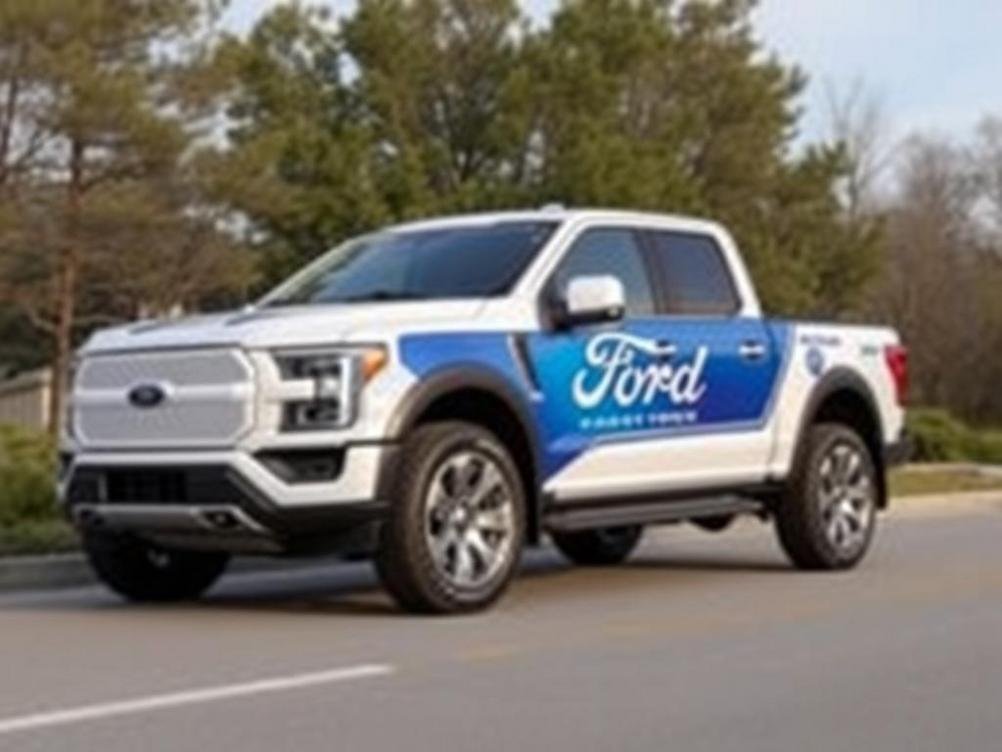
Why Ford’s Electric Truck Pivot to AI Feels Like a Wild Plot Twist
Imagine this: You’re cruising down the highway in your shiny new electric truck, wind in your hair, feeling all futuristic and eco-friendly. Then, out of nowhere, the company that built it decides to slam on the brakes and swerve into the fast lane of artificial intelligence. That’s basically what happened with Ford recently, and it’s got everyone scratching their heads. We’re talking about a massive automaker ditching part of its green dream to power up the AI revolution. Is this a genius move or just another case of corporate whiplash? Stick around, because I’m diving into the juicy details of how Ford went from electric vehicles to fueling the brains behind chatbots and data centers. It’s like watching a blockbuster movie where the hero switches sides mid-plot – unpredictable, a bit messy, and totally fascinating.
This pivot isn’t just about cars anymore; it’s a sign of how AI is gobbling up resources faster than a kid in a candy store. Ford’s decision highlights the bigger battle between sustainable tech and the ever-hungry demands of artificial intelligence. Think about it: Electric trucks were supposed to be the future of transportation, reducing emissions and making roads cleaner. But now, with AI exploding everywhere from your phone’s voice assistant to those massive server farms, companies like Ford are eyeing the profits in powering all that tech. It’s a wild shift that raises questions about what’s next for the auto industry and how we’ll balance going green with keeping up with AI’s breakneck pace. As someone who’s followed tech twists for years, I can’t help but chuckle at how quickly ‘electrify everything’ turned into ‘power the robots.’ We’ll unpack the drama, the reasons, and what it means for you in the real world, so grab a coffee and let’s roll.
What Exactly Went Down with Ford’s Electric Truck?
Okay, let’s start at the beginning because if you’re like me, you might have missed the headlines amid all the holiday shopping chaos. Ford had this big electric truck project called the F-150 Lightning, which was supposed to be a game-changer for pickup lovers who wanted to go electric. It was all about towing capacity, zero emissions, and that satisfying hum instead of a roaring engine. But fast-forward a bit, and Ford’s pulling back on production. Why? Well, it’s not because EVs are suddenly uncool – far from it. The company is redirecting resources to something even hotter: AI infrastructure.
Picture this as Ford saying, ‘Hey, we love trucks, but AI is the new rockstar.’ They’re investing in things like data centers that need massive amounts of energy to run AI models. It’s like swapping your reliable old toolbox for a high-tech gadget that promises bigger rewards. According to reports, Ford’s leadership saw the writing on the wall with slowing EV sales and skyrocketing demand for AI tech. So, they decided to pivot hard. It’s reminiscent of how Netflix ditched DVDs for streaming – risky, but potentially revolutionary. If you’re into cars or tech, this move is a wake-up call that even giants can change lanes quickly.
To break it down, here’s a quick list of what Ford is shifting away from and toward:
- From: Expanding electric vehicle lines like the F-150 Lightning, which aimed at everyday drivers and commercial fleets.
- To: Building out energy solutions for AI, including partnerships with companies like IBM’s AI initiatives to power data centers.
- Key Reason: AI’s energy demands are exploding, with projections from sources like the International Energy Agency showing that data centers could consume up to 20% of global electricity by 2030. That’s a massive opportunity Ford doesn’t want to miss.
The AI Boom: Why It’s Stealing the Spotlight from EVs
You know how AI has been creeping into everything from your smart home devices to Netflix recommendations? Well, it’s not just a fun add-on anymore; it’s a full-blown frenzy. Ford’s pivot makes sense when you look at how AI is gobbling up resources. These systems need insane amounts of computing power, which means more electricity and better infrastructure. It’s like AI is that friend who always wants the biggest slice of pizza – and Ford’s jumping in to supply the pie.
Think about it: While electric trucks were about making transportation greener, AI is about efficiency on a global scale. Companies are racing to build better chatbots, autonomous systems, and predictive analytics. For Ford, this means leveraging their expertise in manufacturing and energy to support AI’s growth. It’s almost funny – we’ve been hyping EVs as the future, but now AI is like, ‘Hold my beer.’ Real-world examples abound, like how Google’s AI projects are already straining power grids, pushing everyone to rethink energy sources.
If we dig into the numbers, it’s eye-opening. The AI market is expected to hit $1.81 trillion by 2030, according to Statista. That’s a goldmine, and Ford’s not about to sit on the sidelines. But here’s a rhetorical question: Is this shift sustainable, or are we just trading one environmental challenge for another? Either way, it’s exciting to see how car companies are evolving.
Ford’s Big Bet: Is This Pivot a Smart Move or a Gamble?
Let’s get real – Ford’s decision feels like a high-stakes poker game. On one hand, they’re betting on AI’s explosive growth, which could mean massive profits down the line. On the other, they’re walking away from a promising EV market that’s still gaining traction. It’s like choosing to invest in the next big tech startup instead of sticking with your reliable family business. Ford’s CEO has talked about this as a way to ‘future-proof’ the company, focusing on areas where they can lead rather than play catch-up.
From what I’ve read, this isn’t a complete abandonment of EVs; it’s more of a resource reallocation. Ford’s still got plans for electric vehicles, but they’re prioritizing AI-powered solutions, like optimizing battery tech for data centers. Imagine using the same smarts that go into an electric truck to keep AI servers humming 24/7. It’s clever, but not without risks. If AI hits a snag – say, regulatory hurdles or energy shortages – Ford could regret this shift. Yet, as someone who’s seen tech fads come and go, I appreciate the boldness.
- Pros: Access to a booming market, potential for innovation, and partnerships with AI leaders.
- Cons: Possible backlash from environmentalists and a dip in EV momentum, which could affect brand loyalty.
- Real Insight: Companies like Tesla have already blended AI and autos successfully, so Ford’s not starting from scratch.
How This Shakes Up the Auto Industry
The ripple effects of Ford’s move are already hitting the auto world like a shockwave. Other manufacturers are watching closely, wondering if they should follow suit. It’s forcing everyone to rethink their strategies – is pure EV focus enough, or do you need to dip into AI to stay relevant? This pivot could accelerate collaborations between car makers and tech giants, blurring the lines between industries.
For instance, we’re seeing things like autonomous driving tech, where AI plays a huge role. Ford’s shift might mean more investment in these areas, potentially leading to safer roads and smarter vehicles. But it’s not all rosy; smaller EV startups could struggle if big players like Ford pull back. It’s like a domino effect – one big move changes the whole game.
To put it in perspective, let’s look at a metaphor: The auto industry is like a convoy of trucks on a highway. Ford’s veering off to a new road, and everyone else has to decide if they follow or stay the course. Stats from McKinsey show that AI could add $550 billion to the automotive sector by 2030, so it’s no wonder Ford’s making this call.
The Everyday Impact: What This Means for You and Me
Alright, enough about the bigwigs – how does this affect us regular folks? If Ford’s doubling down on AI, it could mean faster advancements in everyday tech. Think about your car getting AI upgrades for better navigation or predictive maintenance. On the flip side, if EV development slows, we might see higher prices or delays in green options, which stinks for anyone trying to reduce their carbon footprint.
From a consumer angle, this pivot highlights the need to stay informed. Maybe it’s time to ask yourself: Am I ready for a world where AI runs more of our lives? Ford’s move could lead to things like smarter energy grids or even AI-optimized electric charging stations. It’s exciting, but let’s not forget the humor in it all – who knew your truck might one day power the robot that’s writing your emails?
- Potential Benefits: Cheaper AI-driven tech in cars, like advanced driver-assistance systems.
- Drawbacks: Slower progress on affordable EVs, which could hit wallets hard.
- Food for Thought: As AI grows, we might see more jobs in tech maintenance, opening doors for new careers.
The Road Ahead: AI’s Growing Role in Our World
Wrapping up this section, it’s clear AI isn’t just a trend; it’s reshaping industries left and right. Ford’s pivot is a prime example of how quickly things can change, and it’s a nudge for all of us to adapt. Whether it’s in cars, healthcare, or entertainment, AI’s influence is everywhere, and companies like Ford are at the forefront.
But here’s a fun twist: As AI takes over more, we might even joke about self-driving trucks that run on AI power – full circle, right? It’s a reminder that innovation often comes with surprises, and staying curious is key.
Conclusion
In the end, Ford’s shift from electric trucks to AI powering is a bold reminder that the tech world doesn’t stand still. We’ve seen how this pivot could spark new opportunities, shake up the auto industry, and even influence our daily lives. It’s not just about cars anymore; it’s about who’s got the edge in the AI race. As we look ahead, let’s embrace these changes with a mix of excitement and caution – after all, the future might be electric, but it’s definitely AI-driven.
What inspires me most is how this shows adaptability can lead to breakthroughs. So, whether you’re a tech enthusiast or just someone trying to keep up, remember: The best plots have twists, and Ford’s just wrote a new chapter. Here’s to seeing where this road takes us next – buckle up, because it’s going to be a ride.