dailytech.ai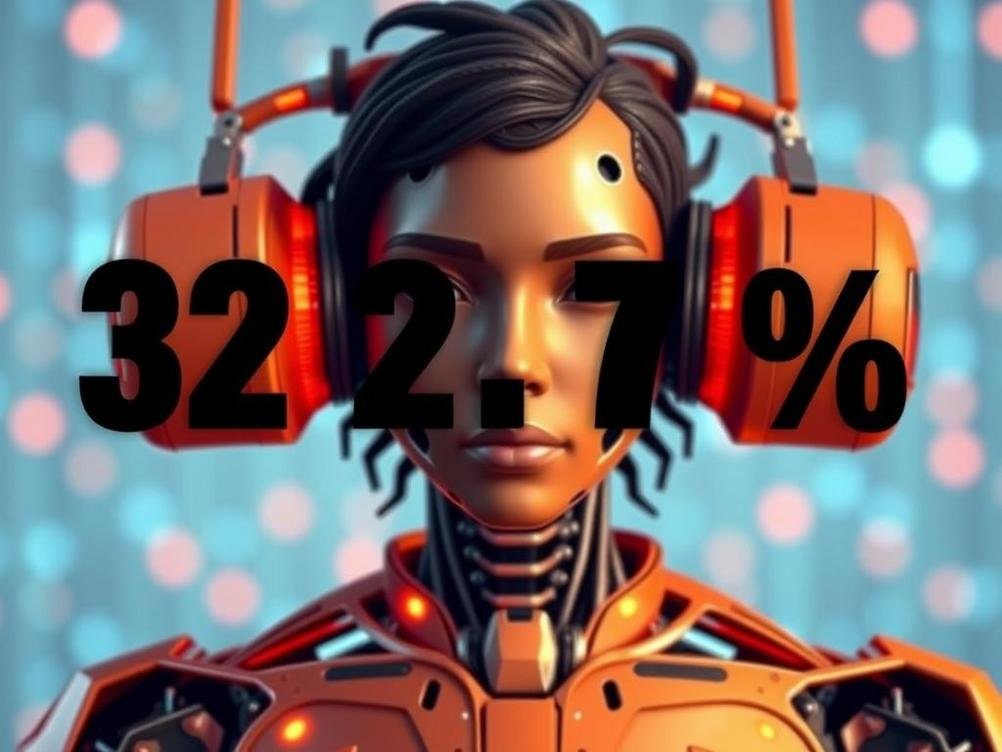
The Surprising Surge of Generative AI in the EU: Why 32.7% of People Are Jumping on Board in 2025
Imagine scrolling through your feed and seeing yet another AI-generated image that’s funnier than your best meme, or getting help from a chatbot that’s smarter than your average search engine. That’s the world we’re living in right now, especially in the EU, where a whopping 32.7% of folks are diving headfirst into generative AI tools. It’s like AI went from being that mysterious sci-fi thing to your everyday buddy for everything from writing emails to creating art. But why the sudden boom? Well, it’s 2025, and technology isn’t just advancing; it’s practically sprinting. We’re talking about tools that can whip up a poem, design a logo, or even suggest dinner ideas based on what’s in your fridge. If you’re not curious about this, you might be missing out on a game-changer that’s reshaping how we work, play, and think.
This stat isn’t just a number pulled from thin air—it’s a reflection of how everyday Europeans are embracing these tools to make life easier, more creative, and yes, a bit more fun. Think about it: back in the early 2020s, AI was mostly for tech geeks, but now? It’s everywhere, from students using it for homework to businesses streamlining operations. We’ve hit a point where generative AI isn’t just a trend; it’s becoming as essential as your smartphone. In this article, we’ll unpack what this 32.7% really means, dive into the cool perks, address the not-so-fun side effects, and look at how you can get in on the action. By the end, you might just find yourself firing up a tool like ChatGPT or DALL-E to see what all the fuss is about. Oh, and if you’re wondering, that’s ChatGPT—it’s one of the big players that’s helped fuel this explosion.
What is Generative AI and Why’s It Suddenly Everywhere?
Okay, let’s start with the basics because not everyone is a tech whiz. Generative AI is basically like a super-smart artist that creates new stuff from patterns it’s learned. Think of it as a digital magician that can generate text, images, music, or even code just by feeding it a prompt. For example, if you’re feeling lazy on a Friday night, you could ask it to write a short story about a cat that travels through time—poof, there it is! In the EU, this tech has exploded because it’s user-friendly and accessible. Remember when we’d spend hours editing photos? Now, tools like Midjourney can do it in seconds.
What’s funny is how quickly this has caught on. Back in 2023, only a handful of people were using these tools, but fast-forward to late 2025, and boom—32.7% of EU residents are giving it a go. That’s millions of people across countries like Germany, France, and Spain. Why? It’s not just about novelty; it’s solving real problems. Students are using it for brainstorming essays, marketers for quick content ideas, and even hobbyists for fun projects. If you’re still on the fence, picture this: generative AI is like having a personal assistant who’s always in a good mood and never needs coffee breaks.
- It’s powered by machine learning, which means it gets better the more it’s used—kind of like how you improve at cooking by trying new recipes.
- Popular tools include DALL-E for images and Grok by xAI for witty responses.
- The EU’s push for digital innovation, with initiatives like the AI Act, has made these tools safer and more appealing.
Diving into the 32.7% Stat: Who’s Using Generative AI and Why?
Alright, let’s break down that 32.7% figure because it’s more than just a percentage—it’s a snapshot of a changing society. According to recent surveys, this number comes from a mix of age groups, with younger folks under 35 leading the charge at around 45% adoption, while older generations are catching up at about 20%. It’s like watching grandparents finally get on Instagram; they’re skeptical at first but then they’re hooked. In countries like the Netherlands and Sweden, usage is even higher due to strong tech infrastructures, making it easier for people to access these tools without jumping through hoops.
What’s driving this? For many, it’s about efficiency. Imagine you’re a small business owner in Italy, swamped with emails—generative AI can draft responses in minutes. Or take artists in the UK who use it to generate ideas when they’re hit with creative block. The stat also highlights how AI is bridging gaps, like in education where 25% of users are students using tools for research. It’s not perfect, though; there’s still that learning curve, but once you get it, it’s like unlocking a new level in a video game.
- Demographics: Urban dwellers are twice as likely to use AI compared to rural areas, thanks to better internet access.
- Reasons for use: Entertainment tops the list at 40%, followed by productivity at 35%.
- Fun fact: In France, AI-generated content has even influenced fashion trends—think AI-designed patterns on clothing lines.
The Upsides: How Generative AI is Making Life Cooler in the EU
Let’s talk about the good stuff because who doesn’t love a win? Generative AI is like that friend who always has your back, helping with everything from mundane tasks to big creative leaps. In the EU, this 32.7% adoption has sparked innovation, boosting productivity in workplaces. For instance, a report from Eurostat shows that companies using AI have seen up to 15% efficiency gains. It’s not just about work; think about how it’s revolutionizing entertainment—AI can compose music that’s indistinguishable from human-made hits, giving aspiring musicians a leg up.
One hilarious example: I know a guy in Berlin who used AI to plan his vacation itinerary, and it suggested a ‘romantic dinner on a virtual volcano.’ Okay, maybe not practical, but it sparked some laughs and creativity. On a serious note, in healthcare, AI tools are assisting with personalized treatment plans, potentially saving lives. If you’re in marketing, platforms like Jasper AI can generate ad copy that’s engaging and tailored, helping small businesses compete with the big dogs.
- Boosts creativity: Writers use tools like Sudowrite to overcome writer’s block—it’s like having a co-author who’s always inspired.
- Saves time: A study from 2025 estimates users save an average of 5 hours a week on routine tasks.
- Economic impact: The EU economy could see a 7% growth boost from AI by 2030, according to projections.
The Flip Side: What Could Go Wrong with All This AI Hype?
Now, don’t get me wrong—generative AI is awesome, but it’s not all rainbows and unicorns. With 32.7% of EU people on board, there’s bound to be some bumps. For starters, there’s the risk of misinformation; AI can spit out ‘facts’ that are totally made up, like that time an AI tool claimed the moon is made of cheese. (Okay, exaggeration, but you get the point.) In the EU, regulators are scrambling to keep up, with concerns about privacy and job losses—think automation replacing roles in customer service.
It’s a bit like giving a kid a powerful toy without supervision; if not handled right, it could lead to ethical issues. For example, artists are worried about AI ‘stealing’ styles from their work, sparking lawsuits and debates. But hey, it’s not all doom and gloom—many are using it responsibly, and EU guidelines are helping. The key is balance; use AI as a tool, not a crutch.
- Ethical concerns: Bias in AI outputs can perpetuate stereotypes if not checked.
- Job market shifts: Estimates suggest 10-20% of routine jobs might evolve, pushing the need for reskilling.
- Real-world example: A French news outlet had to retract an AI-generated story that mixed up facts—lesson learned!
How to Get Started with Generative AI: Tips for EU Users
If you’re part of that 67.3% not yet on the AI train, don’t worry—it’s easier than you think to jump in. Start with free tools like Hugging Face, which offers models for everything from text generation to image creation. In the EU, you’ve got advantages like data protection laws, so you can experiment without major privacy worries. Picture this: you’re a teacher in Spain wanting to create customized lesson plans—AI can do that in a flash, making your job way less stressful.
The best part? It’s fun to learn. Begin with simple prompts and build up. I remember my first time; I asked an AI to describe a perfect day, and it gave me ideas I never thought of. For businesses, integrating AI can mean better customer insights, like analyzing trends from social media. Just remember, it’s a tool to enhance your skills, not replace them.
- Step one: Pick a tool and play around—start with basic queries to build confidence.
- Resources: Check out EU-funded platforms for AI education.
- Pro tip: Always fact-check AI outputs; it’s like double-checking your math homework.
What’s Next for Generative AI in the EU and Beyond?
Looking ahead, that 32.7% is just the tip of the iceberg. By 2026, we might see adoption skyrocket to 50% as AI gets even smarter and more integrated into daily life. The EU is investing heavily in AI research, with programs aiming to make it more sustainable and ethical. Imagine AI helping with climate change solutions, like generating models for renewable energy—talk about a game-changer.
Of course, there are questions: Will AI make us lazier, or will it free us up for more meaningful work? Only time will tell, but it’s exciting. In countries like Estonia, they’re already using AI for government services, which could inspire others. If you’re in the EU, keep an eye on developments; it’s a wild ride.
- Future trends: More personalized AI experiences, tailored to individual users.
- Potential growth: Analysts predict a 20% increase in AI-related jobs by 2027.
- Humorous take: Maybe soon AI will write these blog posts, but let’s hope it keeps the human touch!
Conclusion
In wrapping this up, the 32.7% adoption of generative AI in the EU is a clear sign that we’re on the brink of something transformative. It’s not just about the tech; it’s about how it’s weaving into our lives, making things more efficient, creative, and yes, a little unpredictable. We’ve covered the basics, the benefits, the risks, and how to dive in—hopefully, you’ve got some ideas buzzing now. As we move forward, let’s embrace AI with a mix of excitement and caution, ensuring it enhances our humanity rather than overshadowing it. Who knows? By next year, you might be part of that growing percentage, creating your own AI masterpieces. Time to give it a try!