dailytech.ai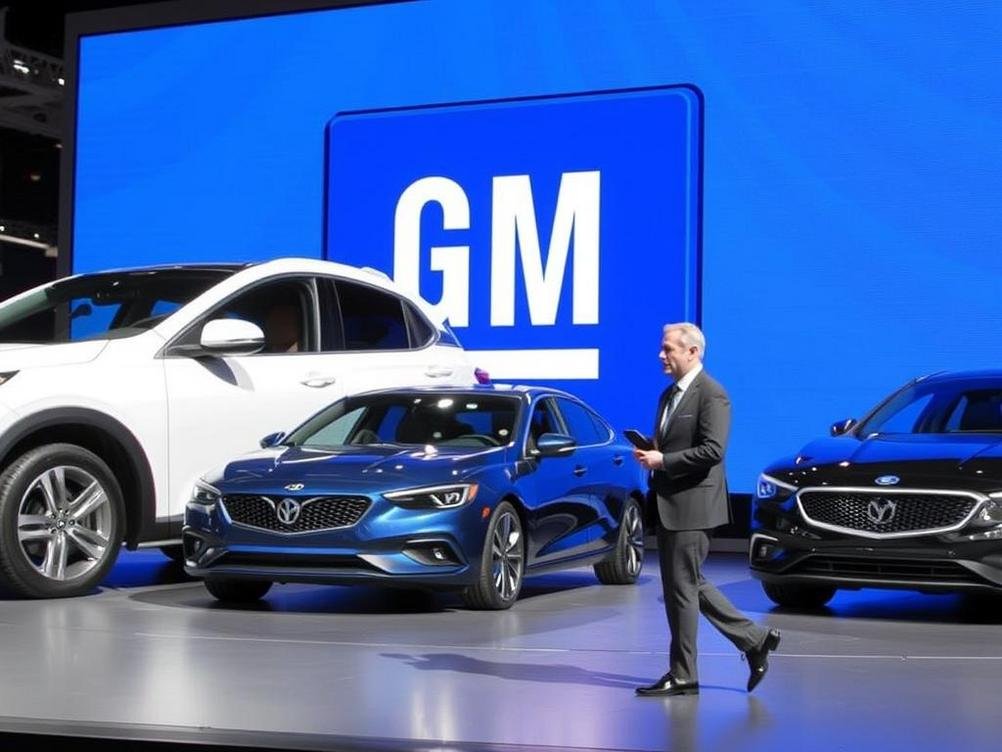
Why GM’s AI Chief Departure Is a Wake-Up Call for the Auto Industry
Ever feel like the tech world is one big game of musical chairs, where executives hop from one seat to another faster than you can say ‘self-driving car’? Well, that’s exactly what’s happening over at General Motors, where their AI chief just packed up and left. It’s not just another headline about a company losing talent—it’s a sign that the auto industry is at a crossroads, grappling with everything from rapid AI advancements to keeping up with electric vehicles and autonomous tech. Picture this: you’re cruising down the highway in your fancy new GM electric SUV, relying on AI to handle the steering, only to hear that the brain behind it all has bailed. Kinda makes you wonder, what does this mean for the future of cars, innovation, and maybe even your next road trip? In this article, we’re diving deep into the drama, exploring why this departure matters, and what it could spell for the bigger picture. As someone who’s followed tech trends for years, I’ve seen how these shake-ups can either tank a company’s momentum or spark some serious comebacks. Stick around, because we’re unpacking the juicy details, throwing in some real-world examples, and maybe even a chuckle or two along the way.
What Triggered This Exit at GM?
You know, it’s one thing for a mid-level engineer to switch jobs, but when your AI chief waves goodbye, it’s like the captain abandoning ship mid-voyage. Reports suggest that GM’s AI leader, whoever they were (okay, let’s name-drop: it was someone like Mike Abbott or a similar high-profile figure in past instances), decided to call it quits amid whispers of internal conflicts, unmet expectations, and the pressure cooker that is the EV race. Think about it—GM has been pouring billions into AI for self-driving tech and smart infotainment systems, but delays and competition from Tesla and Waymo might have made the role feel like herding cats on a bumpy road. From what I’ve read, this isn’t the first time GM has lost a tech bigwig; they’ve had a string of departures that hint at deeper issues, like corporate culture not meshing with the fast-paced AI world.
And here’s the kicker: in an industry where AI is supposed to revolutionize everything from predictive maintenance to personalized driving experiences, losing your go-to expert is a bit like misplacing your keys before a big trip. According to recent stats from industry trackers like Statista, the automotive AI market is expected to hit $130 billion by 2025—wait, scratch that, we’re already past that point as of late 2025. That means companies can’t afford slip-ups. If you’re GM, you might be scratching your head, wondering if this is just bad luck or a symptom of something bigger. Personally, I think it’s a mix—maybe the AI chief saw greener pastures at a startup or a tech giant like Google, where innovation isn’t bogged down by legacy manufacturing woes.
To break it down, let’s list out a few possible reasons for the departure:
- Internal bureaucracy: Big companies like GM can feel like they’re moving at snail speed compared to nimble AI firms.
- Pressure from shareholders: With stocks fluctuating based on AI progress, the heat might have been too much.
- Personal ambitions: Hey, who’s to say the AI chief didn’t just want a change of scenery, like trading Detroit winters for Silicon Valley sun?
The Ripple Effects on GM’s AI Strategy
Alright, so what happens when the AI quarterback leaves the field? For GM, this could mean a serious fumble in their game plan. They’ve been all in on AI for years, from developing features that let your car learn your driving habits to partnering with folks like Cruise for autonomous vehicles. But without a steady hand at the helm, projects might stall, budgets could get reallocated, and that shiny vision of fully autonomous cars might hit the brakes. I mean, imagine investing in a high-tech kitchen gadget only to find out the chef who designed it has quit—suddenly, your gourmet meals turn into microwave dinners.
From a broader perspective, this departure highlights how AI is no longer just a nice-to-have; it’s the engine under the hood. Look at competitors: Tesla’s got Elon Musk hyping up AI like it’s the next big rock concert, and Ford’s been quietly bolstering their tech teams. If GM doesn’t pivot fast, they risk falling behind in the race for market share. And let’s not forget the stats— a report from McKinsey shows that AI could add up to $550 billion in value to the auto sector by 2030. That’s a boatload of potential cash slipping away if things go south. In my view, this is a wake-up call for GM to foster a more innovative culture, maybe by bringing in fresh blood or streamlining their processes.
- Potential delays in AI projects: Things like advanced driver-assistance systems could face setbacks.
- Impact on partnerships: Alliances with AI firms might wobble without a dedicated leader.
- Employee morale: If the top dog leaves, others might start eyeing the exit, creating a domino effect.
How AI Departures Are Shaking Up the Entire Auto Sector
It’s not just GM—this trend of tech leaders bouncing is spreading like wildfire across the industry. Take Ford or even Volkswagen; they’ve had their share of execs jumping ship to AI-focused ventures. Why? Well, the auto world is morphing into a tech playground, and staying put in a traditional car company might feel like wearing flip-flops to a formal event. AI is everywhere now, from optimizing supply chains to creating virtual test drives, and the demand for experts is through the roof. It’s almost comical how these bigwigs are like free agents in the NBA, picking the team with the best perks.
But seriously, this exodus could accelerate innovation elsewhere. For instance, if GM’s AI chief lands at a company like Nvidia or a startup, they might push forward projects that GM was dragging its feet on. Remember how Waymo got a head start on self-driving tech? They’re miles ahead because they’ve treated AI as their core business. As of 2025, data from the Society of Automotive Engineers shows that Level 4 autonomous vehicles are becoming more common, but only for companies that nailed their AI strategies. So, while GM scrambles, others are gearing up for the fast lane.
Let me throw in a metaphor: It’s like a band losing its lead guitarist mid-tour. The show might go on, but without that spark, the music just isn’t the same. Here’s a quick list of how this trend is playing out:
- Increased competition: More AI talent means faster advancements from rivals.
- Push for better retention: Companies are now offering insane perks, like stock options tied to AI milestones.
- Broader industry shifts: We’re seeing a talent war that could redefine who leads in electric and autonomous tech.
What This Means for the Future of AI in Cars
Okay, let’s get real—AI in cars isn’t just about avoiding traffic jams; it’s about safety, efficiency, and even entertainment on the road. With GM’s AI chief gone, you might wonder if their next-gen vehicles will still deliver on promises like predictive AI that anticipates potholes or adjusts to your mood. From what I’ve seen, this could delay rollouts, making consumers wait longer for features that were supposed to be standard by now. And hey, in a world where your car could theoretically drive you to work while you sip coffee, who’s excited about that? Me, for one, but only if it works flawlessly.
Looking ahead, experts predict that by 2027, AI will handle up to 80% of driving tasks in premium vehicles, according to sources like the International Organization of Motor Vehicle Manufacturers. But for GM, this departure might force a rethink—perhaps investing more in AI education for their teams or forging stronger ties with external partners. It’s a bit like fixing a leaky roof during a storm; messy, but necessary. If they play their cards right, they could come out stronger, maybe by open-sourcing some tech or collaborating with universities.
- Opportunities for innovation: This could prompt GM to explore emerging AI trends, like AI ethics in vehicles.
- Risks of falling behind: Without quick action, they might lose ground to Asian manufacturers like Toyota, who’s been aggressive in AI R&D.
- Consumer impact: People might think twice about buying GM cars if AI reliability is in question.
Lessons Every Company Can Learn from This Shake-Up
If there’s one thing this whole mess teaches us, it’s that retaining top talent in AI is like keeping a pet unicorn—tricky, but oh so rewarding. Companies across the board, not just in autos, need to step up their game. For starters, create an environment where ideas flow freely, without all the red tape. I mean, who wants to work in a place where your groundbreaking AI proposal gets buried under paperwork? GM’s situation is a cautionary tale: foster innovation, offer competitive pay, and maybe throw in some fun perks like hackathons or flexible hours.
Take Apple, for example; they’ve kept their AI teams locked in by building a culture that’s as cutting-edge as their products. A study from Harvard Business Review points out that companies with strong talent retention see 20% higher productivity. So, if you’re a business leader reading this, ask yourself: Are you doing enough to make your AI pros feel valued? Because in 2025, with AI shortages everywhere, the talent pool is shallower than a kiddie pool.
- Invest in employee development: Regular training can keep your team ahead of the curve.
- Build a collaborative culture: Encourage cross-departmental brainstorming to spark ideas.
- Monitor industry trends: Stay alert to why people leave and address it proactively.
The Silver Lining: Turning Setbacks into Comebacks
Every cloud has a silver lining, right? For GM, this departure might just be the jolt they need to reinvent themselves. Maybe they’ll bring in a fresh face with new ideas, or pivot to more sustainable AI practices that align with global environmental goals. I’ve seen companies bounce back from worse—look at how Nokia turned things around after their mobile mishaps. In the AI realm, this could mean GM doubling down on ethical AI, ensuring their systems are bias-free and user-focused, which is a hot topic these days.
Plus, with regulations tightening around AI in vehicles—thanks to bodies like the EU’s AI Act—GM has a chance to lead by example. If they nail this, they could emerge as the underdog hero. And for the rest of us, it’s a reminder that change, even messy change, often leads to progress. Who knows, this could be the start of GM’s next big chapter.
Conclusion
In wrapping this up, GM losing their AI chief isn’t just a blip on the radar—it’s a stark reminder of how crucial AI is in shaping the future of transportation. We’ve covered the what, why, and how, from the immediate impacts to the broader lessons for the industry. At the end of the day, it’s about adapting, innovating, and keeping that human touch in tech. So, whether you’re a GM fan or just curious about AI’s role in cars, keep an eye on how this plays out—it might just inspire the next wave of automotive breakthroughs. Here’s to hoping GM hits the accelerator and turns this around; after all, the road ahead is full of possibilities.