dailytech.ai
Is Google About to Rock the AI Chip World with Deals for Meta? Nvidia and AMD Feel the Squeeze
Picture this: you’re at a high-stakes poker game, and Google just slid a shiny new chip across the table to Meta, while Nvidia and AMD are suddenly sweating bullets. Yeah, that’s basically what’s going down in the wild world of AI hardware right now. Rumors are swirling that Google is in deep talks to sell its cutting-edge AI chips to Meta, the folks behind Facebook and all those addictive apps. This isn’t just business as usual—it’s like watching a tech titan arm another one with better weapons, potentially shaking up the entire industry. And hey, if you’re into stocks or tech news, you’ve probably noticed Nvidia and AMD stocks taking a nosedive. Why? Because if Google starts playing ball with Meta, it could mean less reliance on those big names for AI processing power. Let’s dive into this mess and see what it all means for us everyday folks who just want our apps to run faster and our AI to be smarter.
Honestly, I’ve been following AI developments for years, and this feels like a plot twist in a sci-fi movie. Google has been quietly building its own AI chips, like the TPU (Tensor Processing Units), which are basically supercharged brains for machine learning tasks. If they team up with Meta, it could turbocharge everything from social media algorithms to VR experiences. Imagine scrolling through your feed and getting recommendations that feel almost psychic—that’s the kind of edge we’re talking about. But here’s the kicker: this move might not just be about sharing tech; it’s a strategic play that could redefine who calls the shots in AI. As someone who’s geeked out over this stuff, I can’t help but wonder, what does this mean for innovation? Will it lead to cheaper AI tools for everyone, or just more corporate giants flexing their muscles? We’ll unpack all that and more, because let’s face it, the AI race isn’t slowing down anytime soon. Stick around, and I’ll break it down in a way that doesn’t make your eyes glaze over.
The Inside Scoop on Google’s AI Chips and Meta’s Interest
Okay, so Google’s been toying with AI chips for a while now, and they’re no joke. These aren’t your average processors; we’re talking about specialized hardware designed to handle the massive data-crunching needs of AI models. Think of it like upgrading from a beat-up old bike to a sleek electric motorcycle—suddenly, everything’s faster and more efficient. Reports suggest Google is negotiating to offer these chips to Meta, which is huge because Meta has been scarfing up AI resources left and right to power its metaverse dreams and ad-targeting wizardry. If this deal goes through, Meta could ditch some of its dependency on Nvidia’s GPUs or AMD’s offerings, which have been the go-to for years.
From what I’ve read on sites like Reuters, this chatter started picking up steam recently, with insiders hinting at serious discussions. It’s not just about selling hardware; it’s about ecosystems. Google could bundle in software support, making it a one-stop shop for AI needs. And let’s not forget, Meta’s been burning through cash on AI research, so getting a deal on custom chips could save them a bundle. But here’s a fun thought: if you’re a developer, this might mean more accessible tools down the line, like easier ways to train models without breaking the bank.
To put it in perspective, here’s a quick list of why Google’s chips stand out:
- They’re optimized for machine learning, which means they handle complex tasks like image recognition or natural language processing way faster than general-purpose chips.
- Energy efficiency is a big win—Google’s TPUs use less power, which is great for data centers trying to go green.
- Integration with Google’s cloud services could make it a seamless fit for companies already in that ecosystem.
It’s like Google is saying, ‘Hey, why settle for off-the-shelf when you can have something tailor-made?’
How This Shakes Up the Big Tech Landscape
You know how in sports, when one team signs a star player, it throws the whole league into chaos? That’s what’s happening here with Google and Meta. If Meta gets its hands on Google’s AI chips, it could level up its competition against the likes of Apple or Microsoft in the AI arms race. Meta’s been pushing hard into AI for things like improving user experiences on Instagram or developing the next big metaverse feature. With Google’s tech, they might accelerate that timeline, making their platforms even more addictive—or helpful, depending on how you look at it.
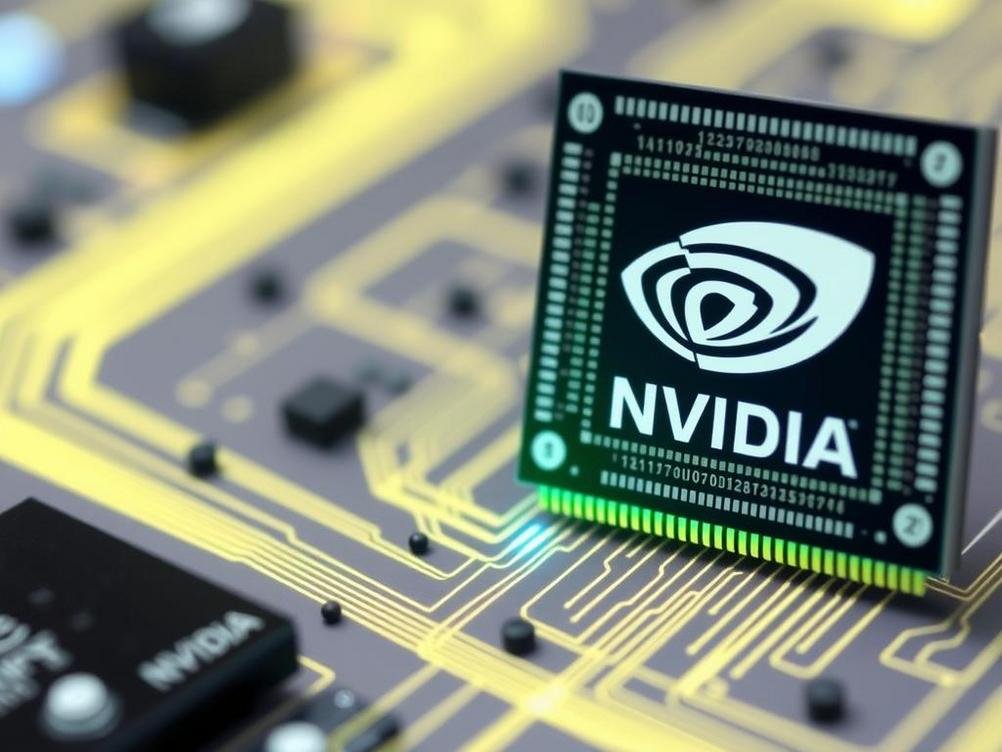
But let’s not gloss over the ripple effects. Other tech giants might start scrambling to protect their turf. For instance, if Meta reduces its reliance on Nvidia, that could mean less demand for Nvidia’s high-end GPUs, which are basically the Ferraris of the AI world. I’ve seen stats from Statista showing that Nvidia controls a whopping 80-90% of the AI chip market for data centers. Ouch. So, if Google’s move cuts into that, it’s like a plot twist that could force Nvidia to innovate or risk losing ground.
Here’s a simple breakdown of potential winners and losers:
- Winners: Meta could save money and speed up development, while Google racks up new revenue streams.
- Losers: Nvidia and AMD might see stock dips, as we’ve already witnessed, pushing them to double down on R&D.
- Neutral players: Us, the consumers, who might benefit from faster AI tech but could also face privacy concerns if things get too intertwined.
It’s all about who adapts quickest in this fast-paced game.
Why Nvidia and AMD Stocks Are Taking a Beating
Alright, let’s talk about the drama: Nvidia and AMD stocks plummeting faster than a bad idea at a board meeting. The news of Google’s potential deal with Meta hit Wall Street like a ton of bricks, mainly because investors freaked out about losing market share. Nvidia, in particular, has been riding high on its AI dominance, but if Google starts undercutting them with custom chips, it’s like watching your favorite team’s star quarterback get benched. Recent reports show Nvidia’s stock dropped by around 5% in a single day after the rumors surfaced, and AMD wasn’t far behind with a 3-4% dip.
From my perspective, this isn’t just short-term jitters; it’s a sign of broader shifts in the industry. According to data from Yahoo Finance, AI chip demand is exploding, projected to hit $100 billion by 2027. If Google siphons off even a chunk of that to Meta, it could force Nvidia and AMD to slash prices or rush out new products. Imagine being in their shoes—one minute you’re the king of the hill, and the next, Google’s crashing the party with its own tech.
To illustrate, let’s compare it to the smartphone wars: Apple makes its own chips for iPhones, giving them an edge over competitors who buy from third parties. If Meta does something similar with Google’s help, it could reshape how we think about AI hardware. Key factors include supply chain issues, which have already plagued the industry, and the push for more sustainable tech—Google’s chips are reportedly more eco-friendly, which might appeal to greener companies.
The Potential Perks for AI Users and Developers
Here’s where it gets exciting—for the rest of us. If Google’s AI chips land in Meta’s lap, it could mean faster, more efficient AI applications that make our lives easier. Think about it: better virtual assistants, quicker photo edits on Instagram, or even more immersive VR worlds. As a tech enthusiast, I’ve tinkered with AI tools, and let me tell you, speed matters. A deal like this might lead to widespread adoption, dropping costs for developers who rely on cloud-based AI services.
For example, if Meta integrates these chips, we could see advancements in things like content recommendation algorithms. That’s not just nerdy stuff—it’s everyday magic that helps you discover new music or friends. Plus, with Google’s expertise, there might be more open-source opportunities, like sharing code on platforms such as GitHub. It’s like handing out free tools at a workshop; everyone benefits in the long run.
But to keep it real, here’s what developers should watch for:
- Cost savings: Cheaper access to high-performance computing could lower barriers for small startups.
- Innovation boosts: Faster processing might lead to breakthroughs in fields like healthcare AI or autonomous driving.
- Compatibility challenges: Not everything plays nice together, so there could be some hiccups in software integration.
It’s a double-edged sword, but the potential is there for some cool advancements.
Risks and Roadblocks in the AI Chip Race
Don’t get me wrong, this sounds like a win-win, but every shiny opportunity has its potholes. For starters, regulatory hurdles could throw a wrench into Google and Meta’s plans. We’ve all heard about antitrust concerns, especially with big tech merging resources—remember how the EU fined Google for monopolistic practices? If this deal goes through, watchdogs might step in, arguing it stifles competition. From a humorous angle, it’s like two elephants trying to share a small room without trampling the furniture.
Then there’s the tech side: What if Google’s chips aren’t as plug-and-play as promised? Integration issues could lead to delays, frustrating developers and users alike. I’ve read reports from Wired about how AI hardware can be finicky, with compatibility problems popping up unexpectedly. And let’s not forget security risks—more interconnected AI means more potential for hacks, which is a nightmare in an era of data breaches.
To break it down, potential pitfalls include:
- Market volatility: Stock drops for Nvidia and AMD could signal broader economic impacts.
- Intellectual property fights: Companies might sue over chip designs, dragging things out in courts.
- Ethical concerns: As AI gets more powerful, questions about bias and privacy loom large.
It’s a reminder that progress isn’t always smooth sailing.
Conclusion
Wrapping this up, the talks between Google and Meta over AI chips are more than just business chatter—they’re a glimpse into the future of tech, where innovation and competition drive everything forward. We’ve seen how this could shake up the market, benefit users, and even stir up some drama for Nvidia and AMD. It’s exciting to think about the possibilities, like faster AI that makes our digital lives a breeze, but we also have to keep an eye on the risks to ensure it doesn’t turn into a free-for-all.
As we move into 2025 and beyond, my advice is to stay curious and informed. Whether you’re a tech pro or just someone who loves scrolling through feeds, keeping up with these developments can help you navigate the changes. Who knows? This could be the spark that leads to even more groundbreaking AI advancements. Let’s raise a virtual glass to the chaos—may the best chip win!