dailytech.ai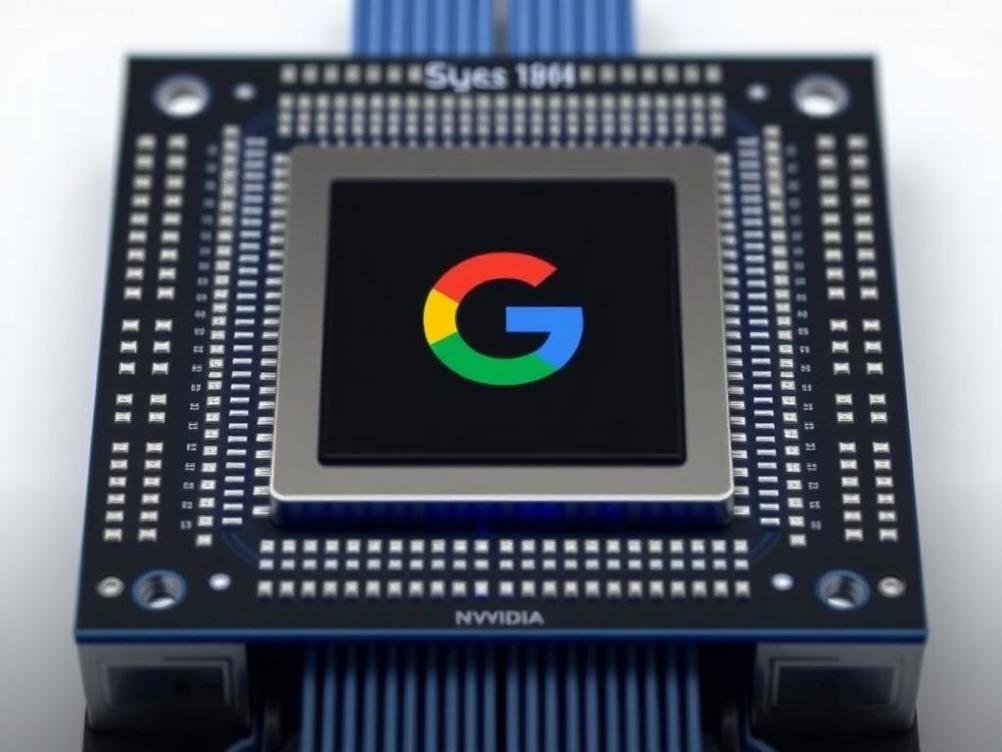
Is Google’s New AI Chip About to Shake Up Nvidia’s Empire?
Ever feel like you’re watching a blockbuster movie where the underdog suddenly decides to crash the party? That’s kinda what it feels like with Google’s latest move into the AI chip world, especially when Nvidia has been strutting around like the king of the hill for years. Picture this: Nvidia’s chips have been the go-to heroes for everything from gaming graphics to powering massive AI models, making them a tech giant in their own right. But now, Google’s throwing its hat in the ring with a new AI chip push, and it’s got people buzzing. Is this just Google flexing its muscles, or is it a real threat to Nvidia’s dominance? I mean, think about it— in a world where AI is everywhere, from your phone’s smart assistant to self-driving cars, who’s got the better tech could change the game entirely. We’re talking faster processing, cheaper options, and maybe even more accessible tools for everyday folks. It’s exciting, a bit scary, and definitely worth diving into because, let’s face it, the future of tech might just hinge on this rivalry. So, grab a coffee, settle in, and let’s unpack what Google’s up to and why it could mean big things for you and me.
What’s the Deal with Google’s AI Chip Offensive?
You know how sometimes a company just decides it’s tired of playing second fiddle and goes all in? That’s Google right now with their new AI chips. They’re calling it a push into custom silicon, basically chips designed from the ground up to handle AI workloads more efficiently than the stuff we’ve got now. It’s not like Google woke up yesterday and thought, ‘Hey, let’s mess with Nvidia.’ They’ve been tinkering with this for a while, especially with their Tensor Processing Units (TPUs) that power things like Google Search and their AI experiments. But this feels different—it’s more aggressive, like they’re saying, ‘We can do this better and cheaper.’ Imagine if your laptop suddenly ran circles around what you’re using now without draining the battery; that’s the vibe they’re aiming for.
What’s cool is that Google’s chips are optimized for their own ecosystem, which means they play nice with stuff like Google Cloud and Android. But here’s the fun part: if this works, it could lower the barriers for smaller businesses or even hobbyists who want to dabble in AI without breaking the bank. Nvidia’s chips are powerhouse beasts, no doubt, but they’re pricey, and not everyone can afford that. Google might be tipping the scales by making AI more democratic. Of course, it’s not all roses—there could be compatibility issues if you’re locked into Nvidia’s world, but hey, competition often leads to innovation, right? It’s like when streaming services started popping up and suddenly Netflix had to step up its game.
- First off, Google’s chips focus on energy efficiency, which is a big win for data centers chugging along on massive power bills.
- Then there’s the speed factor; these chips are built for parallel processing, perfect for training those hungry AI models that Nvidia’s GPUs handle so well.
- And don’t forget integration—Google’s stuff might just plug right into their services, making life easier for developers.
Nvidia’s Dominance: How Did We Get Here Anyway?
Let’s rewind a bit because Nvidia didn’t just stumble into being the AI chip champ. It’s been building this empire for decades, starting with graphics cards that made video games look insanely realistic. Fast forward, and those same chips became the backbone for AI because, well, crunching numbers for fancy visuals isn’t that different from training neural networks. Nvidia’s CUDA platform? That’s their secret sauce, letting developers easily program these chips for all sorts of AI tasks. It’s like Nvidia handed out the keys to a sports car and said, ‘Go wild.’ But now, with Google encroaching, you can’t help but wonder if the party’s about to change hosts.
What makes Nvidia so sticky is their ecosystem—partners, software, and a community that’s huge. If you’re a data scientist, you’re probably already fluent in Nvidia tools. It’s comfortable, reliable, but maybe a tad overpriced for what some folks need. I’ve heard stories from friends in tech who say switching away from Nvidia feels like ditching your favorite coffee shop; it’s possible, but why bother if it’s working? Still, Google’s entry could force Nvidia to innovate more, which might trickle down to us with better, faster products. Isn’t that how tech evolves? One company pushes, another shoves back, and we all win in the end.
- Nvidia’s early bet on AI paid off big, with chips that handle complex computations like a pro.
- They’ve got a lock on the gaming market, which funds their R&D for AI.
- But reliance on high-end hardware might leave room for Google’s more specialized, cost-effective alternatives.
How Do Google’s Chips Stack Up Against Nvidia’s Behemoths?
Alright, let’s get to the nitty-gritty: comparisons. Google’s new AI chips, particularly their TPUs, are designed for specific tasks like machine learning inference, which is basically when AI makes decisions in real-time. Nvidia’s GPUs are more general-purpose, meaning they’re jacks-of-all-trades but maybe not as pinpoint accurate for certain jobs. It’s like comparing a Swiss Army knife to a laser-focused tool; both useful, but one might be overkill. From what I’ve read, Google’s chips could offer better performance per watt, which is a game-changer for anyone worried about energy costs or environmental impact. And in 2025, with climate change on everyone’s mind, that’s not just smart—it’s savvy.
Take a real-world example: Say you’re running a startup that uses AI for personalized recommendations, like on a shopping site. Nvidia’s chips might handle it, but Google’s could do it cheaper and greener. I remember chatting with a buddy who works at a tech firm; he said their bills dropped when they tested Google’s cloud services. But it’s not all sunshine—Nvidia still reigns in areas like high-performance computing for research. If you’re simulating protein folds for drug discovery, Nvidia’s your go-to. Still, this push from Google might inspire hybrids or new standards, making the whole field more dynamic. Who knows, maybe we’ll see partnerships down the line?
- Google’s TPUs excel in AI training for large datasets, potentially cutting costs by 30-50% based on recent benchmarks.
- Nvidia offers broader compatibility, which is a plus for diverse projects.
- Early tests show Google’s chips might reduce latency in AI applications, speeding up everything from chatbots to autonomous systems.
The Ripple Effects: What This Means for the AI World
This isn’t just a two-company tussle; it’s got waves crashing across the entire AI landscape. If Google succeeds, we might see a shift towards more open-source alternatives or at least more competition, which could drive prices down. Imagine AI becoming as accessible as smartphones—everyone from schools to small businesses could jump in. But on the flip side, it could fragment the market, making it harder to pick the right tools. It’s like the early days of smartphones when Android and iOS were duking it out; confusion at first, but eventually, innovation for all.
Think about industries like healthcare, where AI is diagnosing diseases faster than ever. If Google’s chips make that more efficient, that’s lives potentially saved. Or in entertainment, where AI generates scripts or effects—Nvidia’s been key there, but Google could mix things up. From what I’ve seen in recent tech reports, the AI chip market is projected to grow to over $50 billion by 2026, so stakes are high. It’s exciting, but also a reminder that with great power comes great responsibility—ensuring these chips are secure and ethical.
Pros and Cons: Who Benefits and Who Might Lose Out?
Let’s break it down simply: the pros of Google’s push include potentially lower costs and better integration for cloud users, which could democratize AI. For everyday folks, that might mean smarter devices that don’t cost an arm and a leg. On the con side, if Nvidia feels the pinch, they might raise prices or limit features, affecting loyal users. It’s like when a new streaming service enters and the old ones hike up subscriptions—annoying, right? But humorously, maybe this will lead to better deals, like a tech Black Friday every year.
From a user’s perspective, if you’re into gaming or creative work, Nvidia’s still got the edge with their RTX tech. However, for AI enthusiasts, Google’s offerings could be a breath of fresh air. I once tried setting up an AI project on a budget, and let me tell you, the costs added up quick with Nvidia. Google’s approach might change that, making it less of a barrier. Overall, it’s about choice—more options mean you pick what fits your needs.
- Pros: Cost savings, energy efficiency, and easier access for newcomers.
- Cons: Potential compatibility issues and a learning curve for switching systems.
- Biggest winner: Consumers who get better tech at lower prices.
Looking Ahead: What’s Next in This AI Chip Saga?
As we wrap up this ride, it’s clear this isn’t the end—it’s just the beginning. Google and Nvidia are both pouring billions into R&D, so expect faster chips, smarter software, and maybe even quantum integrations down the line. It’s wild to think about how this could evolve; perhaps we’ll see collaborations or even regulatory involvement to keep things fair. After all, in a world obsessed with AI, who’s controlling the hardware controls the narrative.
One thing’s for sure: as consumers, we’ve got front-row seats. Keep an eye on developments; sites like nvidia.com or cloud.google.com for updates. Who knows, by next year, your phone might be running AI tasks that feel straight out of sci-fi.
Conclusion
In the end, Google’s encroachment on Nvidia’s turf is a thrilling plot twist in the AI story, pushing for innovation and shaking up the status quo. We’ve seen how this could make AI more accessible, spark competition, and ultimately benefit us all with better tech. But it’s also a reminder to stay informed and adaptable in this fast-paced world. So, whether you’re team Google or team Nvidia, let’s cheer for the advancements that make our lives easier and more connected. Here’s to the future—may it be as exciting as this rivalry promises!