dailytech.ai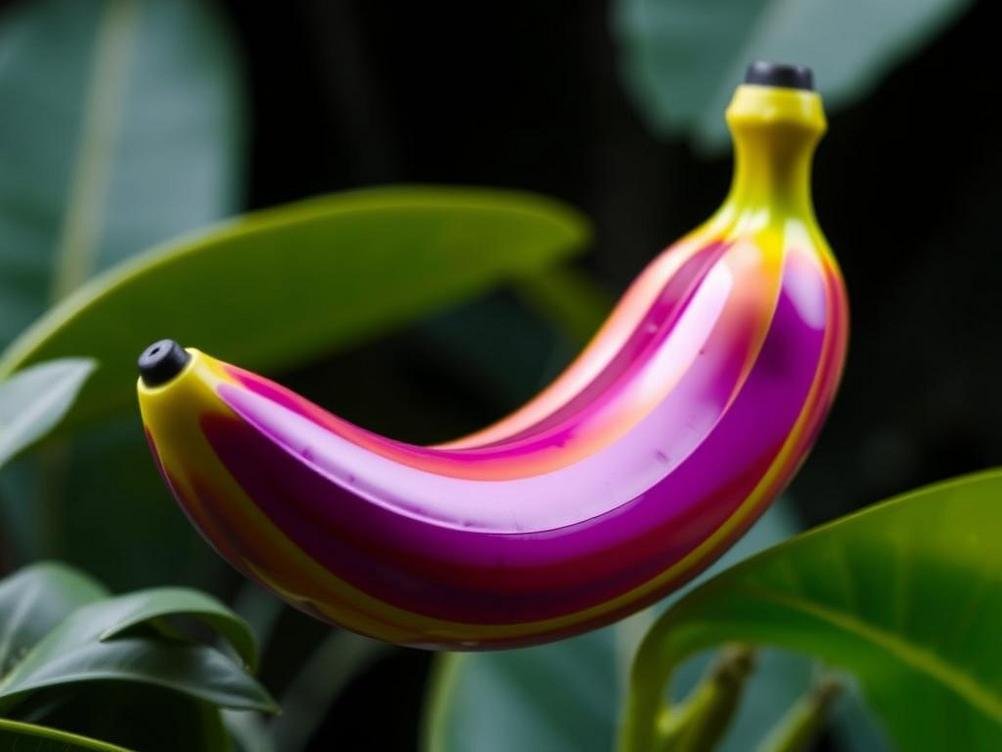
Why Google’s Nano Banana Pro Is Shaking Up AI Image Generation – And Why We Should All Pay Attention
Imagine scrolling through your social media feed and stumbling upon a photo that looks so real it could fool your grandma – but it’s actually cooked up by a machine. That’s the buzz around Google’s Nano Banana Pro, this new AI tool that’s got everyone from tech geeks to worried parents raising eyebrows. We’re talking about AI that can whip up hyper-realistic images faster than you can say ‘banana split.’ Picture this: It could generate a picture of a flying elephant sipping coffee or a celebrity in a wild outfit, all in seconds. But hey, while it’s cool on the surface, it’s sparking some serious debates about fake news, privacy, and whether we’re heading towards a world where we can’t trust our own eyes. As someone who’s knee-deep in the AI world, I’ve seen how these tools evolve, and let me tell you, Google’s latest isn’t just another gadget – it’s a game-changer that might make us rethink everything from memes to misinformation.
This whole thing got me thinking: What if AI images become so good that they blur the line between reality and fiction? We’re already dealing with deepfakes in politics and celebrity scandals, and now Google’s Nano Banana Pro is amping up the ante with its advanced algorithms. From artists fretting about job security to regulators scrambling for rules, it’s a hot topic. In this article, I’ll break it down for you – the good, the bad, and the downright hilarious – based on what’s floating around in the tech sphere. Stick around, because by the end, you might just see why this is more than just another AI headline; it’s a peek into our digital future.
What Exactly is Google’s Nano Banana Pro?
Okay, let’s start with the basics because I know not everyone’s a tech wizard like me. Google’s Nano Banana Pro is this slick AI model that’s part of their bigger push into generative tech. Think of it as an upgraded version of tools like DALL-E or Midjourney, but with Google’s twist – it’s faster, smarter, and apparently obsessed with making things look insanely real. The name ‘Nano Banana’ sounds a bit goofy, right? Maybe it’s a nod to something small yet powerful, like those tiny bananas you find in fruit salads that pack a punch. From what I’ve gathered, it uses advanced machine learning to analyze massive datasets and spit out images that could pass for photos taken with a high-end camera.
What’s really under the hood? It’s all about neural networks that learn from billions of images online. You feed it a prompt, say ‘a futuristic city on Mars,’ and bam – it generates something that looks like it was snapped by a rover. But here’s the fun part: It’s not perfect. I’ve seen some early demos where it hilariously mixes up details, like turning a cat into a dog with extra legs. Still, the core tech is impressive, drawing from Google’s vast resources, including stuff from their AI research arm. If you’re into creating art or just messing around, this could be a playground, but it’s also why folks are getting nervous about its potential misuse.
To give you a quick rundown, here’s how it stacks up against other AI image generators:
- It processes images in nanoseconds, hence the ‘nano’ – way quicker than older models.
- It uses ethical data filters, at least on paper, to avoid biased outputs, but let’s be real, that’s easier said than done.
- It’s integrated with Google’s ecosystem, so if you’re already in the Google world, it’s a seamless add-on for tools like Google Photos or even Docs.
The Alarming Concerns Over Realistic AI Images
You know that feeling when something seems too good to be true? That’s exactly what’s happening with Nano Banana Pro. People are freaking out because these images are so lifelike that they could be used for all sorts of shady stuff, like spreading fake news or manipulating elections. I mean, imagine a doctored image of a world leader doing something ridiculous going viral – it could sway public opinion faster than a cat video. Experts are warning that without proper checks, this tech could erode trust in visual media, making us question every photo we see.
What’s fueling the fire is how accessible this is. Google’s making it user-friendly, so even your tech-averse uncle could generate convincing fakes. And let’s not forget the privacy angle – if AI can create images from public data, who’s to say it won’t pull from your vacation pics without permission? It’s like having a genie that grants wishes but might steal your secrets in return. I’ve read reports from organizations like the Electronic Frontier Foundation highlighting how this could amplify misinformation, especially in a world already drowning in fake content.
For a bit of perspective, think about recent events. During the last election cycle, deepfakes were a big issue, and tools like Nano Banana Pro could take that to the next level. Here’s a simple list of potential risks:
- Misinformation campaigns that use AI-generated images to deceive people.
- Damage to personal reputations through fabricated photos.
- Overloading social platforms with fake content, making it harder to spot the real stuff.
How Nano Banana Pro Actually Works – And Why It’s Kind of Mind-Blowing
Dive a little deeper, and you’ll see why this tech is turning heads. At its heart, Nano Banana Pro relies on diffusion models and generative adversarial networks (GANs) that Google’s been tweaking for years. It’s like teaching a kid to draw by showing them a million pictures – eventually, they get really good at mimicking styles. But with AI, it’s on steroids. You give it a text description, and it breaks it down into pixels, refining the image layer by layer until it’s polished.
What’s cool (and a tad scary) is how it learns from real-world data. For instance, it might analyze images from sources like Flickr or even Google’s own image libraries to understand things like lighting, textures, and emotions. I remember trying out similar tools and being amazed when it nailed a sunset scene I described – but then it added a random UFO, which had me laughing for minutes. The humor in these glitches reminds me of how AI is still human-like in its imperfections; it’s not a robot overlord yet, just a clever apprentice.
To put numbers to it, studies show that AI-generated images can fool up to 80% of people in blind tests, according to research from places like Stanford. That stat alone is eye-opening. If you’re curious, tools like Hugging Face offer similar open-source options, but Google’s version is proprietary and potentially more powerful.
The Hilarious Side of AI Image Generation Gone Wrong
Let’s lighten things up because not everything about Nano Banana Pro is doom and gloom. Some of the outputs are downright funny, like when it misinterprets prompts and creates a ‘flying pig’ that looks more like a floating ham sandwich. I’ve spent hours on forums sharing these blunders – it’s like AI’s version of autocorrect fails. Who knew technology could be such a great source of memes?
Taking a real-world example, there’s that viral trend where people use AI to recreate historical events with modern twists, like Abraham Lincoln on a skateboard. With Nano Banana Pro, you could amp that up, but it often results in absurdities that keep us humble. It’s a reminder that while AI is advancing, it’s still got that quirky personality, much like a friend who tries to help but ends up making a mess. And hey, in a world that’s too serious, a good laugh is priceless.
If you’re into experimenting, here’s how to avoid the funny pitfalls:
- Be specific in your prompts – ‘a red apple’ works better than ‘fruit.’
- Test with free alternatives first, like those on DALL-E, to see what might go wrong.
- Share your fails online; it’s a community thing, and it helps everyone learn.
The Bigger Impact on Society and Creativity
Beyond the laughs, Nano Banana Pro is reshaping how we think about creativity. Artists and designers are torn – on one hand, it’s a tool that can speed up workflows, like generating concept art in minutes. On the other, it’s a threat to originality, potentially flooding the market with AI-made content. I chat with creatives who worry it’ll make human effort feel obsolete, but honestly, it’s more like a collaborator than a replacement.
From a societal view, this tech could revolutionize fields like education or healthcare, such as creating visual aids for learning or simulating medical scenarios. But it’s not all rosy; there’s the risk of job losses in creative industries. Statistics from reports like those from McKinsey suggest AI could automate up to 20% of creative tasks by 2030. That’s a wake-up call, but it also opens doors for new roles, like AI ethicists or prompt engineers – fancy titles for keeping the tech in check.
Here’s a quick comparison to older AI tools:
- Versus older models: Nano Banana Pro is more efficient, but it requires more oversight to prevent biases.
- In education: It could make lessons interactive, but teachers need to verify sources.
- For businesses: It’s a marketing goldmine, yet it raises questions about authenticity.
What the Future Holds for AI Like Nano Banana Pro
Looking ahead, Google’s Nano Banana Pro is just the tip of the iceberg. We’re probably going to see regulations kick in, like the EU’s AI Act, which aims to curb misuse. But will that be enough? I’m betting on a mix of tech fixes and user education to keep things balanced. It’s exciting to think about how this could evolve, maybe even helping in environmental simulations or personalized entertainment.
The key is staying informed and involved. If you’re a hobbyist, dive in and experiment, but always with a critical eye. After all, as AI gets smarter, we need to get savvier too. It’s like teaching a kid manners – guide it right, and it’ll do wonders.
Conclusion
In wrapping this up, Google’s Nano Banana Pro is a fascinating beast that’s stirring up the AI world for good reasons. We’ve explored its features, the concerns, the laughs, and the broader impacts, and it’s clear this tech isn’t going away – it’s evolving. While it raises valid worries about realism and ethics, it also opens doors to endless creativity and innovation. So, what’s next for you? Maybe try out some AI tools yourself, but remember to keep it real and responsible. In the end, it’s all about using this tech to enhance our lives, not complicate them. Here’s to a future where AI helps us banana-split our way through challenges with a smile.