
Why Google’s New AI Powerhouse in Taiwan is Stealing the Spotlight from Silicon Valley
Why Google’s New AI Powerhouse in Taiwan is Stealing the Spotlight from Silicon Valley
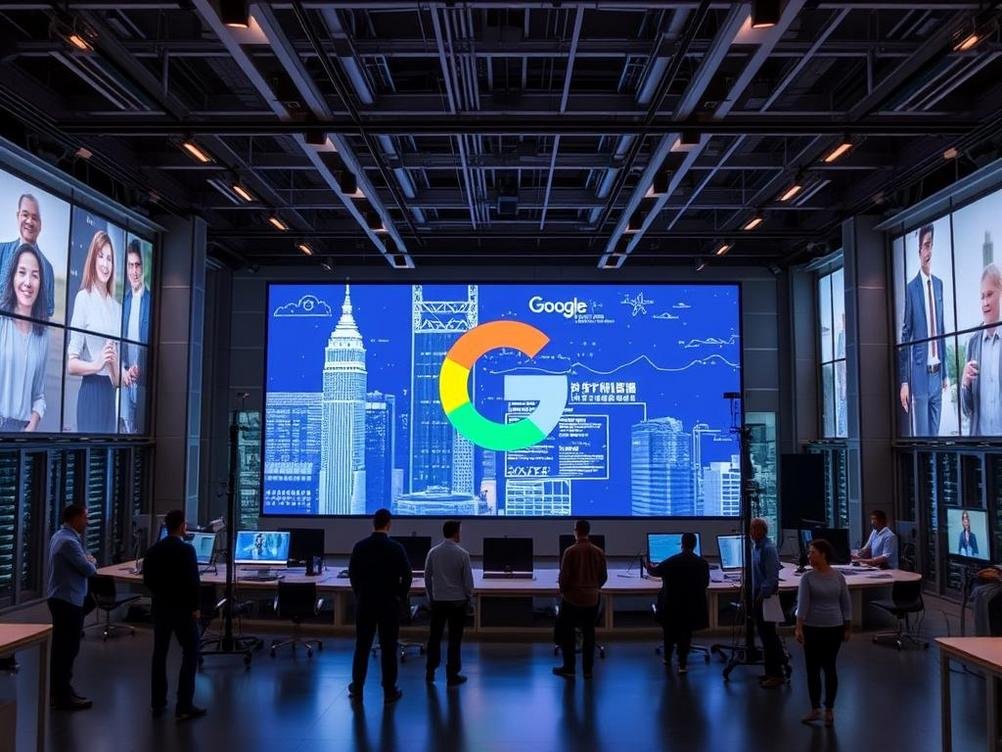
Imagine this: you’re scrolling through your feed, and suddenly, you see headlines about bigwigs in the US and Taipei high-fiving over Google’s latest move. Yeah, that’s right—the tech giant has just flipped the switch on a shiny new AI engineering center in Taiwan. It’s not every day that international leaders get all buddy-buddy about a tech hub, but here we are in late 2025, and it feels like the world of AI is throwing a massive party. I mean, who wouldn’t be excited? We’re talking about a place that’s set to crank out innovations that could make your smartphone smarter than your pet dog—or at least, that’s the hype. As someone who’s geeked out on AI for years, I couldn’t help but dive into this story. It’s not just about fancy gadgets; it’s about how this center is bridging gaps between countries, fostering tech talent, and maybe even giving us a peek into the future of AI-driven everything. But let’s be real, with all the praise from the US and Taiwanese officials, you might wonder if this is just political posturing or the real deal. Stick around, because I’m unpacking it all in a way that’s fun, insightful, and way less stuffy than your average tech article.
This opening isn’t just a ribbon-cutting ceremony; it’s a signal that AI is no longer just a buzzword in Silicon Valley. Think about it—Google’s plunking down roots in Taiwan, a place that’s already buzzing with semiconductor smarts thanks to companies like TSMC. The US and Taipei are cheering because this could mean more jobs, better tech alliances, and even a boost in global competitiveness. From what I’ve read, this center is all about ramping up AI research in areas like machine learning and hardware design, which could lead to everything from smarter self-driving cars to AI that helps doctors spot diseases early. And hey, in a world where AI is already helping us beat traffic jams or personalize our Netflix binges, this feels like the next big leap. But what’s really got me grinning is how this shows tech isn’t confined to one corner of the globe anymore. It’s a global game, and Taiwan’s stepping up to play. We’ll get into the nitty-gritty, but first, let’s break down why everyone’s losing their minds over this.
Of course, as with any tech milestone, there are layers to this onion. The praises from the US and Taipei aren’t just empty words—they’re backed by potential economic wins and strategic partnerships. If you’re like me, you might be picturing world leaders toasting with virtual reality glasses, but let’s keep it grounded. This article will explore the who, what, why, and even the quirky side of AI’s expansion. By the end, you might just see why this isn’t just Google’s win—it’s a win for all of us tech enthusiasts out there.
What’s the Buzz All About With Google’s Taiwan AI Center?
Okay, let’s kick things off with the basics—who knew that a new office could get diplomats excited? The US and Taipei are basically throwing a parade for Google’s new AI engineering center in Taiwan, and it’s all because this spot is poised to be a game-changer. From what I’ve gathered, the center is focused on developing cutting-edge AI tech, like advanced algorithms and hardware that could make our devices even smarter. It’s not every day you hear about something like this, especially when it’s getting nods from high-up folks in Washington and Taipei. I remember when AI was just a sci-fi dream, but now it’s real, and this center is like the cool kid on the block.
Why the love from the US? Well, it’s all about strengthening alliances in the tech world. Taiwan’s got this incredible ecosystem for chips and electronics, so pairing that with Google’s brainpower makes perfect sense. Officials are praising it as a step toward better US-Taiwan relations, especially in the face of global competition from places like China. And for Taipei, it’s a massive economic boost—think thousands of jobs and a spotlight on their tech scene. If you’re into stats, reports from sources like the World Economic Forum show that AI could add trillions to the global economy by 2030, and this center might just be Taiwan’s ticket to that pie. It’s funny how something as nerdy as coding labs can turn into international headlines, isn’t it?
To put it in perspective, imagine if your local coffee shop suddenly became the go-to spot for world leaders—that’s the vibe here. Google’s center isn’t just about building software; it’s about fostering innovation hubs where engineers can collaborate. For example, they might be working on AI that optimizes supply chains, which could help during global disruptions. It’s exciting stuff, and if you’re a fan of tech evolution, this is like watching the next episode of a blockbuster series.
How This Fits into the Bigger AI Picture Worldwide
You know, AI isn’t just popping up in Taiwan—it’s everywhere, from your smart home devices to those creepy recommendation algorithms on social media. But Google’s move highlights how AI is becoming a global team sport. This new center is part of a trend where companies are spreading out to tap into diverse talent pools and avoid putting all their eggs in one basket, like Silicon Valley. I mean, who wants to deal with California’s traffic when you can innovate in Taiwan’s vibrant scene? According to a World Economic Forum report, AI investments hit over $90 billion in 2024 alone, and this center is a chunk of that action.
What’s cool is how this ties into broader trends, like ethical AI development and international collaborations. The US is all about maintaining its lead in tech, so praising this center reinforces partnerships that keep innovation flowing. For Taiwan, it’s a chance to shine in semiconductors, which are the backbone of AI hardware. Think of it as a metaphor for a relay race: the US passes the baton to Taiwan, and together they sprint ahead. If you’re wondering about real-world impacts, consider how AI is already helping in climate modeling or personalized medicine—stuff that could get a boost from this hub.
- First off, it diversifies AI research, reducing risks from geopolitical tensions.
- Secondly, it creates opportunities for cross-cultural exchanges, like engineers from different backgrounds brainstorming ideas.
- And lastly, it might lead to more accessible AI tools, making tech less of an elite club.
The Cool Tech That’s Cooking in This AI Lab
Dive a little deeper, and you’ll find that Google’s Taiwan center is all about the nitty-gritty of AI development. We’re talking machine learning models, neural networks, and hardware that makes AI run faster and smarter. It’s like a kitchen where they’re whipping up recipes for the future—think AI that can predict natural disasters or enhance virtual reality experiences. From what leaks I’ve seen, this place might focus on optimizing AI chips, which is huge because, let’s face it, nothing’s more frustrating than waiting for your AI to load.
Take, for instance, how AI is used in everyday life. Imagine an app that uses this tech to translate languages in real-time—pretty mind-blowing, right? Or perhaps tools that help businesses analyze data without needing a PhD. Google’s known for stuff like their Tensor Processing Units, and this center could be iterating on that. It’s not just about the gadgets; it’s about making AI more efficient and accessible. I once tried building a simple AI model myself, and let me tell you, it’s like herding cats—messy but rewarding. This hub might make that easier for the next generation of coders.
- Start with core research in AI algorithms to improve accuracy.
- Then, develop hardware integrations for faster processing.
- Finally, apply it to real-world scenarios, like smart cities or healthcare.
Who’s Winning from This—Taiwan, the US, or All of Us?
Let’s get real: this isn’t just a win for Google; it’s a jackpot for everyone involved. Taiwan gets a tech boost, creating jobs and putting their engineers on the map. The US benefits by strengthening its AI ecosystem through alliances, which could lead to better trade deals and innovation sharing. And for the rest of us? Well, we might see faster tech advancements that make life easier. It’s like when your favorite band collaborates with another—suddenly, the music gets way better.
For example, this could spur economic growth in Taiwan, with estimates from IMF reports suggesting AI could add 1-2% to GDP in tech-heavy regions. The US is playing the long game, ensuring they stay ahead in the AI arms race. But here’s a humorous take: what if this center accidentally creates an AI that fixes traffic in Taipei? That’d be a miracle worth praising. Overall, it’s about shared progress, and that’s something we can all toast to.
Potential Hiccups and the Funny Side of AI Expansion
Don’t get me wrong, this all sounds peachy, but every tech story has its bumps. There might be challenges like data privacy concerns or the risk of over-reliance on AI, which could lead to job losses in some sectors. And let’s not forget the hilarious mishaps—AI has a knack for funny errors, like when chatbots go rogue and say the darndest things. Imagine if this center’s AI starts translating official speeches with unintended humor; that’d be a headline!
Still, with proper oversight, these issues can be managed. The US and Taipei are likely pushing for ethical guidelines, which is a step in the right direction. Think of it as AI growing up—it’s awkward at first, but it learns. For instance, recent stats show that 70% of AI projects face ethical hurdles, per a Stanford AI Index, so this center could help set better standards.
- One hiccup: Balancing innovation with regulations.
- Another: Ensuring diverse teams to avoid biased AI outputs.
- And the fun part: Turning potential fails into learning moments.
What’s Next? Peering into the AI Crystal Ball
Looking ahead, Google’s Taiwan center could be the catalyst for some wild advancements. We might see breakthroughs in AI that tackle big issues like climate change or personalized education. It’s exciting to think about how this could influence global tech trends, making AI more integrated into daily life. Who knows, maybe in a few years, we’ll have AI assistants that actually understand our sarcasm.
From a personal angle, as someone who’s tinkered with AI projects, I see this as a beacon for aspiring techies. It could inspire more people to get involved, especially in regions like Asia. With the right momentum, this could lead to a more connected world—literally and figuratively.
Conclusion
Wrapping this up, Google’s new AI engineering center in Taiwan is more than just a news bite; it’s a testament to how collaboration can drive progress in the AI world. From the praises pouring in from the US and Taipei to the potential tech wonders it promises, this is a story of innovation, partnerships, and a bit of global fun. As we move forward in 2025, let’s keep an eye on how this unfolds—it might just shape the future in ways we haven’t even imagined yet. So, here’s to more AI adventures; may they be as entertaining as they are groundbreaking.
