
Why Google’s New Taiwan AI Center is Making Waves in the Tech World
Why Google’s New Taiwan AI Center is Making Waves in the Tech World
Imagine this: you’re scrolling through your phone one lazy Sunday afternoon, and suddenly, your favorite app starts suggesting recipes based on your fridge contents, all thanks to some fancy AI smarts. Now, picture that magic happening on a massive scale, and it turns out Google’s just flipped the switch on a brand-new AI engineering center in Taiwan. Yeah, that’s the buzz everyone’s talking about—the US and Taipei officials are practically high-fiving over it. It’s not every day that a tech giant like Google decides to plant roots in a spot that’s already a hotspot for innovation, but here we are in 2025, watching AI evolve faster than a kid learning TikTok dances. This opening isn’t just about more code-crunching; it’s a sign that AI is weaving itself into the fabric of everyday life, from smarter cities to personalized health tips. I’ve always been a bit of a tech nerd myself, and let me tell you, seeing how this could bridge the gap between Eastern and Western tech vibes gets me excited. We’re talking about jobs popping up, collaborations brewing, and maybe even the next big AI breakthrough that could make your life a tad easier. So, why should you care? Well, if you’re into how AI is reshaping the world, this is like front-row seats to the show. Stick around, and we’ll dive into what this means for the future, with a mix of real talk, some fun insights, and a dash of my own opinions to keep things lively.
What Exactly is Google’s Taiwan AI Center All About?
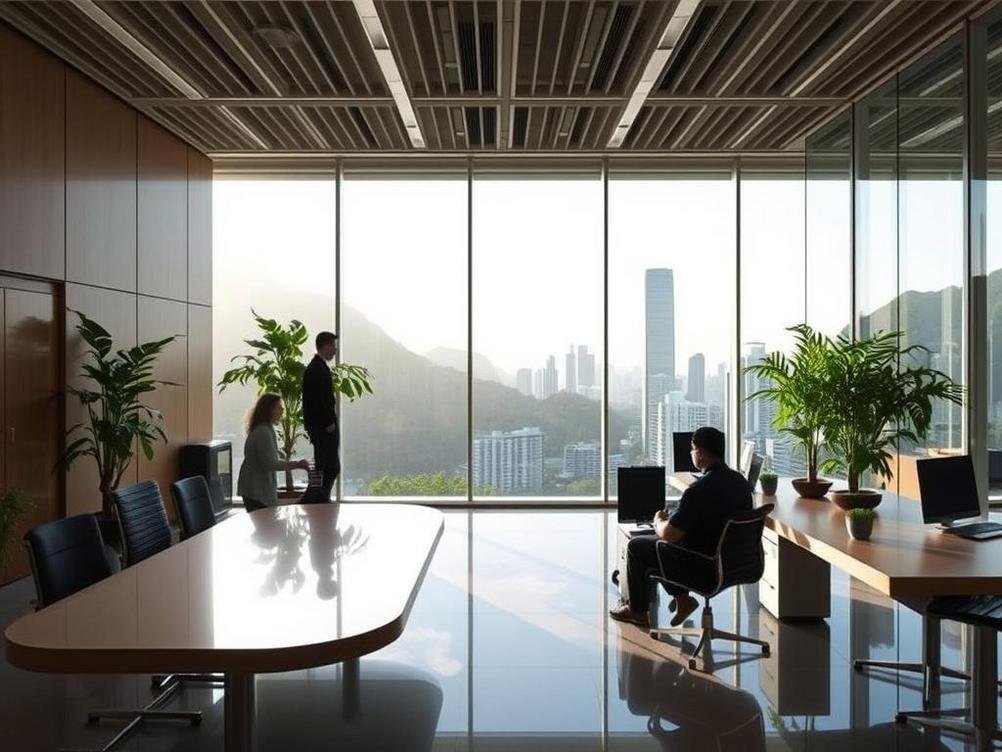
You know how sometimes you hear about these big tech announcements and think, ‘Okay, but what’s the real deal?’ Well, Google’s new AI engineering center in Taiwan is basically their way of saying, ‘Hey, Asia, we’re doubling down on innovation here.’ Announced with cheers from US and Taipei bigwigs, this spot is set to focus on everything from machine learning to AI ethics—stuff that’s going to influence how we use tech daily. It’s not just another office; it’s a hub designed to tackle regional challenges, like improving disaster response in earthquake-prone areas or making AI more accessible for local businesses. I mean, think about it: Taiwan’s already a tech powerhouse with companies like TSMC leading the charge in semiconductors, so pairing that with Google’s brainpower? That’s like mixing coffee with cream for a perfect brew.
From what I’ve read, this center will employ hundreds of engineers and researchers, fostering that cross-pollination of ideas between the US and Taiwan. It’s got me wondering, how often do we see such international partnerships that aren’t just about profits? Sure, Google’s got its eyes on expanding its market share, but there’s a genuine opportunity here for collaborative projects. For instance, they might work on AI that helps with language translation for global trade, making it easier for businesses in Taipei to connect with Silicon Valley startups. And let’s not forget the stats—according to recent reports from sources like Statista, the AI market in Asia-Pacific is projected to hit $256 billion by 2025. That’s massive, and Taiwan’s in the thick of it, thanks to this new center.
If you’re a small business owner or even a student dabbling in tech, this could open doors. Imagine accessing Google’s resources for AI training programs—it’s like getting a VIP pass to a concert you never thought you’d attend. But hey, it’s not all rosy; we’ll get to the challenges later. For now, picture this as a stepping stone for more inclusive tech development.
The Hype from US and Taipei: What’s the Big Fuss?
Okay, so why are the US and Taipei officials acting like this is the best thing since sliced bread? Well, it’s not just about patting themselves on the back; it’s about strategic alliances in a world where AI is the new oil. The US sees Taiwan as a key player in countering tech dominance from other global powers, and Google’s move strengthens that bond. I remember reading about how US Secretary of State Antony Blinken praised it as a ‘milestone for Indo-Pacific innovation’—essentially, it’s a way to boost economic ties while keeping AI ethics in check. Taipei, on the other hand, is thrilled because it puts them on the map as an AI frontrunner, attracting talent and investment like bees to honey.
Let’s break this down with a list of why the hype is real:
- First off, it creates jobs—hundreds of them—in fields like software engineering and data science, which is a win for Taiwan’s economy.
- Secondly, it’s fostering international collaboration, meaning shared knowledge that could lead to breakthroughs in AI safety and applications.
- And third, it’s a nod to Taiwan’s robust tech ecosystem, with companies like Foxconn already in the mix, potentially leading to more partnerships.
This isn’t just corporate speak; it’s about real impacts. For example, if you’ve ever used Google Translate, imagine it getting even smarter with Taiwan’s input on multilingual AI—that could make travel or business a breeze.
Of course, there’s a bit of politics here, like how this counters influences from elsewhere in Asia. It’s almost like a friendly rivalry, where everyone’s trying to one-up each other in the AI race. But honestly, as a tech enthusiast, I find it refreshing to see governments and companies teaming up instead of bickering.
How This Ties into Global AI Trends
Now, let’s zoom out a bit. Google’s Taiwan center isn’t happening in a vacuum; it’s part of a larger wave of AI expansion worldwide. We’re seeing similar setups in places like Singapore and India, but Taiwan’s got that unique edge with its microchip expertise. This could mean faster development of AI hardware, like those energy-efficient chips that make your phone run smoother. I’ve always thought of AI as a double-edged sword—amazing for automation but tricky for job security—but initiatives like this show it’s evolving responsibly.
Take a metaphor: it’s like building a bridge between continents. The US brings in its cutting-edge research, while Taiwan offers manufacturing prowess. According to a report from McKinsey, AI could add up to $13 trillion to the global economy by 2030, and hubs like this are key players. For everyday folks, that translates to better apps, smarter healthcare, and even AI-driven environmental solutions. Ever wondered how AI could help predict natural disasters? Taiwan’s experience with earthquakes makes it perfect for that.
One real-world example: Google’s AI might collaborate on projects to optimize traffic in Taipei, reducing emissions and saving time for commuters. It’s not just pie in the sky; it’s practical stuff that could inspire similar efforts elsewhere.
Real-World Impacts: Who Benefits from This?
Alright, let’s get practical—who actually wins from Google’s new AI digs? Start with the locals: Taiwanese engineers and startups get a boost in resources and mentorship, turning ideas into reality. I mean, if you’re a developer in Taipei, this could be your ticket to working on global projects without jetting off to California. And for the rest of us? Well, think about AI-powered tools that make life easier, like personalized learning apps or even advanced search algorithms that cut through the online noise.
Here’s a quick list of potential beneficiaries:
- Tech enthusiasts and students: Access to workshops and training programs that Google often runs.
- Businesses: Enhanced AI for marketing, supply chain, or customer service—imagine a retailer using AI to predict trends accurately.
- The environment: AI applications for sustainable practices, like monitoring pollution in urban areas.
Statistics from the World Economic Forum show that AI could create 12 million more jobs than it displaces by 2025, and Taiwan’s center might be a big part of that equation.
But it’s not all sunshine. There’s the flip side, like ensuring AI doesn’t widen the digital divide. Still, with Google’s focus on ethics, it could set a positive example.
Challenges and Roadblocks Ahead
Every great story has its plot twists, right? For Google’s Taiwan AI center, challenges include navigating geopolitical tensions—Taiwan’s relationship with China isn’t exactly smooth, and that could throw a wrench into supply chains or data sharing. Plus, there’s the whole issue of AI biases; if not handled right, these tools could perpetuate inequalities. I’ve got to admit, it’s a bit like trying to bake a cake in a storm—you need the right ingredients, but external forces can mess it up.
On the brighter side, opportunities abound. This center could push for better regulations, ensuring AI is developed with diversity in mind. For instance, involving local communities in testing could make AI more culturally relevant. And let’s not forget the talent shortage—Taiwan might need to ramp up education to keep up with demand, which is where programs from Google could help.
If we look at past examples, like how Google’s other centers handled privacy issues, there’s hope. It’s all about learning from mistakes and adapting, which keeps things exciting.
Why Taiwan is Poised to Lead in AI Innovation
Taiwan isn’t just a random pick for Google; it’s got the goods. With a strong semiconductor industry and a government pushing for tech advancements, it’s like the unsung hero of Asia’s AI scene. Why? Because places like Hsinchu Science Park are already buzzing with innovation, and now Google’s adding fuel to the fire. It’s reminiscent of how Silicon Valley started—with a mix of brains and opportunity.
Consider this: Taiwan’s investment in R&D is through the roof, and with Google’s backing, we might see leaps in areas like quantum computing or AI for healthcare. A fun fact—did you know Taiwan handled the COVID-19 pandemic partly with tech tools? That’s the kind of real-world application that could get amplified here.
And for the global stage, this positions Taiwan as a key ally, potentially influencing AI standards worldwide. It’s inspiring to think about the ripple effects.
Conclusion: What’s Next for AI and Us
As we wrap this up, Google’s Taiwan AI center feels like a promising chapter in the ongoing saga of technology’s evolution. It’s not just about flashy announcements; it’s about building a future where AI makes our lives better, from smarter cities to innovative solutions for everyday problems. We’ve seen how this collaboration between the US, Taipei, and Google could spark real change, and honestly, it’s got me optimistic about what’s around the corner.
So, what’s your take? Maybe it’s time to dive into AI yourself—whether that’s learning a new skill or just staying curious. As we head into 2026 and beyond, let’s keep an eye on how these developments unfold and remember that at the heart of it all is people making tech work for us. Who knows, this could be the start of something truly transformative—let’s stay tuned and see where it leads.
