dailytech.ai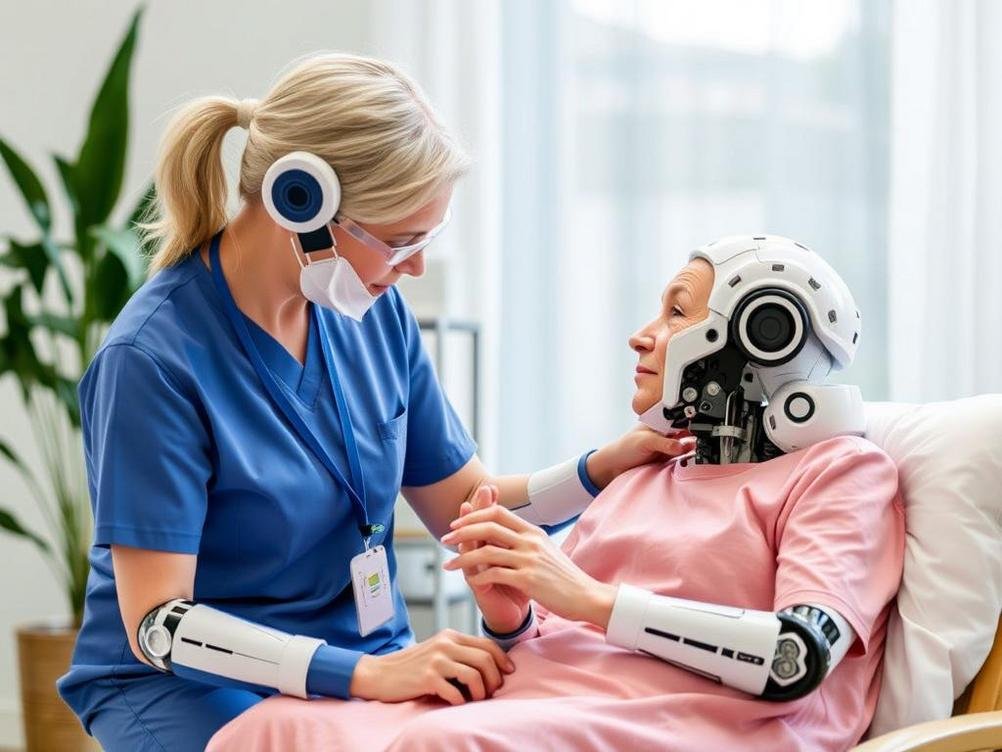
How the HHS AI Competition is Making Caregiving Less Robotic and More Heartfelt
Imagine you’re juggling a million things—work, kids, and trying to care for an aging parent who’s just not the same anymore. It’s exhausting, right? One minute you’re scheduling doctor’s appointments, the next you’re deciphering mysterious health apps that feel like they were designed by aliens. That’s the reality for millions of caregivers out there, and it’s no joke. Now, here’s where it gets interesting: the U.S. Department of Health and Human Services (HHS) has stepped in with this cool competition to develop AI tools that actually make caregiving more humane. Yeah, you heard that—AI, the same tech that powers your Netflix recommendations, could soon be helping with something as personal as looking after loved ones. It’s like giving a high-five to technology while keeping the human touch intact. This initiative isn’t just about slapping algorithms on problems; it’s about creating tools that understand emotions, reduce burnout, and make life easier without turning everything into a cold, calculated process. If you’re curious about how AI might transform caregiving from a chore into something more compassionate, stick around. We’ll dive into the details, share some real-world examples, and even sprinkle in a bit of humor because, let’s face it, we all need a laugh when dealing with life’s heavier stuff.
What Exactly is the HHS Competition All About?
You know how competitions like hackathons get everyone buzzing with ideas? Well, the HHS has launched something similar, but with a focus on AI for caregiving. Announced recently, this challenge invites developers, innovators, and even everyday folks with a tech bent to create AI solutions that make caregiving more empathetic and effective. It’s not just about building apps; it’s about addressing the nitty-gritty, like helping caregivers monitor health without invading privacy or predicting needs before they become crises. Think of it as a shot in the arm for the healthcare world, especially since caregiving often falls on family members who aren’t professionals.
From what I’ve dug up, the competition emphasizes making AI ‘humane,’ which means prioritizing things like user-friendliness, ethical AI practices, and accessibility. For instance, if you’re caring for someone with dementia, an AI tool could remind them to take meds in a gentle, conversational way—almost like having a virtual companion. And here’s a fun fact: according to a report from the AARP, about 48 million Americans are informal caregivers, spending billions of hours annually. That’s a huge market, and this competition could lead to tools that save time and reduce stress. If you’re into tech, this is your chance to turn a passion project into something that actually helps people—no cape required.
One cool aspect is the prizes on offer, which include funding and recognition. It’s like the tech world’s version of a talent show, but instead of singing, you’re solving real problems. If you’re wondering how to enter, head over to the HHS website for details, but remember, it’s all about innovation with a heart.
The Big Role AI Plays in Shaking Up Caregiving
Let’s be real—AI isn’t new, but its role in caregiving is like that underappreciated sidekick in a movie who suddenly saves the day. We’re talking about AI that can analyze data from wearables to spot early signs of health issues, or chatbots that offer emotional support when you’re feeling overwhelmed. The HHS competition is highlighting how these tools can make caregiving proactive rather than reactive. Imagine an AI that learns your routine and suggests breaks before you burn out—sounds like a dream, doesn’t it?
Take voice assistants like those from Google or Amazon as an example; they’ve evolved to handle health queries, but the competition wants to push it further. By focusing on ‘humane’ AI, it’s encouraging designs that consider cultural sensitivities and personal preferences. Statistics from the World Health Organization show that by 2030, the global population of people over 60 will hit 1.4 billion—that’s a lot of potential caregiving needs. AI could bridge the gap, especially in underserved areas. It’s not about replacing humans; it’s about giving them superpowers, like how a good cup of coffee perks you up for the day.
- AI for monitoring: Tools that track vital signs and alert caregivers without being intrusive.
- Personalized support: Apps that adapt to individual needs, making them feel less like a chore.
- Data analysis: Using machine learning to predict falls or medication errors, potentially saving lives.
Why ‘Humane’ AI Could Be a Game-Changer for Caregivers
Okay, so what’s the deal with ‘humane’ AI? It’s basically about making sure technology doesn’t feel impersonal. In caregiving, that means AI tools that incorporate empathy, like responding to frustration with calming words instead of robotic prompts. The HHS competition is pushing for this by rewarding entries that balance efficiency with emotional intelligence. It’s like teaching a robot to give a reassuring pat on the back—metaphorically, of course.
For instance, consider AI-powered companions for elderly folks living alone. These aren’t just devices; they’re designed to foster companionship, reducing loneliness which, according to Harvard studies, can be as bad for health as smoking. Humor me here: if AI can learn to tell a joke or share a memory prompt, it might just make daily routines less monotonous. And let’s not forget the caregivers themselves—tools that automate tasks could free up time for actual human interaction, which is priceless.
In real terms, companies like CarePredict are already using AI wearables to monitor daily activities, and this competition could inspire even better versions. If you’re a caregiver, imagine an app that not only reminds you of appointments but also suggests self-care tips. It’s a win-win, and with the HHS spotlight, we’re likely to see more of these innovations hitting the market soon.
The Challenges of Bringing AI into the Caregiving World
Don’t get me wrong, AI in caregiving sounds awesome, but it’s not all sunshine and rainbows. There are hurdles, like privacy concerns—who wants their every move tracked? The HHS competition is smart to address this by encouraging ethical AI designs that protect data. It’s like inviting a guest into your home; you want them helpful, not snoopy. We’ve all heard horror stories about data breaches, so building trust is key.
Another issue is bias in AI algorithms. If the training data isn’t diverse, these tools might not work well for everyone, say, different ethnic groups or disabilities. A study from MIT found that AI can perpetuate biases if not checked, so the competition’s focus on inclusivity is spot-on. Plus, there’s the cost factor; not everyone can afford fancy tech, so making it accessible is crucial. Think of it as AI needing to earn its keep without adding to inequality—it’s a tall order, but doable with the right tweaks.
- Privacy risks: Ensuring data is secure and users control what gets shared.
- Bias and accuracy: Regular audits to make AI fair for all.
- Adoption barriers: Designing user-friendly interfaces that don’t intimidate non-tech-savvy folks.
Real-World Examples and What We Can Learn From Them
Pull up a chair, because there are already some inspiring examples out there that align with the HHS competition’s goals. Take something like the AI from Intuition Robotics, which created ElliQ, a companion for seniors that chats and reminds them of things in a natural way. It’s not perfect, but it’s a step toward making tech feel less like a gadget and more like a friend. The competition could spark even more ideas, like AI that integrates with home devices to create a safer environment.
Or consider how hospitals are using AI for predictive analytics—tools that forecast patient deteriorations based on patterns. According to a report from McKinsey, AI could reduce healthcare costs by up to 50% in some areas. That’s huge for caregiving, where budgets are often tight. I like to think of it as AI being the ultimate sidekick, like Robin to Batman’s Batman, but in this case, it’s helping real heroes: the caregivers.
And here’s a quirky one: in Japan, they’re using AI robots for elderly care, which has reduced isolation rates dramatically. If we adapt that here, the HHS competition might lead to U.S.-specific tools that blend culture and technology seamlessly. It’s all about learning from global successes and avoiding pitfalls—like making sure the AI doesn’t sound like it’s from a sci-fi flick.
Looking Ahead: The Future of AI in Caregiving
Fast-forward a few years, and AI in caregiving could be as commonplace as smartphones. The HHS competition is just the beginning, paving the way for a future where tech enhances human connections rather than replacing them. We’re talking about AI that evolves with users, learning from interactions to provide truly personalized care. It’s exciting, but it also means we have to stay vigilant about how it’s implemented.
Experts predict that by 2030, AI could handle up to 80% of routine caregiving tasks, freeing humans for the emotional stuff. That’s from sources like the National Institute on Aging, which highlights the potential for better outcomes. Imagine a world where AI helps prevent burnout, allowing caregivers to enjoy quality time instead of just managing crises. It’s like upgrading from a beat-up car to a self-driving one—still need a driver, but way less stress.
- Integration with smart homes: AI that works with existing tech for seamless support.
- Global collaboration: Sharing ideas from competitions like HHS to accelerate progress.
- Ongoing improvements: Regular updates based on user feedback to keep things humane.
Conclusion
Wrapping this up, the HHS competition is a beacon of hope for anyone touched by caregiving, showing how AI can bring a bit more heart to the hustle. We’ve explored what it entails, the benefits, challenges, and even some real-world wins, and it’s clear that when done right, AI isn’t the enemy—it’s an ally. Whether you’re a tech enthusiast, a caregiver, or just someone who cares about the future, this initiative reminds us that innovation should always serve people first. So, why not get involved or keep an eye on developments? Who knows, your idea might just make caregiving a little less overwhelming and a lot more human. Let’s cheer on this movement and see how it shapes a kinder, smarter world for all.