 dailytech.ai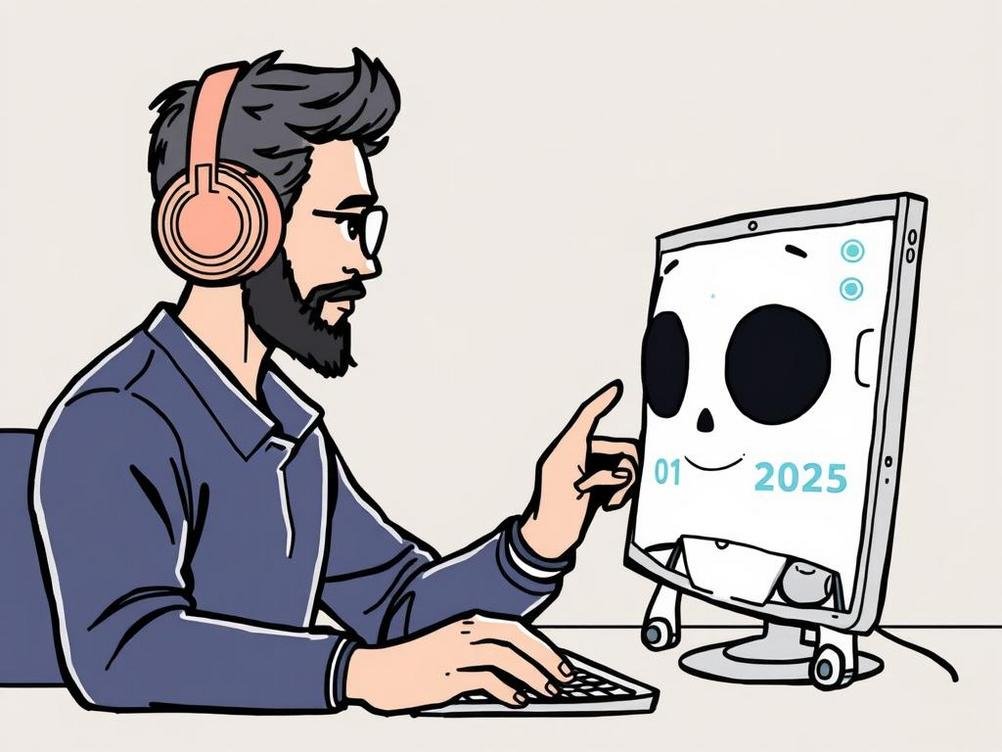
My Hilarious Journey Testing Over 70 AI Tools in 2025: The Good, The Bad, and The Utterly Bizarre
Okay, picture this: It’s early 2025, and I’m sitting in my cluttered home office, surrounded by empty coffee mugs and a laptop that’s seen better days. The world of AI is exploding faster than a popcorn kernel in a microwave, and I thought, “Why not dive headfirst into this chaos?” So, I did what any slightly unhinged tech enthusiast would do—I committed to trying out over 70 of the so-called “best” AI tools out there. We’re talking everything from chatbots that promise to write your next bestseller to image generators that turn your doodles into masterpieces (or nightmares, depending on the day). Why? Well, partly because I’m a glutton for punishment, and partly because I wanted to separate the real gems from the overhyped duds. Over the past few months, I’ve laughed, I’ve cried (mostly from frustration), and I’ve discovered some tools that have genuinely changed how I work and play. If you’re like me—curious about AI but overwhelmed by the options—this post is your shortcut. I’ll share my top picks, epic fails, and a few surprises that left me scratching my head. Buckle up; it’s going to be a wild ride through the AI landscape of 2025. And hey, if nothing else, you’ll at least get a chuckle out of my misadventures.
Why I Embarked on This AI Tool Marathon
Let me be real with you: I didn’t wake up one day and decide to test 70+ AI tools just for kicks. It started innocently enough with a New Year’s resolution to boost my productivity. You know how those go—full of optimism in January, forgotten by February. But this time, AI was everywhere. Headlines screaming about the next big thing, friends raving about tools that “changed their lives,” and me, feeling like the last person not on the bandwagon. So, I rolled up my sleeves and started experimenting. From content creation to data analysis, I wanted to see if these tools could actually make my life easier or if they were just fancy gimmicks.
What surprised me most was the sheer variety. Some tools felt like having a super-smart sidekick, while others were more like that unreliable friend who shows up late and forgets half the plan. I tracked my experiences in a messy spreadsheet (ironic, right?), noting ease of use, cost, and whether they delivered on their promises. By the end, I’d spent countless hours—and a bit of cash—on subscriptions and trials. But man, the insights were worth it. If you’re dipping your toes into AI, start small; don’t be like me and go all-in on day one.
One thing I learned quickly? Not all AI is created equal. Tools like ChatGPT have evolved, but newcomers are nipping at their heels with specialized features. It’s like comparing a Swiss Army knife to a laser-focused scalpel—both useful, but for different jobs.
The Productivity Powerhouses That Actually Worked
Alright, let’s talk about the heroes of my experiment—the tools that made me feel like I had superpowers. First up, Notion AI. I’ve been a Notion fan for years, but their 2025 updates took it to another level. It auto-summarizes my rambling notes into concise action items, and the integration with databases is seamless. I used it to plan a family vacation, and it suggested itineraries based on our preferences—saved me hours of googling.
Then there’s Jasper AI, which has beefed up its content generation game. I threw it some blog ideas, and it spat out drafts that were surprisingly human-like. Of course, I had to tweak them (because nothing beats your own voice), but it cut my writing time in half. And don’t get me started on Grammarly’s AI enhancements; it’s not just catching typos anymore—it’s suggesting entire rewrites that flow better. These tools aren’t perfect, but they turned my chaotic workflow into something resembling order.
Here’s a quick list of my top productivity picks:
- Notion AI: For organizing your life without the hassle. Check it out at Notion’s site.
- Jasper AI: Great for writers on a deadline.
- Grammarly: The evolution from spell-checker to writing coach.
- Todoist with AI predictions: It guesses your next tasks— spooky accurate!
Creative AI Tools That Sparked Joy (And a Few Nightmares)
Shifting gears to the fun stuff: creative tools. Midjourney’s latest version in 2025 is a beast for image generation. I asked it to create a “cyberpunk cat detective,” and the results were hilariously spot-on—think whiskers and neon lights. It’s perfect for hobbyists or designers needing quick visuals. But beware, it can get addictive; I lost a whole afternoon generating absurd pet portraits.
On the music side, AIVA blew my mind. This AI composes original tracks based on your mood or genre. I inputted “upbeat jazz for a rainy day,” and it delivered something that could’ve been from a speakeasy. It’s not replacing human musicians, but for background tunes or inspiration, it’s gold. However, some tools like Runway ML for video editing were a mixed bag—powerful, but with a learning curve steeper than Mount Everest.
The nightmares? One tool promised “realistic avatars” but gave me something out of a horror flick. Moral of the story: Always preview before sharing. Creativity with AI is like playing with fire—exciting, but you might get burned if you’re not careful.
The Overhyped Duds That Left Me Disappointed
Not everything was sunshine and rainbows. Some tools hyped as revolutionary in 2025 fell flat on their digital faces. Take this one AI personal assistant that claimed to manage your entire schedule. It double-booked my meetings and suggested I “relax” during a deadline crunch. Thanks, but no thanks. It reminded me of that overconfident intern who means well but messes everything up.
Another flop was a coding AI that promised bug-free code. I fed it a simple script, and it introduced more errors than it fixed. Turns out, it’s great for brainstorming but not for precision work. And let’s not forget the fitness AI apps— one analyzed my runs and told me to “eat more kale” every day. Buddy, variety is the spice of life! These experiences taught me to read reviews critically and start with free trials.
Stats-wise, out of the 70+, about 20% were total busts. According to a recent report from Gartner, 30% of AI tools fail to meet user expectations due to overpromising. Lesson learned: Hype doesn’t equal quality.
Surprising Gems in Niche Categories
Amid the chaos, I stumbled upon some under-the-radar tools that punched way above their weight. For language learning, Duolingo’s AI tutor in 2025 feels like chatting with a patient friend. It adapts to your mistakes in real-time, making lessons fun instead of frustrating. I brushed up on my Spanish and actually retained it—miracle!
In the health space, an AI meditation app called Calm’s new feature generates personalized guided sessions based on your stress levels (via wearable integration). It’s like having a zen master in your pocket. And for cooking enthusiasts, there’s Whisk AI, which invents recipes from your fridge contents. I tossed in random ingredients, and it suggested a tasty stir-fry—saved dinner more than once.
These niches show AI’s potential beyond the mainstream. It’s like finding a hidden trail in a crowded park—quiet, rewarding, and totally worth the detour.
Ethical Twists and Turns in the AI World
Testing all these tools wasn’t just about fun and games; it got me thinking about the bigger picture. Ethics in AI is a hot topic in 2025, and rightly so. Tools that generate deepfakes or biased content? Yikes. I avoided those like the plague, but it was eye-opening to see how some platforms are stepping up with transparency features.
For instance, Adobe’s Firefly now includes watermarks on AI-generated images to combat misinformation. Smart move. On the flip side, I encountered a tool that plagiarized content without crediting sources—major red flag. As users, we gotta be vigilant. Remember, AI is a tool, not a magic wand; use it responsibly to avoid those ethical potholes.
A fun metaphor: AI ethics is like driving a sports car—thrilling, but you need seatbelts and rules to not crash and burn.
How AI Tools Are Shaping the Future (And My Daily Life)
After this marathon, I’ve integrated a handful of tools into my routine, and it’s transformed how I operate. My mornings now start with an AI-curated news summary, keeping me informed without the doom-scrolling. Work-wise, collaboration tools like Slack’s AI bots handle mundane replies, freeing up brain space for creative stuff.
Looking ahead, 2025 is just the tip of the iceberg. Experts predict AI will automate 40% of repetitive tasks by year’s end, per a McKinsey report. But it’s not about replacing humans; it’s about augmentation. I’ve seen it firsthand—tools that enhance, not eclipse, our abilities.
Personally, this experiment reignited my love for tech. It’s like rediscovering an old hobby with new toys. If you’re on the fence, give a few a spin; you might be surprised.
Conclusion
Wrapping up my epic quest through 70+ AI tools in 2025, I can say it’s been equal parts enlightening and entertaining. From productivity saviors to creative sparks, and yes, even the flops, each one taught me something. The key takeaway? AI isn’t a one-size-fits-all solution; it’s about finding what fits your needs and using it wisely. Don’t get swept up in the hype—test, iterate, and have fun with it. If I’ve inspired you to try even one new tool, my mission’s accomplished. What’s your favorite AI discovery this year? Drop a comment below; let’s geek out together. Here’s to navigating the AI future with a smile and a healthy dose of skepticism!









Leave a Reply