dailytech.ai
How AI and Rate Cut Worries Are Turning the Holiday Season into a Rollercoaster for Investors
Picture this: You’re all cozied up with a cup of hot cocoa, the holidays are just around the corner, and suddenly your phone buzzes with a stock alert that makes your stomach drop. Yeah, that’s the vibe investors are dealing with right now as we head into the end-of-year madness. With AI tech evolving faster than a viral TikTok dance and whispers of rate cuts making everyone second-guess their portfolios, it’s like trying to navigate a sleigh ride through a blizzard. I mean, who knew that what started as cool sci-fi stuff would have Wall Street types clutching their pearls over holiday turbulence? This article dives into why investors are on edge, blending the buzz around AI’s influence with the uncertainty of central bank decisions. We’ll unpack how these forces are colliding, share some real-talk strategies to keep your investments steady, and maybe even throw in a laugh or two because, let’s face it, if you can’t chuckle at market mayhem, you might as well join the bears in hibernation. From my chats with finance folks and keeping an eye on the latest trends, it’s clear that 2025 is shaping up to be a wild ride—but hey, that’s what makes it exciting, right? So, whether you’re a seasoned trader or just dipping your toes into the stock pool, stick around. We’ll explore how to turn these challenges into opportunities, backed by some eye-opening examples and stats that’ll help you make smarter moves before the ball drops on New Year’s Eve.
What’s All the Fuss About Holiday Season Turbulence?
Every year, the holiday season brings a mix of cheer and chaos to the markets, but in 2025, it’s like someone cranked up the volume. Investors are eyeing potential shake-ups because, let’s be real, who wants to deal with volatility when you’re already stressed about gift shopping? The big worry stems from how consumer spending spikes during Black Friday and Cyber Monday, which can lead to unpredictable stock swings. Add in global supply chain hiccups—think delayed shipments from overseas—and you’ve got a recipe for turbulence. It’s not just about sales; it’s about how AI is now predicting these trends, making investors wonder if the algorithms are friend or foe.
Take a look at last year’s data from the Federal Reserve’s economic reports—they showed that holiday retail sales jumped by around 6%, but that came with a side of market dips due to inflation fears. It’s hilarious how something as festive as Christmas lights can cast a shadow on your portfolio. Investors are basically playing a high-stakes game of Jenga, where one wrong move could topple everything. And don’t even get me started on how AI tools, like those predictive models from companies such as IBM’s Watson, are analyzing consumer data to forecast these shifts. If you haven’t checked out IBM’s Watson, it’s worth a peek—it’s like having a crystal ball, but way more accurate and less mystical.
Why AI Is Suddenly the Star of the Investment Show
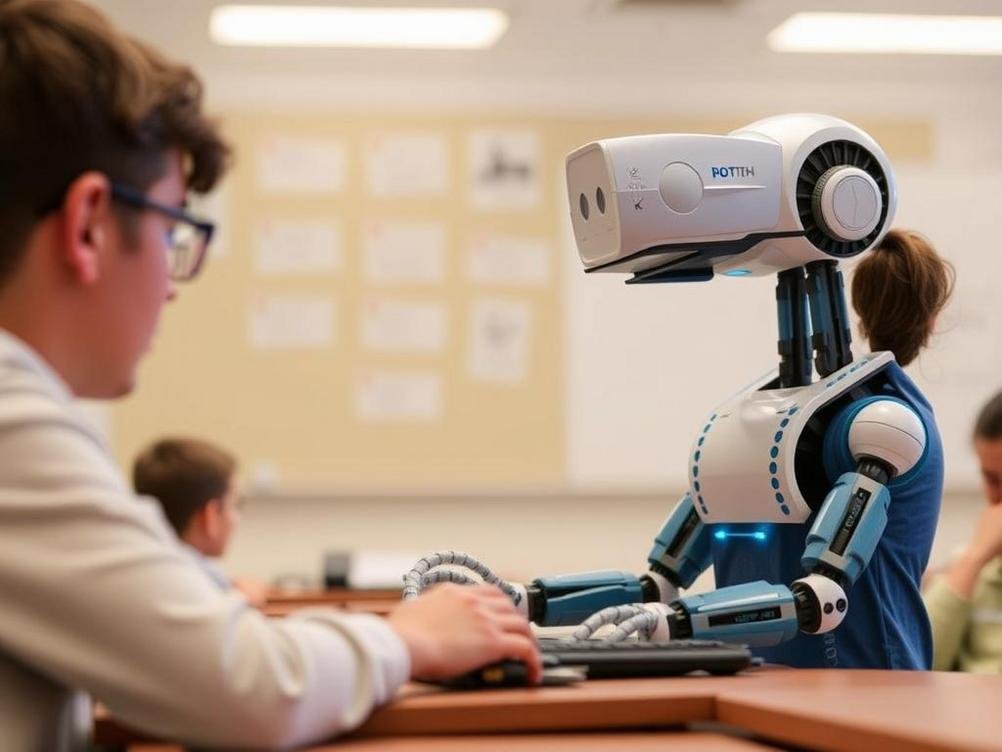
AI isn’t just that smart assistant on your phone anymore; it’s elbowing its way into investment strategies and causing a bit of a stir. Think about it—algorithms that can crunch numbers faster than you can say “stock split” are making traders rethink their approaches. But with great power comes great doubt, especially as we head into the holidays. Investors are wondering if relying on AI for predictions is a smart bet or just a fancy way to guess wrong. For instance, AI-driven funds have seen a massive uptick, with assets under management hitting over $1 trillion globally in 2025, according to reports from Morningstar.
Here’s a quick list of how AI is shaking things up:
- It analyzes vast amounts of data in real-time, spotting trends that humans might miss, like subtle shifts in consumer behavior during holiday sales.
- Tools like machine learning models from Google’s AI suite can predict market movements, but they’re not foolproof—remember that time AI overestimated e-commerce growth and left some investors scratching their heads?
- It’s democratizing investing, letting everyday folks use apps that mimic pro strategies, though that can lead to overconfidence, as we saw in the 2024 market corrections.
To keep it light, AI is like that overzealous party planner who tries to predict every guest’s preference but sometimes forgets the punchbowl. If you’re curious, dive into Google’s AI resources for more on how it’s changing the game.
Rate Cut Doubts: The Elephant in the Room
Now, let’s talk rate cuts—or the lack thereof—because nothing says “holiday spirit” like uncertainty from the Fed. Investors are eyeing the central banks’ moves with a mix of hope and skepticism, especially after the latest announcements in late 2025. Will they lower rates to boost spending, or hold steady and risk a slowdown? It’s like waiting for Santa but knowing he might show up empty-handed. Data from the U.S. Bureau of Labor Statistics shows inflation hovering around 2.5%, which isn’t helping ease those doubts, making investors wonder if rate cuts are just a pipe dream.
This skepticism isn’t new; it’s been building since the post-pandemic recovery. For example, in 2023, the Fed’s rate hike surprised markets and led to a 10% drop in major indices. Today, with AI factoring into economic forecasts, it’s even more complex. Imagine AI as the weather app that says it’s sunny, but then a storm rolls in—that’s rate cut doubts in a nutshell. To break it down:
- Central banks are using AI to model inflation, which means their decisions are partly based on tech that’s still evolving.
- If rates don’t drop, borrowing costs stay high, hitting sectors like real estate hard during the holiday build-up.
- On the flip side, no cuts could mean stability for savers, but that’s cold comfort if your stocks are tanking.
It’s all about balancing act, folks.
How AI and Rate Cuts Are Tangling Up the Holidays
Here’s where it gets interesting—AI and rate cut uncertainties aren’t operating in silos; they’re like two kids fighting over the last piece of pie at Thanksgiving dinner. When AI predicts a market dip due to rate fears, it can create a self-fulfilling prophecy, amplifying volatility. In 2025, we’ve seen AI-powered trading algorithms react swiftly to Fed hints, leading to rapid sell-offs that catch even the pros off guard. It’s almost comical how a single tweet from a central banker can send AI bots into a frenzy.
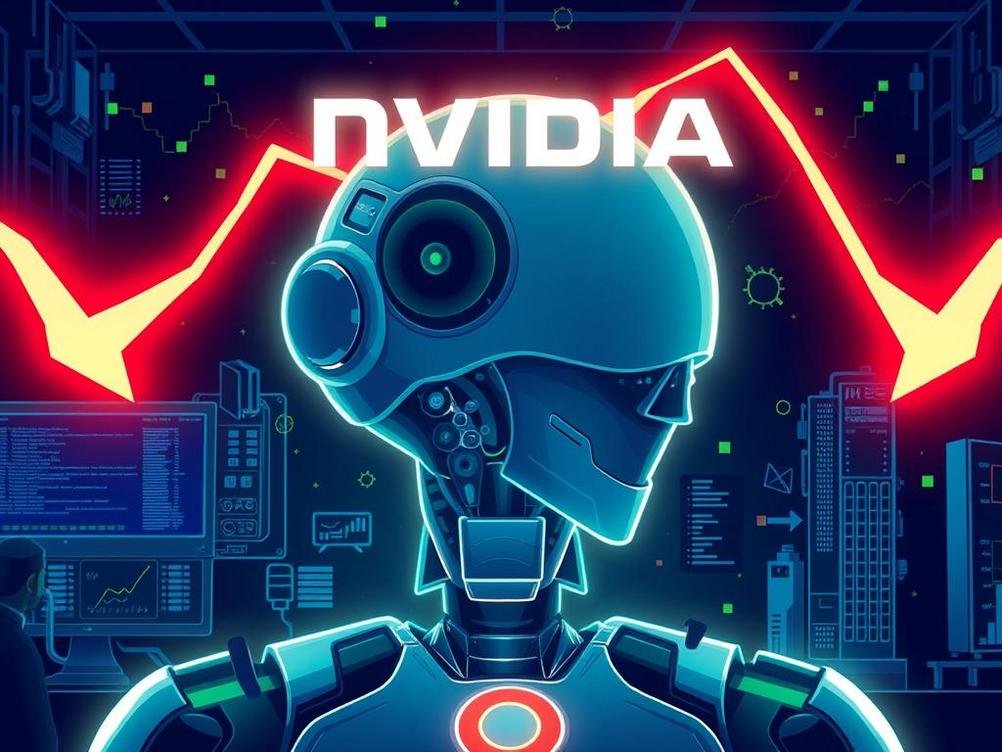
Let me paint a picture: Say you’re invested in tech stocks, which are heavily influenced by AI advancements. If rate cuts don’t happen, funding for AI projects dries up, and bam—your portfolio takes a hit. Real-world insight? Look at how NVIDIA’s stock fluctuated in early 2025 based on AI chip demand amid rate speculation. According to Statista, AI investments in the U.S. grew by 40% year-over-year, but that growth stalled when rate doubts hit. To navigate this, investors need to blend tech savvy with old-school caution, like mixing a cocktail that’s equal parts innovative and safe.
Pro Tips for Riding Out the Storm
Alright, enough doom and gloom—let’s get practical. If you’re an investor staring down this holiday hullabaloo, you’ve got options to keep your cool. First off, diversify your portfolio like you’re building a holiday feast; don’t put all your eggs in one basket, or in this case, one stock. AI can help here by offering tools for risk assessment, but remember, it’s not a magic wand. I’ve seen friends who swore by AI trading bots only to get burned when markets turned sideways.
Here’s a simple list to get you started:
- Keep an eye on AI-driven platforms like Robinhood or Robinhood’s tools for real-time alerts on rate changes.
- Set stop-loss orders to protect against sudden drops—it’s like having a safety net for your money.
- Educate yourself on economic indicators; sites like the Federal Reserve’s official page have free resources that break it down without the jargon.
And hey, don’t forget to take a break—staring at charts all day won’t make the holidays any merrier.
Looking Ahead: What’s Next for Investors in 2026?
As we wrap up 2025, it’s worth pondering what the future holds. AI isn’t going anywhere; it’s only getting smarter, which means investors who adapt could come out on top. But with rate cut doubts lingering, 2026 might bring more of the same turbulence, or perhaps a surprising turnaround. I’m optimistic—after all, every crisis is a chance for growth, like turning coal into diamonds, right? Experts from Bloomberg predict that AI integration in finance could reduce market risks by up to 25% in the coming years, but only if we handle the human element wisely.
To put it in perspective, consider how companies like Tesla have used AI to weather economic storms. Elon Musk isn’t afraid to pivot, and neither should you. Keep learning, stay flexible, and maybe throw in a holiday movie marathon to recharge—because at the end of the day, life’s too short for constant worry over stocks.
Conclusion
Wrapping this up, the holiday season’s turbulence tied to AI and rate cut doubts is a reminder that investing is as much an art as it is a science. We’ve covered how these factors are intertwining, from AI’s predictive prowess to the Fed’s head-scratching decisions, and shared ways to navigate it all with a bit of humor and strategy. Remember, whether you’re dodging market dips or celebrating gains, the key is to stay informed, diversify, and not let the stress steal your holiday joy. Who knows? By next year, AI might just make investing as straightforward as ordering pizza online. Here’s to smarter moves and a prosperous 2026—keep an eye on the horizon, and maybe raise a glass to the chaos. You’ve got this!