dailytech.ai
How AI is Reshaping Dell’s Future: Navigating the Wild Market Shifts of 2025
Imagine this: You’re sitting at your desk, sipping coffee, and scrolling through the news when you stumble upon yet another headline about AI taking over the world. It’s 2025, and honestly, it feels like we’ve been in a tech rollercoaster for years. Dell Technologies, that trusty name in computers and servers, is right in the thick of it all. With AI exploding everywhere—from smart assistants in your home to supercharged data centers—it’s forcing companies like Dell to pivot hard or risk getting left in the dust. Think about it: Just a few years back, Dell was all about selling laptops and enterprise gear, but now, AI’s demands for faster processing, edge computing, and sustainable tech are flipping the script. This isn’t just business as usual; it’s a full-on evolution, and it’s changing how Dell competes, innovates, and connects with customers. In this article, we’ll dive into the nitty-gritty of these shifts, exploring how AI is shaking up the market and what it means for Dell’s story going forward. We’ve got real examples, a bit of humor to keep things light, and some insights that might just make you rethink your next tech purchase. After all, who doesn’t love a good underdog tale in the world of gadgets? So, buckle up as we unpack how recent AI advancements are not only challenging Dell but also opening doors to exciting possibilities. Whether you’re a tech enthusiast, a business owner, or just curious about the future, this ride is for you.
The Rise of AI: Why It’s Shaking Up the Tech World
You know how AI used to be that sci-fi stuff in movies, like robots taking over? Well, fast-forward to 2025, and it’s pretty much everywhere, from your phone’s predictive text to massive data-crunching operations. For Dell, this means their bread-and-butter products—servers, storage, and workstations—have to evolve to handle AI’s hunger for speed and smarts. Take generative AI, for instance; it’s not just about chatbots anymore. Companies are using it to optimize everything from supply chains to customer service, and Dell’s got to keep up or get lapped. It’s like trying to race in a car that’s still running on old-school fuel while everyone else has switched to electric—exhilarating but kinda scary if you’re not prepared.
According to recent reports, the global AI market is projected to hit over $1 trillion by 2030, which is nuts when you think about it. Dell’s playing catch-up by integrating AI chips into their servers, like those powered by NVIDIA or Intel’s latest offerings. But here’s the fun part: It’s not all doom and gloom. AI is creating new opportunities, such as personalized computing experiences that could make Dell’s products stand out. Imagine a laptop that learns your habits and adjusts its performance on the fly—pretty cool, right? Still, with giants like Google and Amazon pushing their AI clouds, Dell has to get creative to stay relevant. Let’s not forget the environmental angle; AI’s energy demands are massive, so Dell’s pushing greener tech, like their efficient data centers, which is a smart move in a world that’s finally waking up to climate change.
- AI’s growth stats: The International Data Corporation predicts AI spending will reach $300 billion in 2026 alone.
- Key players: Competitors like HP and Lenovo are also jumping on the AI bandwagon, making the race fiercer than ever.
- Real-world impact: Businesses are adopting AI for productivity boosts, with studies showing up to 40% efficiency gains in operations.
How Dell is Adapting to These AI-Driven Changes
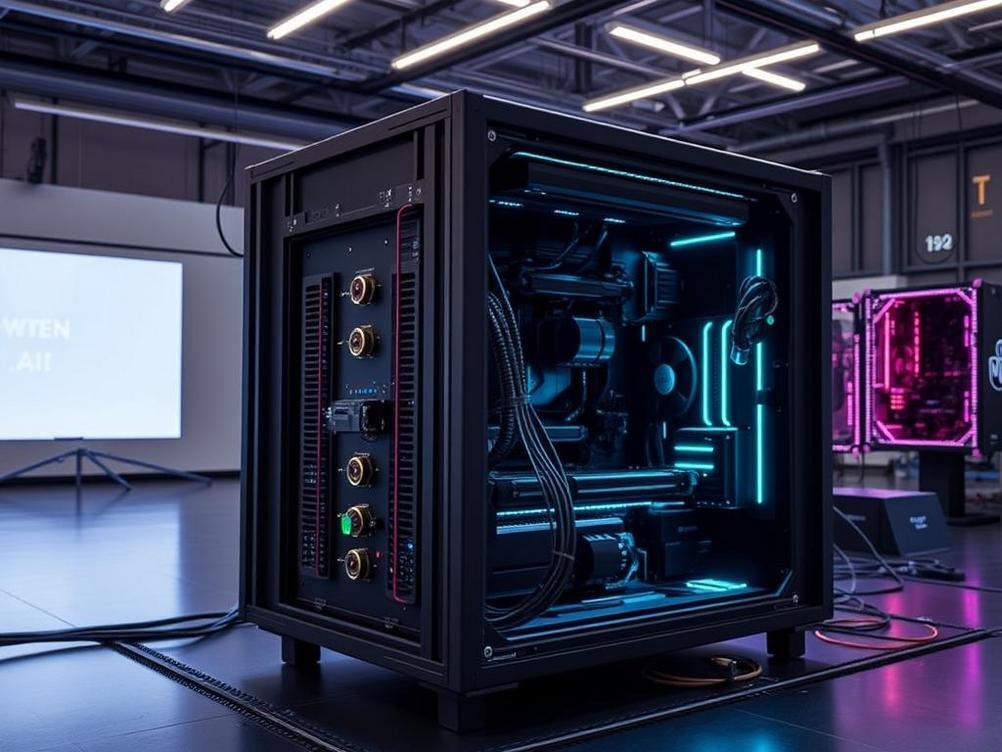
Alright, let’s talk about Dell specifically. They’re not just sitting around twiddling their thumbs; oh no, they’ve been busy reinventing themselves. Remember when Dell was synonymous with affordable PCs? Well, now they’re diving headfirst into AI integration, partnering with companies like Microsoft to enhance their edge computing solutions. It’s like Dell’s saying, ‘Hey, we can do more than just build boxes—we can make them smart.’ For example, their PowerEdge servers now come with built-in AI accelerators, which help businesses run machine learning models without breaking a sweat. This shift isn’t easy, though; it means investing billions in R&D and retraining employees, but if they pull it off, Dell could emerge as a key player in the AI infrastructure game.
What’s really interesting is how these adaptations are trickling down to everyday users. Take Dell’s XPS line of laptops—they’re incorporating AI for better battery life and smarter cooling systems. It’s almost like your computer has a brain of its own, deciding when to ramp up performance for that big video edit or chill out during idle time. But let’s add a dash of humor: Imagine if your laptop started talking back, saying, ‘Nah, I’m not in the mood for that spreadsheet today.’ That’d be wild, right? In all seriousness, Dell’s moves are smart because they’re aligning with market demands for hybrid work setups, where AI helps seamless collaboration. If you’re running a small business, this could mean more reliable tools that save you time and money.
One more thing: Dell’s emphasis on sustainability ties into AI adaptation. With AI gobbling up energy, Dell’s launching eco-friendly initiatives, like their use of recycled materials in products. It’s a win-win—good for the planet and good for their brand image. For more on Dell’s partnerships, check out their official site.
Market Challenges: What Dell is Up Against
Every hero has a villain, and for Dell, the market challenges are piling up like unanswered emails. AI’s rise means increased competition from specialized AI firms, like those focusing solely on chips or software. Dell, being a hardware heavyweight, has to prove it can play in this software-heavy world without losing its edge. Supply chain disruptions—remember the chip shortages a couple of years back?—are still lurking, making it tougher for Dell to deliver products on time. It’s like trying to build a sandcastle during high tide; one wrong wave, and poof, it’s gone. Plus, with economic uncertainty in 2025, businesses are tightening their budgets, which hits Dell’s enterprise sales hard.
Then there’s the stock market angle. Dell’s shares have been on a wild ride, influenced by AI hype and broader tech trends. Analysts point to fluctuations tied to big events, like AI conferences or earnings reports. For instance, when OpenAI drops a new model, it ripples through the industry, affecting companies like Dell indirectly. But here’s where it gets intriguing: Dell’s pivoting to services, offering AI consulting alongside hardware, which could stabilize their revenue streams. Think of it as Dell saying, ‘We’re not just selling you a server; we’re helping you use it to crush your goals.’ If you’re an investor, this is worth watching, as it might turn challenges into opportunities.
- Common pitfalls: Over 60% of businesses struggle with AI integration due to skills gaps, per a Gartner report.
- Competitive landscape: Players like Cisco are encroaching on Dell’s turf with their own AI networking solutions.
- Consumer impact: These shifts could lead to higher prices for AI-enhanced devices, so keep an eye on your wallet.
Real-World Examples: AI in Action with Dell
Let’s make this real—because who wants theory when you can see AI at work? Take healthcare, for example; Dell’s partnering with hospitals to use AI-powered servers for analyzing medical data faster than a doctor chugging coffee. It’s saving lives by spotting patterns in scans that humans might miss. Or in retail, where Dell’s tech helps stores predict inventory needs using AI, cutting down on waste and boosting profits. It’s like having a crystal ball, but one that’s backed by data. These examples show how Dell’s adaptations are creating tangible value, not just buzzwords.
Humor me for a second: Picture a Dell server in a data center, working overtime like a barista during rush hour, serving up AI insights without spilling a drop. In manufacturing, Dell’s AI tools are optimizing assembly lines, reducing errors by up to 30%, according to industry stats. If you’re in education, think about how AI-enhanced Dell devices could personalize learning for students—adapting lessons in real-time. For deeper dives, sites like Gartner have great resources on AI applications.
The Impact on Consumers and Businesses
At the end of the day, all this AI jazz affects you and me directly. For consumers, Dell’s AI-infused products mean devices that are smarter, more efficient, and sometimes even funnier—if you count those quirky error messages. Businesses, on the other hand, are seeing productivity skyrocket, but it’s not without risks like data privacy concerns. Dell’s got to balance innovation with security, ensuring their AI doesn’t turn into a headache. It’s a bit like walking a tightrope—thrilling, but one misstep, and ouch.
From a business perspective, companies using Dell’s AI solutions are reporting better decision-making. A study from McKinsey suggests AI could add $13 trillion to the global economy by 2030. That’s massive! For consumers, it might mean affordable AI laptops that handle video calls flawlessly, even in a patchy Wi-Fi spot. But let’s not gloss over the downsides; job displacement is a real fear, though Dell’s pushing for upskilling programs to ease that transition.
Future Predictions: What’s Next for Dell in the AI Era
Looking ahead, I predict Dell’s going to thrive if they keep innovating. By 2027, we might see AI as standard in all their products, making everything from desktops to cloud services seamless. It’s like Dell’s gearing up for a marathon, not a sprint, with investments in quantum computing partnerships. Who knows, they could even lead in ethical AI, focusing on bias-free algorithms. That’d be a game-changer in a world obsessed with fairness.
Of course, there are bumps—regulations around AI are tightening, which could slow things down. But Dell’s adaptability might just make them a frontrunner. If you’re betting on tech stocks, keep an eye on how Dell navigates this; it could be lucrative. Resources like Statista offer projections that paint an optimistic picture.
Conclusion
Wrapping this up, the story of Dell Technologies in the age of AI is one of transformation and resilience. From adapting to market shifts to embracing new tech, Dell’s journey shows that even established players can reinvent themselves. It’s inspired me to think about how AI isn’t just changing companies—it’s reshaping our daily lives, making things more efficient and, dare I say, a little more magical. So, whether you’re a Dell fan or just curious, keep an eye on these developments. Who knows? The next big AI breakthrough might just come from them, and it could make your world a whole lot better. Let’s stay excited about what’s next in tech—after all, in 2025, the future is now.