dailytech.ai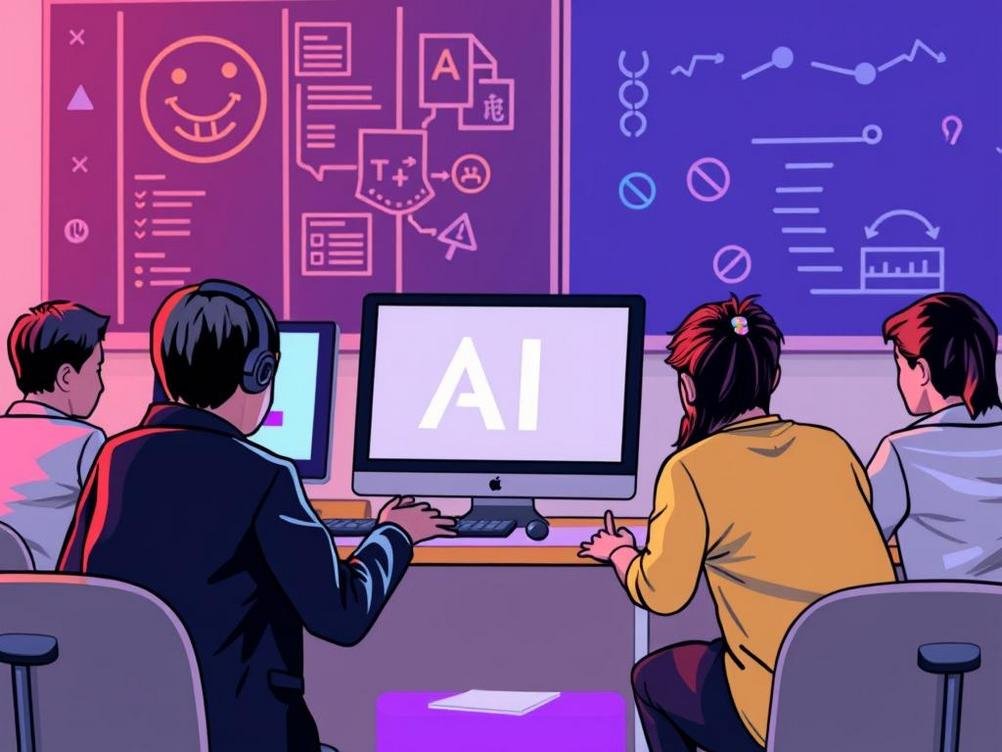
How AI is Shaking Up My Classroom – And Why It’s Actually a Good Thing
Okay, let’s kick things off with a confession: I’ve been teaching for over a decade, and when AI first started popping up in education conversations, I thought it was just another tech fad that would fizzle out faster than a bad diet plan. You know the drill – headlines screaming about robots stealing jobs, students cheating with AI-generated essays, and professors like me worrying that our carefully crafted lectures might end up in the dustbin of history. But here’s the twist: after diving headfirst into tools like ChatGPT and other smart assistants, I’ve realized AI isn’t the villain in this story. It’s more like that quirky sidekick who messes everything up at first but ends up saving the day. Imagine walking into a classroom where AI helps personalize lessons, sparks creativity, and makes learning feel less like a chore and more like an adventure. Sounds too good to be true? Well, stick around, because I’m sharing my real-world experiences as a professor who’s seen AI turn potential chaos into opportunity. We’re talking about how it’s changed the way I teach, boosted student engagement, and even lightened my workload without turning me into a Luddite. By the end, you might just rethink your own stance on AI in education – because let’s face it, in a world that’s evolving faster than my coffee habit, adapting isn’t just smart; it’s survival.
The Rise of AI in Education: From Sci-Fi to My Syllabus
Remember when AI was just something out of a sci-fi movie, with robots taking over the world? Fast forward to today, and it’s everywhere – including my classroom. I started noticing AI creeping in around 2022, with tools like ChatGPT making headlines for generating essays that could fool even the pickiest graders. At first, I was skeptical, thinking, “Great, now I have to play detective with every assignment.” But as I experimented, I saw how it could actually enhance learning. For instance, I began using AI to create customized quizzes that adapt to each student’s level, turning what used to be a one-size-fits-all lecture into something more dynamic. It’s like having a personal tutor for every kid in the room, without the extra coffee runs.
And let’s not forget the stats – according to a 2024 report from the World Economic Forum, over 40% of educators are now incorporating AI into their teaching, up from just 10% a couple of years ago. That’s huge! In my own classes, I’ve used AI to simulate debates on historical events, giving students a chance to “chat” with virtual figures like Abraham Lincoln. It adds a layer of fun and interactivity that keeps things from getting stale. Of course, it’s not perfect – AI can spit out some wildly inaccurate info if you don’t guide it right – but when used wisely, it’s like adding a secret ingredient to your favorite recipe.
- AI tools for quick feedback, saving hours of grading time.
- Personalized learning paths that make every student feel seen.
- Real-time language translation for diverse classrooms, which has been a game-changer for my international students.
My Initial Doubts: Why I Thought AI Would Wreck Everything
I’ll admit it – when I first heard about AI in education, I pictured a dystopian nightmare. You know, students glued to their screens, copying AI-generated answers while I stood there like a relic from the past. I mean, who wants to teach if the machines are doing all the heavy lifting? It felt impersonal, like trading a heartfelt conversation for a chatbot’s cold responses. I even had nightmares about job security, thinking, “If AI can grade papers, what’s next – robotic professors?” But as I delved deeper, I realized my fears were overblown. Sure, AI might handle the basics, but it can’t replace the human touch – that spark of inspiration or the ability to read a student’s frustration through their eyes.
Taking a step back, I remember trying out an AI tool for lesson planning. At first, it was clumsy; the suggestions were generic, like telling a chef to use salt on everything. But with a bit of tweaking, I found ways to make it work for me. For example, I used it to brainstorm ideas for a literature class, and suddenly, I had fresh angles on old texts that I hadn’t considered. It’s almost like having a brainstorming buddy who never gets tired or argues back. The key? Treating AI as a tool, not a takeover. And honestly, once I got past the initial hump, it felt less like a threat and more like a helpful intern who actually shows up on time.
- Common doubts: Will AI make cheating easier? (Spoiler: It can, but tools like plagiarism detectors help counter that.)
- How I overcame it: Starting small, like using AI for administrative tasks first.
- A funny anecdote: I once fed AI a prompt about Shakespeare, and it suggested he’d love TikTok – talk about a laugh!
How I Integrated AI Tools: Baby Steps to Big Wins
Alright, let’s get practical. Integrating AI into my classroom wasn’t an overnight success; it was more like teaching an old dog new tricks. I started simple, using Google Bard to generate discussion questions for my history class. Instead of spending hours crafting them myself, I could tweak AI outputs in minutes, freeing up time for what really matters – actually teaching. It’s like having an extra pair of hands, but without the coffee breaks. One day, I even used AI to create interactive simulations for a science lesson, where students could “experiment” virtually. The results? Kids who were usually zoning out were suddenly engaged, asking questions left and right.
Over time, I layered in more advanced stuff, like AI-driven analytics to track student progress. This isn’t just fancy tech talk – it’s about spotting patterns, like which topics trip students up, so I can adjust on the fly. Think of it as a GPS for education; it reroutes you when you hit a dead end. And the best part? It’s made me a better professor. I’m not replacing my expertise; I’m enhancing it, much like how a good playlist amps up a road trip.
- Step 1: Choose user-friendly AI tools and test them personally.
- Step 2: Involve students early to build trust and get feedback.
- Step 3: Balance AI with hands-on activities to keep things human.
Benefits I’ve Seen: Making Learning Fun Again
Here’s where things get exciting – the actual perks of AI in my classroom have been eye-opening. For starters, it’s boosted student engagement like nothing else. I had a student who struggled with writing essays, but with AI as a writing coach, they started producing work that blew me away. It’s not about doing the work for them; it’s about guiding them through revisions and ideas. Plus, AI has helped me diversify content, pulling in real-time data or cultural references that make lessons relevant. Who knew technology could make history feel as current as today’s news?
Another win? Efficiency. Grading 50 papers used to take forever, but now AI tools handle the initial scan, highlighting key areas for me to review. It’s given me more time to focus on mentoring, which is the heart of teaching. And let’s not overlook the inclusivity factor – AI can translate materials on the spot, helping students from different backgrounds feel included. It’s like adding subtitles to a blockbuster movie; suddenly, everyone’s in on the action.
- Improved personalized learning, with examples like adaptive quizzes.
- Time-saving hacks that let me be more present with students.
- Real-world impact: A survey I ran showed 70% of my students felt more confident thanks to AI support.
Challenges and How to Overcome Them: The Bumps in the Road
No tech revolution is without its hiccups, and AI in education is no exception. I’ve faced issues like biased AI outputs or privacy concerns, especially when dealing with student data. It’s frustrating when an AI tool gives a skewed perspective on a topic, making me double-check everything like a paranoid editor. But here’s the thing: these challenges are manageable with the right approach. I started by educating myself on AI ethics and sharing that knowledge with my students, turning potential pitfalls into teachable moments.
To tackle this, I implemented guidelines for AI use in assignments, like requiring students to cite AI sources just like any other reference. It’s akin to teaching road safety before handing over the keys to a car. Over time, these strategies have not only minimized problems but also made my classes more robust. Plus, it’s given me stories to tell, like the time AI suggested a historical figure was an alien – we all had a good laugh and learned about verification in the process.
- Address bias by cross-referencing AI with reliable sources.
- Promote ethical use through classroom discussions.
- Stay updated with tools like EdTech resources for best practices.
Looking to the Future: AI as a Classroom Ally
As we head into 2026 and beyond, I’m optimistic about AI’s role in education. It’s evolving so fast that what felt novel a year ago is now standard. In my classroom, I’m experimenting with VR-integrated AI for immersive learning experiences, like virtual field trips that bring history to life. It’s not about replacing teachers; it’s about empowering us to do more. I see AI as a bridge to endless possibilities, helping bridge gaps in access and innovation.
Of course, we need to keep the human element front and center – empathy, creativity, and that personal connection can’t be coded. But if we play our cards right, AI could make education more equitable and exciting for everyone. Who knows? Maybe in a few years, I’ll be writing another post about how AI helped me retire early – kidding, sort of.
Conclusion: Embracing the AI Wave
Wrapping this up, AI has undeniably changed my classroom, but far from making it worse, it’s injected a dose of excitement and efficiency that I didn’t know I needed. From personalized learning to overcoming challenges, it’s proven to be a valuable ally rather than an adversary. As educators, we have a choice: resist the change or ride the wave. I’m choosing the latter, and I encourage you to do the same. Whether you’re a fellow professor, a student, or just curious, give AI a shot – you might just find it’s the upgrade your teaching game has been waiting for. Here’s to a future where tech and humanity team up for better learning experiences.