How IIHM’s AI-LEAP is Making AI Literacy Fun and Accessible in India
How IIHM’s AI-LEAP is Making AI Literacy Fun and Accessible in India
Ever wondered if AI is just that smart assistant on your phone or something way bigger, like the secret sauce behind Netflix recommendations or even those creepy deepfakes that go viral? Well, let me tell you, it’s both—and so much more. We’re living in a world where AI is basically everywhere, from helping doctors spot diseases early to powering your favorite social media algorithms. But here’s the kicker: in a country like India, with its massive population and booming tech scene, not everyone is in on the fun yet. That’s where IIHM steps in with their shiny new AI-LEAP program, aiming to democratize AI education and make sure no one gets left behind in this digital rush. Launched recently, AI-LEAP isn’t just another course; it’s a full-on initiative to build AI literacy from the ground up, targeting students, professionals, and even everyday folks who want to get savvy without feeling overwhelmed. Picture this: imagine turning what could be dry tech lectures into interactive workshops that feel more like a fun game night. IIHM, known for their expertise in hospitality management, is flipping the script by blending AI into practical, real-world applications. As someone who’s dabbled in AI projects myself, I can say this is a game-changer for India’s future—and yeah, it’s about time we all got on board. So, stick around as we dive into why AI literacy matters, how IIHM is leading the charge, and what this means for you and me in the long run. Trust me, by the end, you might just want to sign up yourself!
What Exactly is AI-LEAP and Why Should You Care?
First off, let’s break down what AI-LEAP actually is. It’s an acronym for AI Literacy Enhancement and Application Program, rolled out by the Indian Institute of Hotel Management (IIHM) to promote AI education across India. Think of it as a bridge between the tech world and regular people, making complex concepts like machine learning and neural networks as approachable as your morning coffee. IIHM isn’t new to innovation—they’ve been training hospitality pros for years—but this launch shows they’re adapting to the AI wave, especially in sectors like tourism and food service where AI can optimize everything from customer service chatbots to predictive analytics for hotel bookings.
Why should you care? Well, in a country where AI is projected to add trillions to the economy by 2035—according to reports from Nasscom—being AI-illiterate is like trying to navigate Mumbai traffic without a GPS. It’s not just about landing a high-paying job; it’s about understanding how AI influences your daily life, from personalized ads to healthcare apps. AI-LEAP aims to fix that gap by offering free and affordable modules that cover basics like ethical AI use and advanced topics like data privacy. And here’s a fun twist: the program includes hands-on sessions, like building simple AI models with tools such as Google’s Teachable Machine (teachablemachine.withgoogle.com), which lets you train a model to recognize objects using just your webcam. It’s playful, engaging, and way less intimidating than traditional coding bootcamps.
- Key features include interactive online courses and workshops.
- It targets diverse groups, from school kids to working professionals.
- The program emphasizes real-world applications, like using AI for sustainable practices in hospitality.
The Burning Need for AI Literacy in India Right Now
Let’s face it, India is exploding with tech talent, but not everyone’s got equal access to AI knowledge. We’ve got IT giants like Infosys and Tata Consultancy Services churning out innovations, yet millions in rural areas or even urban slums are still scratching their heads over what AI even means. It’s like having a Ferrari in the garage but no idea how to drive it. According to a 2024 report by the World Economic Forum, India needs to upskill over 50 million people in AI by 2025 to keep pace with global demands— that’s a huge number, right? AI-LEAP steps in as a timely solution, focusing on making education inclusive and localized, with content available in regional languages.
What’s driving this need? Globalization, for one. As companies like Amazon and Flipkart use AI to personalize shopping experiences, consumers need to understand the ethics behind it—think data breaches or biased algorithms. Plus, with AI potentially automating jobs in fields like customer service, getting literate could mean the difference between getting ahead or falling behind. I’ve seen friends in the hospitality industry lose gigs to chatbots, but those who learned AI basics pivoted to managing those bots instead. AI-LEAP addresses this by incorporating case studies, like how hotels use AI for energy efficiency, saving costs and the planet in the process.
- Bridging the urban-rural divide in tech education.
- Preparing the workforce for AI-driven disruptions.
- Promoting ethical AI to combat misinformation.
How IIHM is Leading the Charge with Innovative Approaches
IIHM isn’t just talking the talk; they’re walking it with AI-LEAP. What makes this program stand out is its blend of hospitality expertise and tech savvy—imagine learning AI while planning a virtual hotel event. They’ve partnered with organizations like NASSCOM and even global players to create a curriculum that’s practical and fun. For instance, participants might use AI tools to analyze customer feedback, turning raw data into actionable insights. It’s like turning a boring spreadsheet into a treasure map.
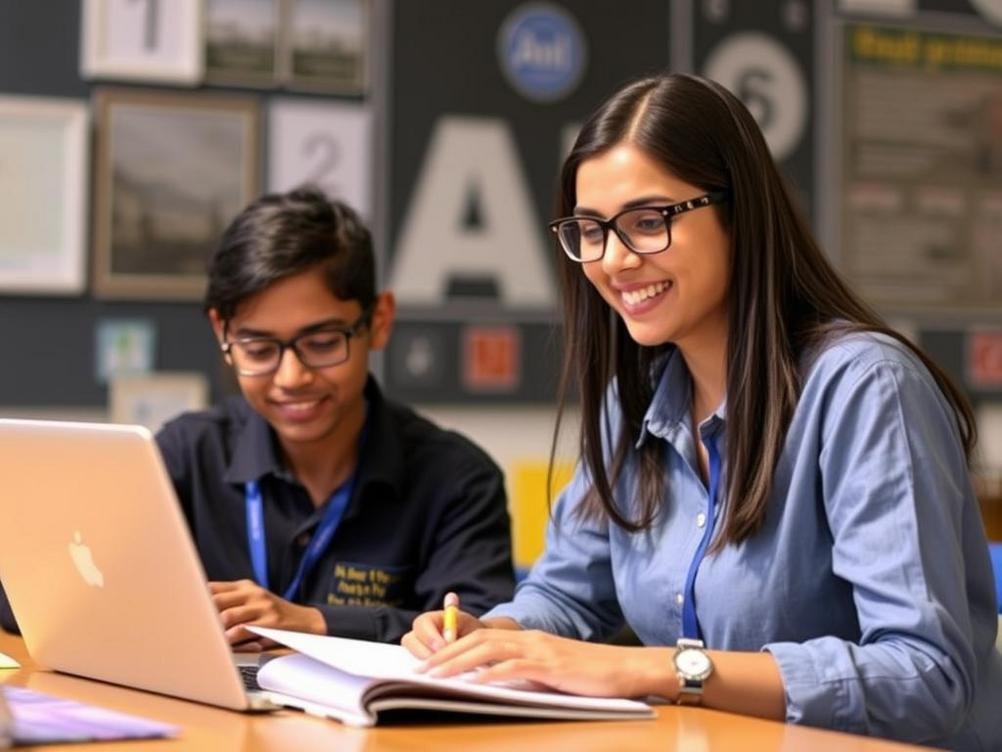
Humor me for a second: if AI was a recipe, IIHM is the chef making it accessible. They’re offering webinars, hackathons, and even certification programs that don’t require a computer science degree. And let’s not forget the community aspect—AI-LEAP encourages group projects, fostering collaboration much like a family dinner where everyone chips in. This approach not only builds skills but also networks, which is gold in today’s job market.
The Real Benefits: How AI Education Can Transform Lives
Diving deeper, the perks of programs like AI-LEAP are endless. For individuals, it’s about unlocking career opportunities—think data scientists earning top dollar or entrepreneurs using AI for business growth. In India, where startups are booming, knowing AI can give you that edge, like adding rocket fuel to your ideas. Plus, it’s empowering on a personal level; imagine teaching your kids about AI so they don’t grow up fearing it as some sci-fi monster.
On a broader scale, society wins too. AI literacy can drive innovation in healthcare, education, and even agriculture. For example, AI-powered apps are already helping farmers predict weather patterns, boosting yields by up to 20% in some regions. AI-LEAP amplifies this by including modules on sustainable AI, ensuring we’re not just tech-savvy but also responsible. It’s like planting seeds for a smarter future—one that benefits everyone, not just the elite.
- Personal growth through skill-building and confidence.
- Economic benefits, like higher employability rates.
- Social impact, such as reducing inequality in tech access.
Real-World Examples and Inspiration from AI Success Stories
To make this real, let’s look at some stories. Take the case of a small hotel chain in Kerala that used AI-LEAP training to implement chatbots for guest inquiries, cutting response times by half and boosting customer satisfaction. Or consider how students in IIHM’s pilot programs have created AI models to optimize menu suggestions based on dietary preferences—it’s like having a personal chef in your pocket. These aren’t just hypotheticals; they’re happening now, showing how AI literacy translates to tangible results.
And globally, we’ve got examples like Singapore’s AI education initiatives, which IIHM draws inspiration from. They’re adapting those ideas to an Indian context, making it relatable. Remember, AI isn’t just for coders; it’s for anyone curious enough to learn. If a guy like me, who once thought algorithms were just math magic, can get excited about it, so can you.
Challenges on the Road and How to Tackle Them
Of course, it’s not all smooth sailing. Barriers like limited internet access or outdated infrastructure can make AI education tough, especially in remote areas. But IIHM’s AI-LEAP is smart about this, offering offline resources and mobile-friendly content. It’s like building a bridge over a river instead of waiting for the water to dry up. Another hurdle is the fear factor—many people worry AI will steal jobs, but programs like this show how it creates new ones, like AI ethicists or trainers.
To overcome these, collaboration is key. IIHM is teaming up with government bodies and private sectors to scale up, much like how public-private partnerships fueled India’s vaccine drive. With a bit of humor, think of challenges as plot twists in a movie—they make the story more interesting, not impossible.
The Future of AI in India: Bright Horizons Ahead
Looking forward, AI-LEAP could be the spark that lights up India’s AI revolution. With initiatives like this, we’re on track to become a global AI hub, rivaling places like Silicon Valley. Imagine a future where AI helps solve big issues, like climate change or poverty, all starting from grassroots education. IIHM’s launch is just the beginning, paving the way for more programs and innovations.
As tech evolves, staying updated is crucial. AI-LEAP encourages lifelong learning, with resources linked to platforms like Coursera (coursera.org) for further exploration. It’s exciting to think about the possibilities—maybe your kid becomes the next AI whiz kid!
Conclusion
Wrapping this up, IIHM’s AI-LEAP is more than just a program; it’s a bold step toward making AI literacy a reality for all Indians. We’ve covered why it’s needed, how it’s being implemented, and the exciting benefits it brings. In a world that’s increasingly AI-driven, getting on board now means seizing opportunities and shaping a brighter future. So, whether you’re a student, a professional, or just curious, dive in—your future self will thank you. Let’s cheer on initiatives like this and keep the conversation going; after all, the best stories are the ones we write together.