dailytech.ai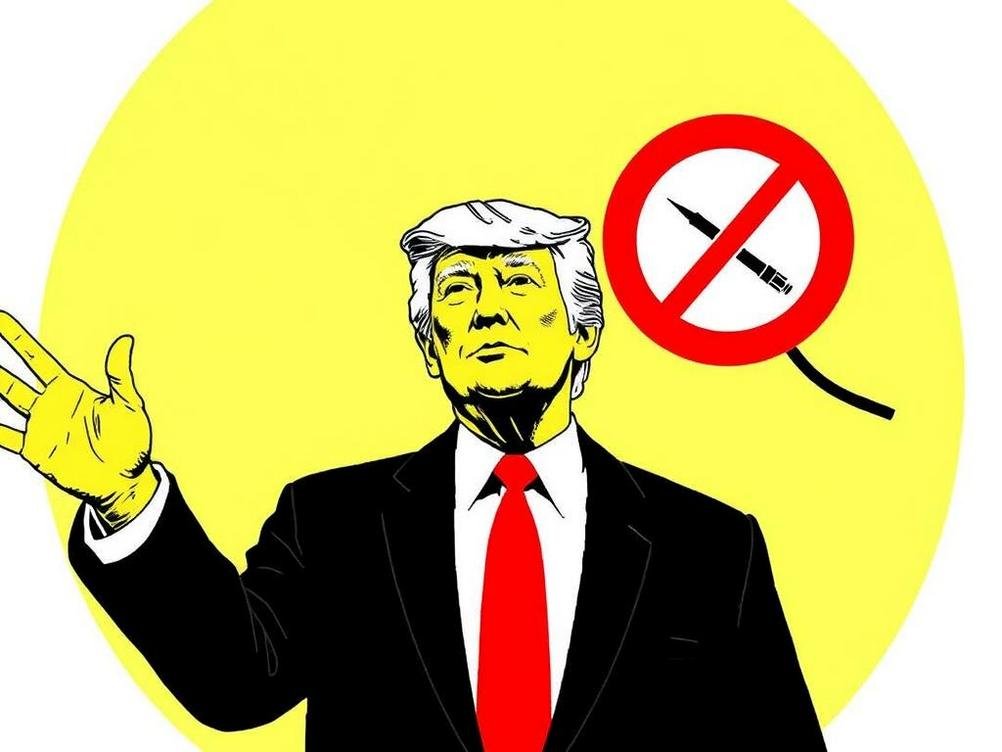
Why Illinois Is Pushing Back on Trump's AI Limits – And What It Means for Us
Imagine this: You're tinkering with the latest AI gadget, maybe something that helps you sort your emails or whip up dinner ideas, when suddenly, politics crashes the party. That's basically what happened when former President Trump dropped an executive order aimed at curbing AI regulations back in his term. Now, fast-forward to today, and Illinois leaders are digging in their heels, saying they won't back down. It's like watching a classic standoff in a Western movie, but instead of cowboys, we've got lawmakers and tech wonks duking it out over how much we should let AI run wild. This isn't just about bureaucracy; it's about protecting jobs, privacy, and even our funny cat videos from getting messed up by unchecked algorithms. I mean, who wants their search results biased because some big tech firm decided to play fast and loose with the rules?
As we sit here in late 2025, with AI woven into everything from your smart fridge to healthcare apps, the debate over regulation feels more urgent than ever. Trump's order, which essentially tried to limit federal oversight and let innovation take the wheel, has sparked backlash from states like Illinois. They argue that without proper checks, we could end up with AI disasters—like biased hiring tools or privacy breaches that make you think twice about sharing your data. It's a reminder that AI isn't some sci-fi fantasy; it's real life, affecting how we work, play, and even vote. So, let's unpack this mess with a bit of humor and a lot of insight, because if Illinois won't back down, maybe it's time we all paid attention. After all, who knows what's next—robots taking over our jobs or just making them a tad easier? Stick around as we dive into the nitty-gritty of this AI showdown.
What Was Trump's Order All About, Anyway?
Okay, let's rewind a bit. Trump's executive order from a few years back was basically his way of saying, 'Hey, AI, go wild and innovate without all these pesky rules holding you back.' It aimed to reduce federal regulations, arguing that too much red tape could stifle growth in a field that's exploding faster than a viral TikTok dance. But here's the catch—it wasn't just about freeing up tech companies; it raised eyebrows over potential risks like data privacy lapses or AI systems that could discriminate without anyone noticing.
Think of it like giving a kid the keys to a sports car without teaching them to drive. Sure, they might zoom around and have fun, but what if they crash into something important? Critics pointed out that without strong oversight, AI could exacerbate inequalities, especially in areas like employment or lending. For instance, if an AI algorithm decides who gets a loan based on flawed data, it could leave certain communities in the dust. Illinois leaders aren't having it, seeing this as a direct threat to state-level protections they've been building.
To break it down, here's a quick list of what the order entailed:
- It pushed for lighter federal reviews on AI development, encouraging agencies to avoid overregulation.
- It emphasized promoting American innovation over global standards, which some saw as isolationist.
- It left room for private sector influence, potentially letting big players like Google or Microsoft call more shots.
It's almost comical how these policies flip-flop with each administration, isn't it? One day we're all about freedom, the next we're scrambling to fix the mess.
Illinois' Feisty Response: Standing Up for the Little Guy
Enter Illinois, the state that's basically saying, 'Not in our backyard!' Their leaders have been vocal about maintaining their own AI regulations, arguing that Trump's order undermines local efforts to protect consumers. It's like they're the tough neighborhood watch, keeping an eye out while the feds take a nap. For context, Illinois has laws like the Artificial Intelligence Video Interview Act, which ensures fairness in job interviews using AI—stuff that could get watered down if federal rules loosen up.
What's driving this? Well, it's not just politics; it's about real people. Take, for example, how AI is used in hiring. If unchecked, algorithms might favor certain demographics, leading to what experts call 'algorithmic bias.' A study from a few years ago by the AI Now Institute showed that facial recognition tech often misidentifies people of color, which could spell disaster in employment or even law enforcement. Illinois is pushing back by insisting on transparency and accountability, refusing to let federal directives override state protections.
If you ask me, it's a smart move. Here's why, in a nutshell:
- It keeps AI developers honest, forcing them to test and tweak their systems before rollout.
- It empowers states to adapt rules to their unique needs, like Illinois' diverse population.
- It sets a precedent for other states, potentially creating a patchwork of regulations that could evolve into better national standards.
Humor me here—who knew AI regulation could turn into a game of regulatory Jenga?
The Wider World of AI Regulation: Why It Matters Beyond Politics
Zoom out a bit, and you'll see that this isn't just a spat between Illinois and Washington; it's part of a global conversation on AI governance. Countries like the EU have already rolled out strict rules with their AI Act, which mandates risk assessments for high-stakes AI uses. That's a comprehensive framework that even includes bans on certain AI applications, like social scoring systems. In contrast, Trump's order felt more like a free-for-all, which has left many scratching their heads.
The stakes are high because AI is everywhere now—in your doctor's office predicting diseases or your car's software avoiding accidents. Without balanced regulation, we risk everything from misinformation campaigns to environmental blunders. I once heard a buddy complain about how his AI-powered fitness app kept suggesting workouts based on outdated data, making him pull a muscle. It's small fries compared to bigger issues, but it highlights why oversight is key.
Let's not forget the economic side. According to a report from McKinsey, AI could add up to $13 trillion to the global economy by 2030, but only if we handle it right. That means regulations that foster innovation while preventing catastrophes, like the kind Illinois is championing.
Pros and Cons: Is Limiting AI Regulation a Good Idea?
Alright, let's play devil's advocate. On one hand, Trump's order had some merits—it aimed to cut through the bureaucracy so startups could innovate without waiting for endless approvals. Imagine if every new app had to jump through hoops; we might still be waiting for things like ChatGPT to hit the scene. Proponents argue that overregulation could kill creativity, stifling the very tech that's revolutionizing our lives.
But on the flip side, it's like letting kids play with matches. Without rules, AI could lead to ethical nightmares, such as deepfakes that sway elections or automated weapons making decisions on their own. Illinois leaders point to examples like the Cambridge Analytica scandal, where data misuse influenced politics, as reasons why we can't afford to relax. It's a balancing act, really, and states like Illinois are trying to tip the scales toward safety.
To weigh it out, consider these points:
- Pros: Faster innovation, more jobs in tech hubs, and global competitiveness.
- Cons: Increased risks of bias, privacy breaches, and unequal access to AI benefits.
- Middle Ground: Hybrid approaches, like voluntary standards from organizations such as the Partnership on AI, which promote ethical development.
At the end of the day, it's about not throwing the baby out with the bathwater.
Real-World Ripples: How This Affects You and Me
Here's where it gets personal—AI isn't some abstract concept; it's in our pockets, cars, and even our coffee makers. If Illinois holds firm, it could influence how AI shapes daily life, from job applications to healthcare. For instance, in education, AI tools are helping personalize learning, but without regulation, they might perpetuate inequalities based on biased data sets.
Take healthcare as another example. AI is diagnosing diseases faster than ever, but Trump's order could loosen safeguards, leading to errors that cost lives. A 2023 study from the World Health Organization warned that poorly regulated AI in medicine could widen health disparities. Illinois' stance might push for better audits, ensuring that tools like AI-powered radiology software are accurate and fair.
And let's not overlook the fun stuff. AI in entertainment, like generating scripts or music, could go haywire without oversight, flooding us with low-quality content. It's why I always say, regulations aren't buzzkills—they're the unsung heroes keeping our digital world from turning into a bad sequel.
What's on the Horizon for AI Policy?
Looking ahead to 2026 and beyond, the AI regulation landscape is anything but settled. With Biden's administration having pivoted toward more robust oversight, states like Illinois might find allies in federal efforts. But if history's any guide, expect more twists, like court battles or international agreements that could redefine the rules.
For everyday folks, this means staying informed and maybe even getting involved—join advocacy groups or push for local policies. After all, if AI's going to shape our future, we should have a say in how it's built. Who knows, maybe Illinois' stand will inspire a nationwide movement, turning this from a regional rumble into a full-on policy revolution.
In the meantime, keep an eye on developments from sources like the Brookings Institution, which tracks AI policy trends.
Conclusion: Time to Get in the Game
Wrapping this up, the clash between Illinois leaders and Trump's AI order is more than just political theater—it's a wake-up call for all of us. We've seen how unchecked tech can lead to real problems, but with the right balance, AI could be a game-changer for good. Illinois standing firm reminds us that innovation without responsibility is like driving without brakes—exciting at first, but potentially disastrous.
As we move forward, let's push for smarter regulations that protect our rights while fostering progress. Whether you're a tech enthusiast or just someone trying to navigate this digital world, remember: your voice matters. So, stay curious, stay engaged, and who knows—maybe you'll be the one shaping the next big AI policy. Here's to hoping it's as entertaining as a good Netflix binge, without the plot twists that leave us hanging.