 dailytech.ai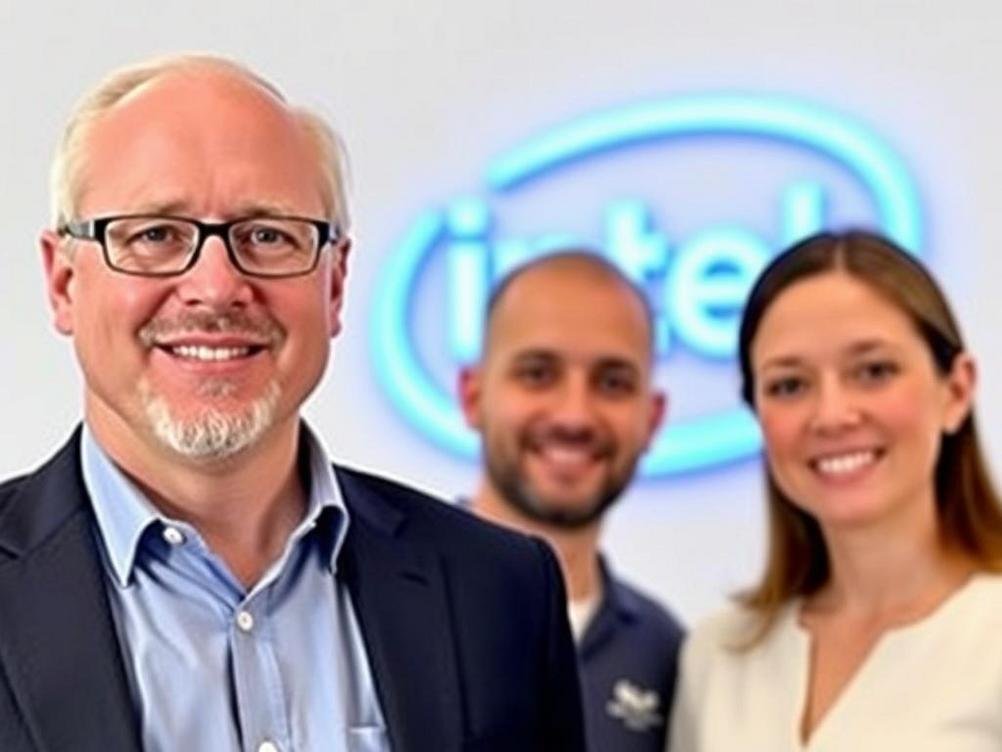
Intel’s AI Drama: CEO Steps In as Key Exec Bolts to OpenAI
Picture this: You’re running a massive tech giant like Intel, and suddenly one of your top guns decides to pack up and join the hottest AI party in town—OpenAI. That’s exactly what’s happening right now, and it’s got the whole industry buzzing. Intel’s CEO, Pat Gelsinger, is rolling up his sleeves to personally oversee the company’s AI initiatives after a key executive made the jump to Sam Altman’s crew. It’s like the captain grabbing the wheel during a storm, isn’t it? This move comes at a time when AI is exploding faster than a viral TikTok dance, and Intel’s been trying to catch up after years of playing second fiddle to Nvidia in the chip game. But hey, with OpenAI poaching talent left and right, it’s no surprise folks are jumping ship for what feels like the future. In this article, we’ll dive into what this means for Intel, why execs are flocking to AI startups, and whether Gelsinger can turn the tide. Stick around; it’s gonna be a wild ride through the world of corporate musical chairs in tech.
The Big Departure: Who’s Leaving and Why?
So, let’s get the scoop on this executive shuffle. The departing exec is none other than a high-profile figure from Intel’s AI division—rumors point to someone like a VP of AI strategy or similar, but details are still trickling in as of my writing this on a chilly November day in 2025. This isn’t just any job switch; it’s a leap from a hardware behemoth to the epicenter of generative AI. OpenAI, fresh off hits like ChatGPT, is like the cool kid’s table everyone wants to sit at. Why bail on Intel? Well, probably the allure of cutting-edge AI research without the bureaucratic hurdles of a massive corporation. It’s like trading a steady office job for a rockstar tour—exciting, but risky.
Industry watchers aren’t shocked. OpenAI has been on a hiring spree, snagging talent from Google, Meta, and now Intel. This exec’s move highlights a broader trend: AI is where the action is, and traditional chip makers like Intel are feeling the heat. Remember how Intel dominated PCs back in the day? Now, with AI demanding specialized chips, they’re scrambling to innovate. This departure could signal internal frustrations or just the pull of bigger opportunities. Either way, it’s a wake-up call for Intel to amp up its game.
Pat Gelsinger Takes Charge: A CEO’s Bold Move
Enter Pat Gelsinger, Intel’s CEO since 2021, who’s no stranger to the tech trenches. With a background that includes stints at EMC and VMware, he’s got the chops to navigate this. By stepping in to oversee AI efforts directly, Gelsinger is basically saying, “I’ve got this.” It’s a hands-on approach that could inject some much-needed energy into Intel’s AI strategy. Think of it as the coach subbing himself into the game—risky, but potentially game-changing.
What does this mean practically? Gelsinger will likely push for faster development of AI-optimized chips, like the Gaudi series, which are designed to compete with Nvidia’s dominance in data centers. He’s been vocal about Intel’s “AI everywhere” vision, aiming to embed AI capabilities into everything from edge devices to cloud servers. But with the exec gone, there might be a temporary leadership vacuum. Gelsinger’s involvement could stabilize things, drawing on his engineering roots to guide the team through uncharted waters.
Of course, not everyone’s convinced. Some analysts whisper that a CEO micromanaging could distract from broader company issues, like manufacturing delays or market share losses. But hey, in the fast-paced AI world, sometimes you need that top-level push to keep up.
Intel’s AI Journey: From Laggard to Contender?
Intel’s been playing catch-up in AI for a while now. Back in the 2010s, they missed the boat on mobile chips, and history seems to be repeating with AI accelerators. Nvidia’s CUDA ecosystem has locked in developers, making it tough for Intel to break in. But they’re not sitting idle—investments in Habana Labs and the OpenVINO toolkit show they’re serious about AI software and hardware integration.
This executive departure might actually be a blessing in disguise. It forces Intel to reassess and accelerate. Gelsinger has pledged billions into new fabs and R&D, aiming for U.S.-based manufacturing dominance. Imagine if Intel pulls off a comeback story like AMD did a few years back—rising from the ashes to challenge the giants. Stats from recent reports show AI chip market growing to $200 billion by 2030, per McKinsey, so there’s plenty of pie to go around if Intel plays its cards right.
Why OpenAI is a Talent Magnet
OpenAI isn’t just another startup; it’s the poster child for the AI boom. Founded in 2015, they’ve gone from research lab to household name, thanks to tools like DALL-E and GPT models. Their mission to ensure AGI benefits humanity sounds noble, but let’s be real—it’s also a goldmine for ambitious techies. Poaching from Intel? That’s like raiding the old guard for fresh blood.
What’s the draw? For one, the pace: At OpenAI, you’re working on bleeding-edge stuff that could change the world tomorrow. Contrast that with Intel’s more methodical approach. Plus, with investors like Microsoft pouring in cash, job security isn’t an issue. A funny aside: Remember when Elon Musk was involved? Now it’s all Altman, and the drama never stops—lawsuits, boardroom coups, you name it. It’s like a tech soap opera, and who wouldn’t want a front-row seat?
Broader implications? This talent drain could weaken established players like Intel, accelerating the shift toward specialized AI firms. But it also fosters innovation across the board.
The Bigger Picture: AI Talent Wars Heating Up
Zoom out, and you’ll see this is part of a massive AI talent war. Companies are offering insane salaries—think $1 million packages for top engineers, according to levels.fyi data. It’s not just about money; it’s culture, impact, and excitement. Intel losing an exec to OpenAI underscores how traditional tech is struggling to retain stars amid the AI hype.
How can incumbents fight back? Some are forming partnerships, like Intel’s collab with Google on AI chips. Others are upping their internal AI game with better perks or autonomy. But let’s face it, when OpenAI drops a bombshell like GPT-4, it’s hard not to feel the pull. This churn might lead to more cross-pollination of ideas, benefiting the industry overall.
Fun fact: Did you know that over 50% of AI PhDs end up at just a handful of companies, per a Stanford study? It’s a concentrated field, and moves like this only intensify that.
What This Means for Investors and the Market
For investors, this news might cause a blip in Intel’s stock—expect some volatility as the market digests the leadership change. But Gelsinger’s involvement could reassure shareholders that AI is a top priority. Long-term, if Intel nails its AI strategy, shares could soar. Remember, their market cap is around $100 billion as of late 2025, dwarfed by Nvidia’s trillion-dollar status, but with room to grow.
On the flip side, OpenAI’s gain bolsters their position, potentially speeding up advancements in models like o1 or whatever’s next. For the broader market, this highlights AI’s disruptive power—old giants must adapt or get left behind. If you’re investing, keep an eye on AI ETFs or stocks like INTC and MSFT (since they back OpenAI).
A humorous take: It’s like watching dinosaurs evolve wings in real-time. Some make it, some don’t—but the spectacle is entertaining.
Conclusion
Whew, what a rollercoaster in the world of AI and chips. Intel’s CEO stepping up after losing a key exec to OpenAI is more than just corporate gossip—it’s a snapshot of an industry in flux. Gelsinger has a chance to steer Intel toward AI greatness, but it’ll take innovation, speed, and maybe a bit of luck. For tech enthusiasts like us, it’s exciting to watch these titans clash and collaborate. If anything, this reminds us that in tech, change is the only constant. So, keep your eyes peeled for the next big move—who knows, maybe Intel will surprise us all. What do you think—will they catch up, or is the AI train leaving the station without them? Drop your thoughts in the comments!







Leave a Reply