dailytech.ai
Is AI Turning Your Workday into a Lonesome Adventure?
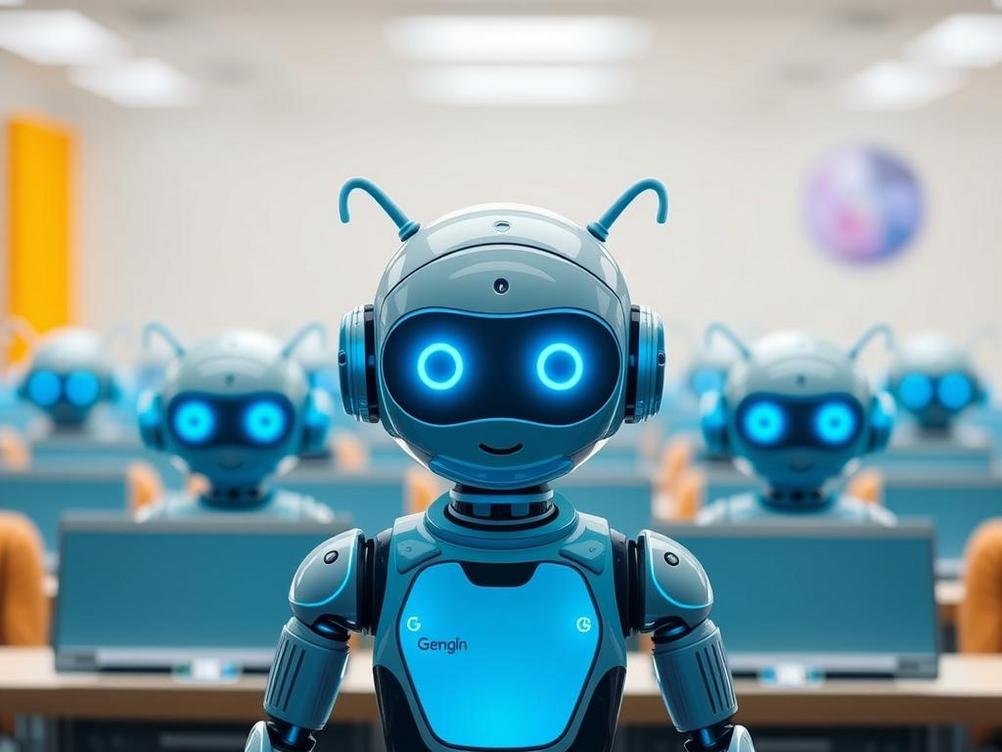
Picture this: You’re sitting at your desk, surrounded by buzzing screens and algorithms doing half your job, but somehow, the office feels emptier than a ghost town on a rainy day. Yeah, AI has swooped in like a futuristic superhero, promising to make everything faster and smarter, but have you ever stopped to wonder if it’s accidentally turning your workplace into a loneliness trap? We’re talking about that nagging feeling of isolation creeping in as robots take over chats, meetings, and even coffee breaks. It’s like AI is the ultimate multitasker, but in the process, it’s sidelining the human touch that makes work feel, well, human. I remember my first job after college – we’d huddle around the water cooler, sharing stories and laughs that kept the day going. Now, with AI handling everything from scheduling to small talk, it’s easy to feel like you’re just another cog in the machine. This isn’t some sci-fi horror story; it’s real life in 2025, where technology is brilliant but can leave you questioning if anyone’s got your back. Let’s dive into how AI is reshaping our work lives, for better or worse, and what we can do to keep the spark of connection alive. After all, who wants to high-five a computer screen?
In this chatty exploration, we’ll unpack the sneaky ways AI is dialing down on human interaction, share some eye-opening examples, and toss in a few laughs along the way. Think of it as your unofficial guide to navigating the AI jungle without losing your social sanity. We’ll look at everything from the rise of automated tools to real-world tales of folks fighting back against the isolation. By the end, you might just have a few tricks up your sleeve to make your workday a bit less lonely and a lot more fun. So, grab a coffee (the real kind, not the AI-recommended one), and let’s get into it – because if AI’s going to be our coworker, we might as well make friends with it without ditching our actual friends.
The Sneaky Rise of AI in Everyday Office Life
You know how AI started out as this cool gadget in movies, like that robot buddy who helps with chores? Well, fast-forward to today, and it’s everywhere in the office, from chatbots answering customer queries to software that predicts your next task. It’s efficient, sure, but it’s also quietly pushing people apart. I mean, think about it: When was the last time you had a spontaneous chat with a colleague because the AI handled all the boring stuff? That’s the problem – AI speeds things up, but it often skips the human element that makes work feel connected.
Take email automation, for instance. Tools like Gmail’s smart replies (from Google Workspace) can draft responses in seconds, which is great for saving time, but it turns conversations into quick, impersonal exchanges. It’s like texting your best friend with emojis only – efficient, but missing the warmth. And don’t even get me started on virtual assistants that schedule meetings without a peep; they’re handy, but they rob us of those hallway hellos that build relationships. The result? Workplaces that feel more like assembly lines than communities, where folks are glued to their screens instead of each other.
To put numbers on it, a recent survey from Gallup in 2024 found that about 40% of remote workers felt more isolated thanks to AI tools reducing the need for team calls. It’s not all doom and gloom, though. AI can be a bridge if we use it right, like when it frees up time for actual face-to-face chats. But left unchecked, it’s like inviting a quiet roommate who never joins in on game night – convenient, yet kinda lonely.
How AI is Quietly Sidelining Human Chats and Bonds
Let’s face it, AI doesn’t do small talk. While it’s brilliant at crunching data or automating reports, it can’t replicate the casual banter that turns coworkers into friends. Ever used a collaboration tool like Slack with AI integrations? It’s awesome for organizing projects, but when bots start suggesting responses or automating updates, you end up skipping the personal touch that makes conversations memorable. It’s like having a conversation with a parrot – it repeats what you say, but there’s no real depth.
For example, in customer service, AI chatbots from companies like Zendesk (check out their AI features) handle inquiries 24/7, which is a game-changer for businesses. But employees might feel less needed, leading to that “what’s my role here?” slump. I’ve heard stories from friends in tech who say their team meetings have shrunk because AI does the prep work. Funny thing is, while AI saves hours, it can leave you feeling like the odd one out at a party where everyone’s chatting with their phones.
- AI reduces impromptu interactions by automating routine tasks.
- It can make remote work even more isolating for those already feeling disconnected.
- Without balance, it turns collaborative spaces into solitary missions.
The Emotional Rollercoaster: When Work Feels Like a Desert Island
Here’s where things get real – AI isn’t just changing how we work; it’s messing with our moods. Loneliness at work isn’t new, but AI amps it up by replacing human input with cold, calculated responses. Imagine spending your day with algorithms that don’t care about your bad joke or your weekend plans; it’s enough to make anyone feel a bit blue. Studies from the World Health Organization in 2023 highlighted that workplace isolation can lead to increased stress, and AI’s role in this is growing.
Take a marketing team I know that uses AI tools like ChatGPT for content ideas (from OpenAI). It’s super helpful, but when the bot generates half the campaign, the brainstorming sessions fizzle out. Suddenly, you’re not collaborating; you’re just editing machine output, which can feel as exciting as watching paint dry. It’s ironic, right? We’re more connected than ever online, yet AI is making our professional lives feel disconnected.
From my own experience, diving into AI-heavy projects left me questioning if I was even necessary. It’s like being on a team where the star player is a computer – you might win, but you don’t feel part of the victory. Adding a dash of humor, if AI were a coworker, it’d be the one who brings zero snacks to the potluck.
Spotting the Signs: Is AI Leaving You in the Lurch?
So, how do you know if AI’s got you feeling isolated? It might start with little things, like dreading virtual meetings because they’re all business, no chit-chat. Or maybe you’re noticing fewer emails from humans and more from automated systems that feel as warm as a fridge. These are red flags, folks, and recognizing them is the first step to fighting back.
In industries like healthcare, AI tools for diagnostics (like IBM’s Watson Health) are lifesavers, but they can make doctors feel like they’re second-guessing themselves instead of discussing cases with peers. A 2025 report from Harvard Business Review noted that 55% of professionals in AI-integrated fields reported higher loneliness levels. It’s not the tech itself; it’s how it shifts dynamics. Think of it as a helpful neighbor who does your yard work but never stops for a chat.
- Track how often you interact with people versus machines in a day.
- Notice if your creativity dips because AI’s doing the heavy lifting.
- Pay attention to your energy levels – isolation can zap them faster than a dead battery.
Fighting Back: Simple Tricks to Keep the Human Vibe Alive
Alright, enough doom-scrolling; let’s talk solutions. You don’t have to let AI turn your office into a monologue. Start small, like scheduling regular no-AI zones for team talks, where everyone puts down the tech and just chats. It’s like declaring a phone-free dinner at home – refreshing and reconnecting.
For instance, companies using tools from Microsoft Teams (with their AI features) are adding ‘virtual coffee breaks’ to counter the isolation. My advice? Mix in some old-school fun, like team games or shout-outs in meetings. A buddy of mine turned things around by starting a ‘human highlights’ segment in his weekly check-ins, sharing non-work stories. It’s cheesy, but it works, making AI feel like a tool, not a replacement.
- Set boundaries for AI use to ensure it complements, not replaces, interactions.
- Encourage in-person or video catch-ups to build those personal bonds.
- Experiment with hybrid approaches, like AI for tasks and humans for brainstorming.
Real-World Stories: From Loneliness to Comebacks
Let’s get inspired with some actual tales. I chatted with a software developer who was knee-deep in AI code and felt like a island castaway until he joined an online community. Turns out, forums like Reddit’s r/AIethics (over on Reddit) helped him connect with others facing the same vibes. His story? He started hosting virtual AI critique sessions, turning isolation into a shared experience.
Another example: A sales team at a big firm swapped AI-driven leads for weekly role-plays, and productivity soared while loneliness plummeted. It’s proof that when we adapt, AI doesn’t have to be the villain. These stories show that with a bit of effort, we can flip the script and make AI a sidekick, not the main act.
The Road Ahead: Finding Balance in an AI World
Looking forward, AI’s only getting smarter, but that doesn’t mean we have to lose our human edge. By 2030, experts predict AI will handle 60% of routine tasks, so it’s on us to design workplaces that prioritize connection. Think of it as evolving with technology, not against it – like upgrading your phone but still calling your mom.
In the end, it’s about blending the best of both worlds. We can leverage AI for efficiency while carving out spaces for genuine interactions. After all, what’s the point of all this innovation if it leaves us feeling alone?
Conclusion
Wrapping this up, AI might be making workplaces lonelier, but it doesn’t have to stay that way. We’ve chatted about how it’s sneaking into our routines, the emotional hits it can deliver, and the clever ways to fight back. Remember, you’re not just a user; you’re the heart of your workplace. By spotting the signs, sharing stories, and mixing in some human magic, we can keep things balanced and enjoyable. Here’s to a future where AI enhances our lives instead of isolating us – let’s make it happen, one real conversation at a time. You’ve got this!