dailytech.ai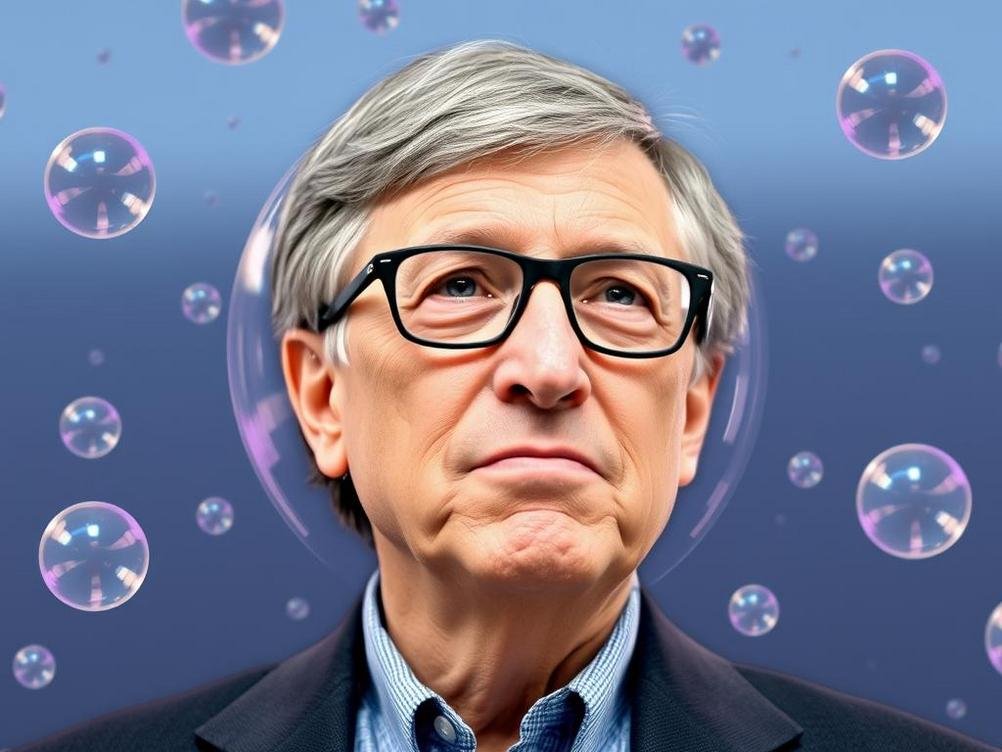
Is AI Really in a Bubble? Bill Gates Chimes In and Keeps It Real
Okay, let’s kick things off with a little confession: I’ve always been fascinated by bubbles. Not the soapy kind you blow on a summer day, but those wild economic ones that make headlines and then go poof. Remember the dot-com craze? Or how about that infamous Tulip Mania back in the 1600s, where people were trading tulip bulbs like they were pieces of gold? Fast forward to today, and Bill Gates is dropping some truth bombs about AI. He says we’re smack in the middle of an AI bubble, but hey, it’s not about to crash like those tulips did. That’s got me thinking—is AI just another hype train, or is there real magic under the hood? Gates, the guy who’s basically seen it all from his Microsoft days, isn’t panicking. Instead, he’s pointing out that while things might be overheated, AI’s got legs. It’s changing everything from how we work to how we live, and yeah, that includes stuff like your smart fridge ordering groceries on its own. But is this bubble going to burst, or will it float us into a brighter future? Let’s dive in, because if Gates is weighing in, you know it’s worth a chat. We’re talking innovation, risks, and why you shouldn’t sell your AI stocks just yet—all with a dash of humor to keep things light.
What Did Bill Gates Actually Say About This AI Hubbub?
Alright, so Bill Gates didn’t just wake up one day and tweet about AI being in a bubble—he’s been pondering this for a while. In a recent interview, he likened the current AI frenzy to past bubbles, but with a twist. He called it a bubble, sure, but not the catastrophic kind that wipes out fortunes overnight. Imagine if your favorite bubble bath overflowed a bit—messy, but not the end of the world. Gates pointed out that AI investments are soaring, with companies pouring billions into tech like ChatGPT and all those fancy neural networks. It’s exciting, but he warns that not every AI project is going to pan out like a blockbuster movie.
What makes this interesting is Gates’ experience. He’s been around since the personal computer revolution, so when he talks bubbles, people listen. He compared it to the early days of the internet, where a ton of ideas flopped, but the winners changed everything. If you’re into AI, you might be thinking, “Wait, is my investment safe?” Gates isn’t saying bail—he’s saying be smart. For instance, he mentioned how AI could revolutionize healthcare, like predicting diseases before they hit, but only if we don’t get carried away with the hype. It’s a reminder that while AI’s potential is huge, we need to keep our feet on the ground.
- Key takeaway: Gates sees AI as overhyped but not doomed.
- Real-world example: Think of how Uber disrupted taxis—AI could do the same in many fields, but not without some bumps.
- Why it matters: If you’re an investor, this is like getting advice from your wise uncle who’s seen a few market cycles.
Diving Deeper: What Even Is an AI Bubble, Anyway?
You know how everyone suddenly wants in on the latest trend, like when crypto was all the rage? That’s basically an AI bubble in a nutshell. It’s when valuations skyrocket based on hype rather than solid returns. Gates isn’t the first to notice this—experts have been buzzing about it for years. But what’s unique about AI is how it’s woven into everyday life already. We’re not just talking about stock prices; we’re talking about AI powering your Netflix recommendations or helping doctors spot cancer early. Still, if too much money chases too few good ideas, things can get wobbly, like a Jenga tower one block away from collapse.
Let’s break it down with a metaphor: Imagine AI as a party that’s gotten a bit too crowded. Everyone’s excited, the music’s pumping, but if the hosts don’t manage the guest list, it could turn into a mess. Gates is basically the party planner saying, “Hey, let’s not overdo it.” He’s pointed to stats from places like McKinsey, which estimate AI could add trillions to the global economy by 2030, but only if we invest wisely. That’s a big ‘if,’ right? On the flip side, there are risks, like companies overpromising and underdelivering, which could lead to a correction. If you’re curious, check out McKinsey’s AI insights for more on the numbers.
And here’s a fun fact: Back in the 1990s, the dot-com bubble saw companies with no profits valued at billions. Sound familiar? AI startups are raking in funding left and right, but not all will survive. It’s like planting a garden—some seeds sprout, others don’t, and you’ve got to know which ones to water.
Why Tulip Mania Isn’t a Fair Comparison for AI
Gates was quick to say that this AI bubble isn’t like Tulip Mania, and honestly, that’s a relief. Tulip Mania was that wild 17th-century craze in the Netherlands where tulip bulbs became more valuable than houses—then it all crashed spectacularly. Gates is waving that off, arguing that AI has actual substance. Unlike tulips, which were just pretty flowers, AI is solving real problems, like automating boring tasks or making renewable energy smarter. It’s like comparing a soap bubble to a hot air balloon—one pops easily, the other can take you places.
Take a look at how AI is already making waves. For example, companies like Google are using AI for everything from search to self-driving cars, and it’s not just fluff. Gates points out that the tech has tangible benefits, backed by data from sources like the World Economic Forum, which predicts AI will create millions of jobs. If you’re skeptical, that’s fair—bubbles burst all the time—but AI’s got a foundation that tulips never did. It’s not just speculation; it’s innovation with a purpose.
- Historical twist: Tulip Mania lasted about a year and left people broke, while AI’s been building for decades.
- Modern parallel: Think of how electric vehicles overhyped at first but are now mainstream—AI could follow suit.
- Gates’ view: He sees AI as evolutionary, not a fad, which is why he’s optimistic despite the bubble talk.
The Flip Side: What Could Go Wrong in This AI Boom?
Don’t get me wrong, even Gates admits there are risks. If we’re in a bubble, it could mean overvalued companies crashing hard, leaving investors high and dry. Picture this: You’ve got startups promising AI that can read minds or something ridiculous, and when it doesn’t deliver, the fallout is messy. Gates has warned about ethical issues too, like AI bias in hiring algorithms that favor certain groups—that’s not just a bubble problem; it’s a societal one. It’s like baking a cake without measuring—it might rise, but it could also flop.
Statistically, a report from Stanford University shows that AI investments hit record highs in 2024, but adoption rates vary wildly. For instance, only about 20% of businesses are fully integrating AI, according to their AI Index. If that’s the case, a lot of that money might be chasing ghosts. Gates suggests we need better regulation, like international standards to prevent misuse, which could pop the bubble prematurely. If you’re knee-deep in AI projects, it’s worth asking: Are you building for the long haul or just jumping on the bandwagon?
- First, overhyping can lead to disappointment, as seen in past tech crashes.
- Second, job displacement is a real concern—AI might automate roles faster than we create new ones.
- Finally, security risks, like deepfakes, could erode trust if not handled.
Spotting the Silver Linings: Why AI’s Bubble Might Be a Good Thing
Here’s where things get upbeat—Gates isn’t all doom and gloom. He believes this bubble could accelerate innovation, pushing us to develop AI faster than we would otherwise. It’s like that friend who hyped you up to try something new, and it turned out awesome. AI’s already transforming industries, from agriculture, where drones optimize crops, to entertainment, with AI-generated scripts for movies. Gates highlights how this could address global challenges, like climate change, by making energy systems smarter.
For example, Microsoft’s own AI tools, which Gates helped shape, are being used in education to personalize learning—and you can read more about that at Microsoft’s AI page. The point is, even if there’s a bubble, the tech itself is sticky. It’s not going away, and that’s exciting. Imagine a world where AI helps detect diseases early or makes commuting safer—that’s the kind of future Gates is banking on.
With a bit of humor, it’s like AI is that overeager puppy—full of energy, might knock over a few things, but ultimately loyal and full of potential.
What’s Next? Navigating the AI Landscape Wisely
As we wrap up this chat about Gates’ take, it’s clear we need to play it smart. He’s advising folks to invest in AI with eyes wide open, focusing on companies with real tech and ethical practices. It’s not about avoiding the bubble; it’s about riding it without wiping out. For everyday folks, that might mean learning about AI through free resources, like online courses from Coursera, which has AI basics that anyone can dive into.
At the end of the day, Gates’ perspective is a wake-up call to balance enthusiasm with caution. If you’re in tech, use this as a prompt to innovate responsibly. And for the rest of us, it’s a reminder that while bubbles can be fun, they’re not forever—but the tech they leave behind just might change the world.
Conclusion
In the end, Bill Gates’ comments on the AI bubble serve as a thoughtful nudge rather than a warning siren. We’ve explored how it’s similar to past manias but uniquely positioned for lasting impact, with real risks and rewards. Whether you’re an AI enthusiast or just curious, remember that bubbles often lead to breakthroughs—think of how the internet bubble birthed giants like Amazon. So, let’s keep pushing forward, learning from Gates’ wisdom, and making sure AI works for us, not against us. Who knows? This could be the start of something truly epic, and I’m here for it.