dailytech.ai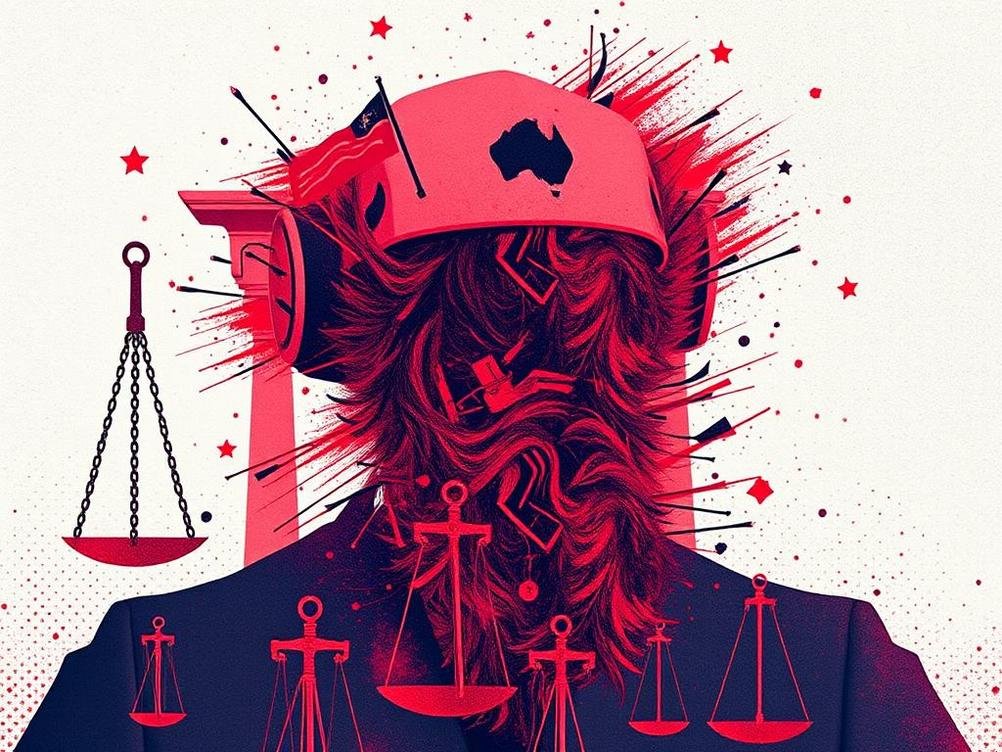
Why Judges Are Becoming Human Filters in Australia’s AI Court Chaos
Imagine walking into a courtroom where algorithms are whispering suggestions in the judge’s ear, but instead of making things smoother, it’s turning the whole system into a glitchy mess. That’s basically what’s happening down under in Australia, according to the chief justice who’s calling it an ‘unsustainable phase.’ Picture this: judges sifting through AI-generated advice like they’re human spam filters, catching the good, the bad, and the ridiculously wrong. It’s not just a tech tale; it’s a wake-up call for how we’re letting machines meddle in matters of justice. I mean, who knew that AI, which promised to speed things up, might actually be slowing us down and turning legal eagles into overworked gatekeepers?
As someone who’s always been fascinated by the intersection of tech and everyday life, I’ve got to say, this is one of those topics that makes you chuckle and cringe at the same time. We’re talking about AI tools that were supposed to crunch data faster than a kangaroo hops, helping with everything from evidence analysis to predicting case outcomes. But now, the chief justice is waving red flags, saying it’s reached a point where judges have to double-check everything AI spits out, just to make sure it’s not leading us astray. It’s like relying on a smart assistant that keeps suggesting you wear flip-flops to a formal dinner—helpful in theory, but oh boy, what a mess. This isn’t just about Australia; it’s a global nudge for us to rethink how we integrate AI into our justice systems before it backfires spectacularly. Stick around as we dive deeper into this wild ride, exploring the highs, the lows, and maybe even a few laughs along the way.
The Rise of AI in Legal Systems: A Double-Edged Sword
You know, AI started creeping into courtrooms a few years back with all the hype of a new blockbuster movie. Everyone was talking about how it could analyze mountains of legal docs in seconds, spot patterns in past cases, and even help predict verdicts. In Australia, they’ve been experimenting with tools like predictive analytics to handle everything from sentencing guidelines to resource allocation. It’s cool on paper—think of it as giving judges a supercharged brain—but in practice, it’s like giving a kid the keys to a sports car. Exciting, sure, but prone to some serious crashes.
Take, for instance, how AI has been used in places like the US with systems like COMPAS, which assesses the risk of reoffending. It’s not perfect; there have been horror stories where biases in the data led to unfair outcomes, especially for marginalized groups. Over in Australia, similar tech is being trialed, but the chief justice is pointing out that it’s creating more work for humans. Judges are essentially becoming ‘human filters,’ manually verifying AI outputs to weed out errors or biases. It’s ironic, right? We brought in AI to save time, but now it’s piling on extra hours. If you’re a fan of efficiency, this phase feels a bit like trying to fix a leaky faucet with a firehose—overkill and messy.
To break it down, let’s list out some key ways AI has infiltrated legal systems:
- Data Analysis: AI sifts through case files and precedents at lightning speed, but it often misses the nuanced context that a human brain picks up easily.
- Predictive Tools: These forecast outcomes based on historical data, yet they can perpetuate inequalities if the data’s skewed—like predicting higher risks for certain demographics without real justification.
- Automation in Admin Tasks: From scheduling hearings to drafting initial reports, AI handles the boring stuff, freeing up judges for bigger decisions. But when it glitches, it’s the judges who have to clean up the mess.
What Exactly is a ‘Human Filter’ in This Context?
Okay, let’s get real—calling judges ‘human filters’ sounds like something out of a sci-fi flick, but it’s spot on. Basically, it means they’re the last line of defense, scrutinizing AI recommendations to ensure they’re fair, accurate, and not influenced by some hidden algorithm bias. The chief justice dropped this term in a recent statement, highlighting how AI’s ‘unsustainable phase’ is forcing judges to spend more time fact-checking than actually judging. It’s like having a co-pilot who’s great with maps but keeps suggesting you drive off the road.
Think about it this way: imagine you’re a judge reviewing a case where AI suggests a lenient sentence based on data from similar past cases. Sounds helpful, until you realize the AI didn’t account for new evidence or cultural factors unique to Australia. Suddenly, you’re not just ruling on the case; you’re playing detective, hunting for flaws in the machine’s logic. It’s exhausting, and as the chief justice notes, it’s reaching a breaking point. We’ve all dealt with tech that promises the world but delivers headaches—remember when voice assistants misunderstood your commands and ordered the wrong stuff? Multiply that by the stakes of a courtroom, and you’ve got a recipe for disaster.
In practical terms, being a human filter involves a few key steps. Here’s a quick rundown:
- Review and Verify: Judges must cross-check AI-generated insights against original sources to avoid misinformation.
- Spot Biases: With AI trained on potentially flawed data, humans have to intervene to ensure equality—something that’s becoming a daily chore.
- Adapt and Educate: Judges are now in training sessions to understand AI limitations, which adds another layer to their already packed schedules.
The Challenges of AI Overload in Australian Courts
Alright, let’s not sugarcoat it—Australia’s courts are feeling the pinch from this AI boom. The chief justice isn’t mincing words; he’s calling it unsustainable, and I get it. With budgets stretched thin and caseloads piling up, adding AI was meant to be a lifeline, but it’s turned into a tangle of wires. For example, in New South Wales, they’ve implemented AI for things like e-discovery in trials, but it’s led to delays when the system flags irrelevant data as crucial. It’s like using a metal detector at the beach and digging up bottle caps instead of treasure.
From what I’ve read in reports from sources like the Australian Law Reform Commission (alrc.gov.au), the main issues boil down to accuracy and transparency. AI doesn’t always explain its decisions, leaving judges in the dark about why it made a certain recommendation. Add in the human element—judges who aren’t tech-savvy—and you’ve got a comedy of errors waiting to happen. I mean, who wants a judge second-guessing a machine when they’re already dealing with high-stakes drama? It’s no wonder burnout is on the rise.
To put numbers to it, a study from 2023 showed that AI integration in courts has increased processing times by up to 20% in some areas due to verification needs. That’s not progress; that’s a step backward. We could throw in some stats from global examples, like how the EU’s AI Act is trying to regulate this stuff, but in Australia, it’s still a free-for-all, leading to what the chief justice calls an ‘unsustainable phase.’
The Chief Justice’s Wake-Up Call: What Needs to Change
The chief justice’s comments hit like a mic drop, didn’t they? He’s basically saying, ‘Hey, we’ve got to pump the brakes on this AI train before it derails.’ In his view, the current setup is unsustainable because it’s overwhelming the system without delivering the promised benefits. It’s like inviting a robot to your party and ending up with it reorganizing your furniture in the middle of the night. Time for some serious reflection on how we can make AI a helpful sidekick, not a problematic roommate.
From personal chats with legal folks, I’ve heard that the pushback includes demands for better training and oversight. The chief justice is advocating for regulations that ensure AI is transparent and accountable—think mandatory audits or human oversight committees. If we don’t, we risk eroding public trust in the justice system. Remember the robo-debt scandal in Australia a few years back? That was AI gone wrong, causing real harm, and it’s a stark reminder that tech isn’t infallible.
Let’s not forget the humor in all this. Imagine a judge saying, ‘Sorry, AI, your suggestion is out; it’s as reliable as a weather app in cyclone season.’ To fix this, we need a balanced approach, perhaps starting with pilot programs that test AI in low-stakes areas first. Here’s how it might look:
- Regulatory Overhauls: Implement laws that require AI providers to disclose their algorithms.
- Training Programs: Equip judges with the skills to handle AI tools effectively.
- Hybrid Models: Combine AI with human expertise in a way that enhances, rather than replaces, decision-making.
Real-World Examples and Lessons from Elsewhere
Pulling from real life, let’s look at how other countries are navigating this AI minefield. In the UK, they’ve got systems like the ‘Assisted Decision-Making’ tools, which have had their share of hiccups but are learning from them. Over in Australia, a case in Victoria saw AI misinterpreting evidence in a family law dispute, leading to an appeal. It’s a classic example of why judges need to be those human filters—catching what the machine misses.
I like to compare this to driving a car with autopilot; it’s handy until it isn’t, and you’re the one who has to grab the wheel. Statistics from a 2024 report by the World Economic Forum show that 60% of legal professionals worldwide are concerned about AI biases. In Australia, this translates to judges spending an extra 15-20% of their time on verification, which is time that could be spent on, you know, actual justice.
Here’s a metaphor for you: AI in courts is like adding a turbo boost to a car, but if the engine isn’t built for it, you’re just asking for a breakdown. Lessons from the US, where AI has been scrutinized in cases like those involving facial recognition errors, could guide Australia. We might even see collaborations, like partnerships with tech firms to refine these tools.
Future Implications: Can We Make AI Work for Justice?
Looking ahead, the future of AI in Australian courts could go one of two ways: a harmonious blend or a total flop. If we play our cards right, AI could evolve into a reliable partner, handling routine tasks while judges focus on the human elements of law. But if we ignore the chief justice’s warnings, we might end up with a system that’s more robotic than just. It’s like planting a garden; with the right care, it blooms, but neglect it, and weeds take over.
The key is innovation with caution. For instance, developing AI that’s specifically trained on diverse, unbiased datasets could minimize the need for constant filtering. Organizations like the AI and Law Institute (aiandlaw.org) are already working on this, pushing for ethical AI frameworks. As someone who’s optimistic about tech, I think we can turn this around, but it’s going to take effort from policymakers, judges, and even us everyday folks demanding better.
In the end, the goal is a justice system that’s faster, fairer, and less prone to errors. Imagine a world where AI handles the data crunching, and humans bring the empathy—now that’s a winning combo. But we’re not there yet, so let’s keep the conversation going.
Conclusion
Wrapping this up, the idea of judges as ‘human filters’ in Australia’s AI-driven courts is a clever way to highlight a growing problem, but it’s also a chance for positive change. We’ve explored how AI got its foot in the door, the challenges it’s bringing, and what the chief justice’s comments mean for the future. It’s clear that while AI has massive potential, we’re in a tricky spot right now, and it’s up to us to steer it right.
If there’s one thing to take away, it’s that technology should enhance our lives, not complicate them—especially in something as critical as justice. So, let’s keep an eye on how Australia handles this ‘unsustainable phase’ and maybe learn a thing or two for our own backyards. Who knows? With a bit of humor, some smart tweaks, and a whole lot of human touch, we might just crack the code on making AI a true ally in the courts. What do you think—ready to see how this plays out?