dailytech.ai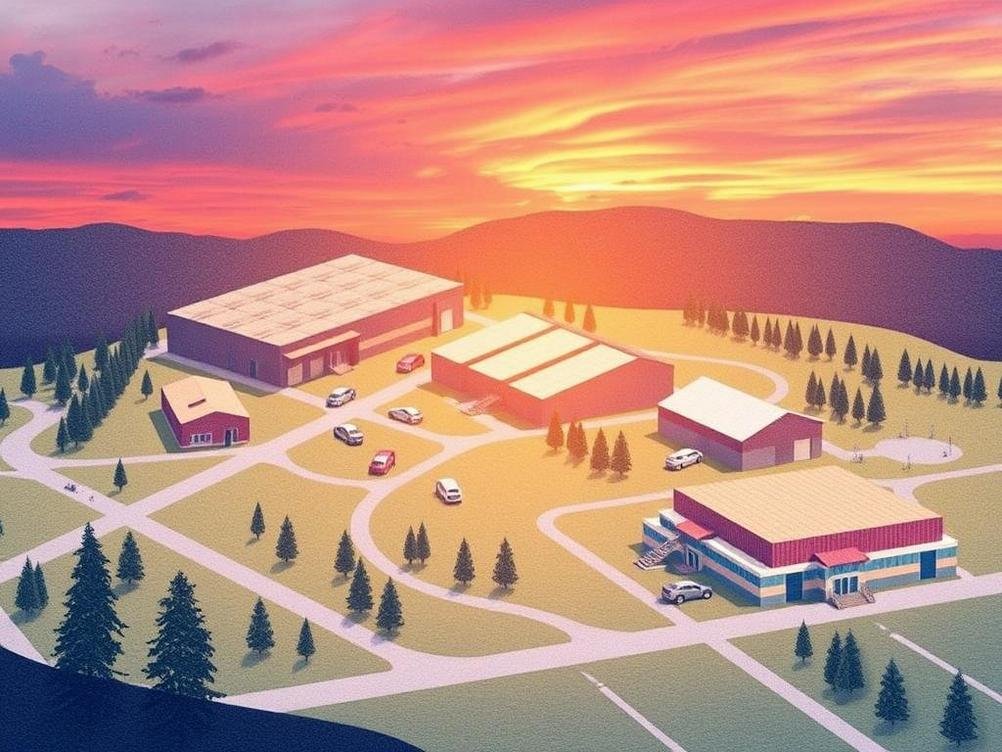
Why Lewiston City Council Just Slammed the Brakes on That Big AI Data Center Plan
Imagine you’re sitting in a cozy living room, flipping through the news on your phone, and suddenly you stumble upon a headline about a small city like Lewiston rejecting a massive AI data center proposal. It’s like that time you turned down a free pizza because it came with a side of weird toppings—sometimes, even good ideas just don’t sit right. This story out of Lewiston, Maine, has got people buzzing, and honestly, it’s a reminder that not every shiny tech promise is a perfect fit for every town. Picture this: local councilors unanimously voting down what could have been a game-changer for jobs and innovation, but maybe at what cost? We’re diving into the nitty-gritty of why this happened, exploring the backlash, and pondering what it means for AI’s future in everyday places. As someone who’s followed AI developments for years, I can’t help but chuckle at how these decisions often turn into David vs. Goliath tales, where the little guy wins by just saying no. But seriously, this vote raises some big questions about community values, environmental impacts, and whether we’re ready to let AI giants bulldoze their way into our backyards. Stick around as we unpack the drama, the debates, and why this might be a wake-up call for tech companies everywhere. By the end, you’ll see how decisions like this aren’t just about one town—they’re about shaping a future where technology serves us, not the other way around.
What Exactly Went Down in Lewiston?
You know how sometimes a meeting that starts with coffee and chit-chat ends up making headlines? That’s pretty much what happened in Lewiston when the city councilors gathered to discuss this AI data center proposal. The plan, pitched by some big-name tech firm (we’re talking the kind that rhymes with ‘Bamazon’ or ‘Google’), promised hundreds of jobs and a boost to the local economy. But after hours of debate, the vote was a unanimous ‘nope’—not a single dissenter. It’s like they all shared a brainwave and decided this wasn’t the future they wanted. I mean, who can blame them? Lewiston isn’t exactly Silicon Valley; it’s a tight-knit community with its own rhythm, and shoving a massive data center into the mix could disrupt everything from traffic to tranquility.
From what I’ve pieced together, the proposal involved building a sprawling facility that would hum with servers 24/7, chugging energy like it’s going out of style. Critics pointed out potential issues like increased noise pollution and strain on local resources. Think about it: these data centers are basically giant energy hogs, and in a place like Lewiston, that could mean higher electricity bills for everyone. Plus, there were whispers about environmental risks, like water usage for cooling systems—because let’s face it, AI might be smart, but it sure isn’t eco-friendly yet. This vote wasn’t just a rejection; it was a statement that communities have a say in how tech invades their space.
To break it down simply, here’s a quick list of the key points from the meeting:
- The proposal promised 500+ jobs but raised concerns about them being mostly low-paying or temporary gigs.
- Environmental groups highlighted the carbon footprint, estimating it could add emissions equivalent to a small city’s worth.
- Residents worried about property values dropping due to the industrial vibe of a data center next door—nobody wants to live near a perpetual hum fest.
- There was talk of traffic congestion from construction trucks and employee commutes, turning quiet streets into chaos.
The Perks AI Data Centers Could Bring—And Why They Flopped Here
Okay, let’s play devil’s advocate for a second. AI data centers aren’t all bad; they’re like the backbone of modern tech, powering everything from your Netflix binge to those creepy personalized ads. In Lewiston, the proposal dangled carrots like economic growth and cutting-edge infrastructure. Imagine a town suddenly becoming a hub for innovation—new jobs in tech support, maybe even training programs for locals to get in on the action. It’s exciting, right? But as we saw, excitement doesn’t always translate to a yes vote. The councilors probably weighed these benefits against the downsides and thought, ‘Nah, this feels more like a headache than a handout.’
For instance, places like Ashburn, Virginia, have embraced data centers and seen their economies boom, with billions in investments. That’s great if you’re in the market for high-speed internet and corporate cash, but Lewiston’s folks might have looked at that and said, ‘We’re not Ashburn; we like our peace and quiet.’ Humor me here—it’s like inviting a rock band to practice in your garage; sure, it might make you cool, but at what cost to your sanity? The key takeaway is that while AI data centers can inject money into a community, they often come with strings attached, like reliance on fossil fuels or gentrification.
If you’re curious about real examples, check out DataCenterMap.com, which tracks these facilities worldwide. They’ve got stats showing how centers in rural areas have sometimes led to unexpected boons, like improved broadband. But in Lewiston’s case, the council might have crunched the numbers and realized the cons outweighed the pros, especially with studies from the EPA indicating that data centers can use up to 50 times more energy per square foot than a typical office building. Yikes, that’s a lot of power for what essentially amounts to a bunch of computers chatting to each other.
The Big Debates: Why Communities Are Pushing Back on AI Expansion
Here’s where things get juicy—people aren’t just saying no for the heck of it; there’s a growing backlash against AI projects like this one. In Lewiston, residents voiced concerns about everything from privacy to cultural shift. Think about it: a data center could mean Big Tech snooping around your data more than they already do, or worse, turning your quaint town into a concrete jungle. It’s like inviting a nosy neighbor who promises to fix your fence but ends up rearranging your whole yard. The councilors, picking up on this sentiment, probably figured that preserving the community’s identity was worth more than any short-term gains.
Statistically speaking, a report from the Pew Research Center shows that about 60% of Americans are wary of how AI is rolling out, especially in rural areas. They fear job displacement or environmental harm, which mirrors what happened in Lewiston. And let’s not forget the humor in it—voting this down was like the town saying, ‘Thanks, but we’d rather stick with our flannel shirts and local diners instead of silicon chips and server racks.’ Underneath the laughs, though, this highlights a broader trend: people want tech to adapt to them, not the other way around.
To illustrate, let’s compare this to other cases. In Europe, countries like Ireland have welcomed data centers, but they’ve imposed strict regulations on energy use. A list of potential pushback reasons might include:
- Environmental impact, such as increased e-waste and carbon emissions.
- Economic uncertainties, like volatile job markets tied to tech trends.
- Social changes, including higher living costs that could price out locals.
- Health concerns, from noise pollution to electromagnetic fields—stuff that sounds like sci-fi but is very real.
How This Vote Impacts Lewiston’s Future (And Yours Too)
So, what does this mean for Lewiston moving forward? Well, by turning down the proposal, they’re sending a message that might echo in other towns: we’re not for sale. Sure, they might miss out on some tech jobs, but this could open doors to more sustainable options, like green energy projects or local businesses. It’s like choosing a homemade meal over fast food—healthier in the long run, even if it’s not as flashy. This decision could inspire other communities to scrutinize AI proposals more closely, ensuring they align with local values.
On a broader scale, this vote might slow down the AI boom in smaller areas, giving policymakers time to craft better regulations. For example, if you look at states like Oregon, they’ve implemented zoning laws to limit where data centers can pop up. It’s a metaphor for putting up fences around your digital life—protecting what’s important. And hey, with AI advancing at warp speed, decisions like this could lead to innovations that are more community-friendly, like smaller, energy-efficient centers that don’t require sacrificing the neighborhood vibe.
Lessons Learned: What AI Companies Can Take from This Blunder
Alright, tech giants, listen up—this is your wake-up call. Lewiston’s rejection shows that you can’t just waltz into a town with promises of progress and expect a red carpet. Companies need to engage with locals early, maybe host town halls or actually listen to concerns instead of steamrolling ahead. It’s like dating: if you don’t ask about preferences first, you’re in for a swift exit. From my perspective, AI firms should focus on building trust, perhaps by committing to renewable energy or offering real skill-building programs for residents.
Data from sources like the World Economic Forum suggests that sustainable AI practices could reduce environmental impacts by up to 45% with the right investments. So, instead of big, intrusive centers, maybe it’s time for distributed models that spread the load. Think of it as AI on a diet—leaner, greener, and more palatable for places like Lewiston. This could be a turning point, forcing the industry to evolve rather than expand recklessly.
Wrapping It Up: The Bigger Picture for AI and Communities
In conclusion, Lewiston’s unanimous vote against the AI data center proposal is more than just a local story; it’s a bold statement about balancing progress with preservation. We’ve seen how this decision highlights the tensions between innovation and everyday life, reminding us that technology should enhance our world, not overwhelm it. Whether it’s through better regulations or community-driven tech, this moment could spark positive changes that benefit everyone.
As we look ahead, let’s remember that stories like this are opportunities for growth. So, next time you hear about an AI project in your neck of the woods, ask yourself: Is this really for us? Who knows, your town might just be the next to say no and reshape the future in the process.