dailytech.ai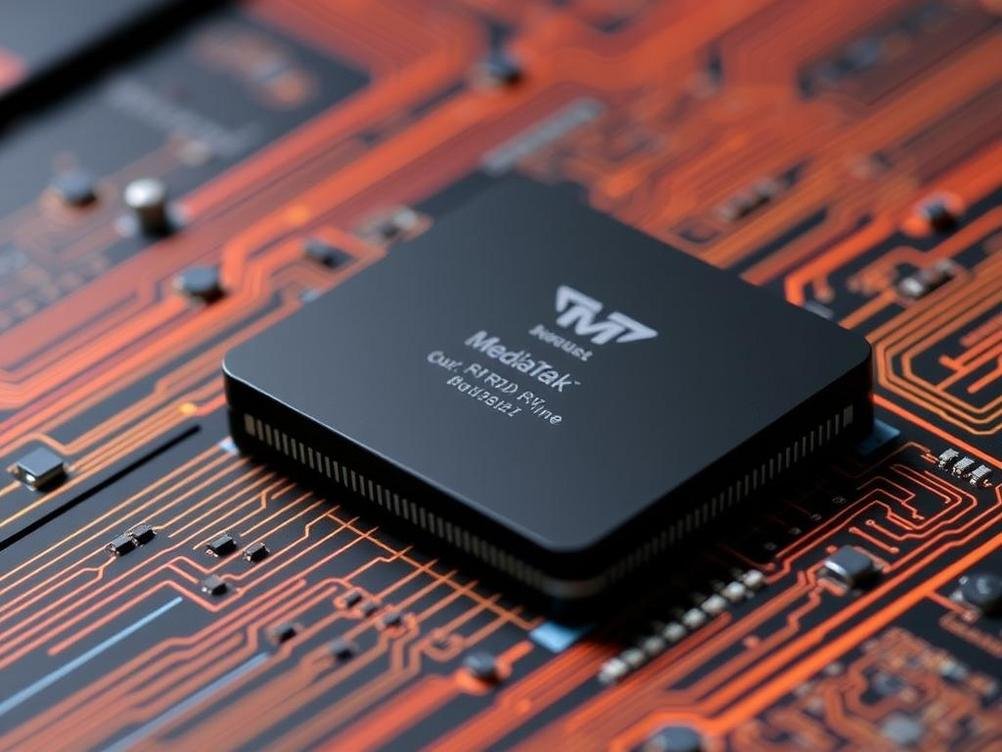
Why MediaTek’s $4 Billion AI Bet Could Change Everything – And Why I’m Excited
Okay, let’s kick things off with a story that’ll grab your attention. Picture this: you’re at this wild party where tech giants like NVIDIA and Intel are hogging the dance floor, showing off their flashy AI moves. Everyone’s impressed, right? But then, out of nowhere, MediaTek crashes in – the underdog chipmaker that’s been chilling in the background – and drops a bombshell with a $4 billion investment in AI. It’s like that friend who quietly builds a killer startup in their garage and suddenly steals the spotlight. If you’re into tech, you know this isn’t just about chips; it’s about how AI is reshaping our world, from your smartphone to self-driving cars. I mean, who doesn’t love a good plot twist in the AI saga? MediaTek’s move makes you wonder: Is this the start of a new era where more players join the game, making AI faster, cheaper, and more accessible? Or could it flop harder than that diet I tried last year? Stick around, because we’re diving deep into why this could be a game-changer, blending tech insights with a dose of real talk and maybe a chuckle or two along the way.
This news hit the wires recently, and it’s got me thinking about how AI isn’t just for the big boys anymore. MediaTek, known for making affordable processors in devices like budget smartphones and IoT gadgets, is throwing down serious cash to ramp up its AI capabilities. We’re talking R&D for better chips that handle machine learning, neural networks, and all that jazz. It’s like they’re saying, ‘Hey, we can make AI smart without breaking the bank.’ For everyday folks, that means cooler features in your phone, like better photo editing or voice assistants that actually get your sarcasm. But let’s not kid ourselves – this isn’t altruism; it’s smart business. With AI projected to hit a global market of over $1 trillion by 2030 (according to sources like Statista), MediaTek’s jumping in could democratize tech. Imagine AI-powered tools that aren’t just for corporations but for small businesses or even hobbyists. It’s exciting, but also a bit nerve-wracking. What if this investment leads to more innovation, or what if it just adds to the hype? Either way, it’s a reminder that AI’s evolution is way more than algorithms; it’s about who gets to play and how it affects us all. So, grab a coffee, settle in, and let’s unpack this step by step – because if MediaTek pulls this off, we might all be toasting to cheaper, smarter tech sooner than we think.
What Exactly is MediaTek, and Why Should You Care About Their AI Crash?
You might be scratching your head thinking, ‘MediaTek? Isn’t that the company behind those mid-range phone chips?’ Yeah, exactly – they’re the Taiwanese giant that’s been quietly powering billions of devices without the glitz of Apple or Samsung. But here’s the thing: in the AI world, they’re like that reliable sidekick who suddenly decides to step up as the hero. MediaTek’s expertise is in semiconductors, and now they’re pivoting hard into AI with this $4 billion fund. It’s not just money; it’s about building better AI accelerators and edge computing tech, which means faster processing on your devices without relying on big data centers.
Why should you care? Well, if you’re tired of AI being a luxury, this could change the game. For instance, think about how AI enhances everyday stuff – like your car’s adaptive cruise control or that smart fridge that orders groceries. MediaTek’s push could make these features more widespread and affordable. I’ve seen reports from sites like TechRadar that highlight how this investment might lead to AI chips in everything from wearables to smart homes. It’s like upgrading from a flip phone to a smartphone era all over again. But let’s add a dash of humor: if MediaTek succeeds, maybe we’ll finally get AI that understands my terrible jokes, instead of just suggesting cat videos.
To break it down, here’s a quick list of what MediaTek brings to the table:
- Years of experience in efficient, low-power chip design, perfect for AI applications that need to run on batteries.
- A focus on emerging markets, meaning AI could become more accessible in places where high-end tech is out of reach.
- Partnerships with companies like Google and Qualcomm, which could accelerate their AI development – it’s like forming a supergroup band.
Breaking Down That $4 Billion Investment – Is It All Hype or Real Deal?
Alright, let’s talk numbers because $4 billion isn’t pocket change; it’s a massive bet that screams commitment. MediaTek announced this funding to boost their AI research, and it’s spread across areas like AI software, hardware, and even talent acquisition. Imagine pouring that into hiring top engineers or building new labs – it’s like funding a blockbuster movie, but for tech. From what I’ve read on Reuters, this investment is timed perfectly with the AI boom, especially as demand for generative AI and machine learning skyrockets.
But is it all hype? Not really – MediaTek’s already got a leg up with products like their Dimensity chips that incorporate AI features. For example, their latest processors use neural processing units (NPUs) to handle tasks like image recognition on the fly. It’s practical stuff; think about how this could improve gaming on mobile devices or make video calls less laggy. Of course, there’s always the risk – what if the AI market gets saturated? Still, this move feels like a smart play, especially when you compare it to how NVIDIA dominated graphics cards and then pivoted to AI. MediaTek might just be the next big disruptor, turning heads in the industry.
- Key areas of investment: AI chip development, software ecosystems, and collaborations for global reach.
- Potential returns: Lower costs for consumers, as MediaTek aims to integrate AI without jacking up prices.
- Risks involved: Market volatility, as seen in past tech bubbles, could make this a rollercoaster ride.
How MediaTek is Shaking Up the AI Industry Landscape
Now, let’s get to the juicy part: how does one company ‘crash the party’? MediaTek’s strategy is all about diversification. While giants like AMD and Intel focus on high-end servers, MediaTek is targeting edge AI – that’s tech that works right on your device, not in the cloud. It’s like bringing the party to your living room instead of making you go to a club. This could mean faster AI responses in apps, better privacy since data doesn’t always leave your phone, and more innovation in sectors like healthcare or education.
For a real-world example, imagine a doctor using an AI-powered device to diagnose skin conditions on the spot – MediaTek’s chips could make that possible without needing a supercomputer. It’s not just theoretical; companies are already integrating their tech into products. And here’s a fun metaphor: if AI is a recipe, MediaTek is adding the secret spice that makes it taste better for the masses. But, let’s be real, the industry might push back – established players could see this as a threat and ramp up competition.
The Real-World Impacts: From Gadgets to Everyday Life
So, what does this mean for you and me? MediaTek’s AI push could trickle down to everything from your smart TV to your fitness tracker. We’re talking enhanced voice recognition, smarter energy management in homes, or even AI that predicts maintenance for your car. Statistics from McKinsey show that AI could add up to $13 trillion to the global economy by 2030, and MediaTek’s role could accelerate that in consumer tech.
Take my own experience: I’ve got a phone with a MediaTek chip, and the AI features are getting better at optimizing battery life. It’s like having a personal assistant that’s actually helpful. But there are downsides – if not done right, it could lead to more e-waste or privacy issues. Still, the potential is huge, especially in AI education, where tools could make learning interactive and fun for kids.
- Examples of impact: AI in gaming for realistic graphics, or in marketing for personalized ads without creepy tracking.
- Broader insights: This could bridge the digital divide, making AI benefits available in developing countries.
Challenges and Potential Pitfalls Ahead for MediaTek
Every great story has its villains, and for MediaTek, challenges abound. The AI field is cutthroat, with patent wars and supply chain issues that could derail their plans. Plus, with regulations tightening around AI ethics, like the EU’s AI Act, MediaTek might have to navigate bureaucracy that slows things down. It’s like trying to run a marathon with ankle weights – frustrating, but not impossible.
Then there’s the talent crunch; everyone wants AI experts, so poaching them from rivals isn’t easy. I remember reading about how companies like Google have faced similar hurdles. If MediaTek doesn’t play their cards right, this $4 billion could turn into a cautionary tale. But hey, that’s the risk of innovation – it’s messy, exciting, and full of ‘what ifs’.
The Future of AI: What’s Next with Players Like MediaTek?
Looking ahead, MediaTek’s entry could spark a wave of competition that benefits us all. We’re on the cusp of AI everywhere – in our pockets, homes, and cities. With more players, prices drop, and tech improves, like how streaming services got better after Netflix showed up. MediaTek might even collaborate on open-source AI projects, making tools more accessible.
One exciting possibility is AI in entertainment, where personalized content could be the norm. Imagine movies adapted to your tastes in real-time – wild, right? Sites like Wired are buzzing about this, predicting a more inclusive AI landscape.
Conclusion: Why This AI Party Just Got a Whole Lot More Interesting
Wrapping this up, MediaTek’s $4 billion dive into AI is a bold move that could redefine the industry, making tech more democratic and exciting. We’ve seen how it’s shaking things up, from affordable chips to real-world applications, and yeah, there are bumps along the road. But that’s what keeps innovation fun – the uncertainty and the potential. So, next time you use an AI feature on your device, think about how companies like MediaTek are making it possible. Here’s to hoping this leads to a brighter, smarter future for all of us. Who knows? Maybe in a few years, we’ll be laughing about how we ever lived without it.