dailytech.ai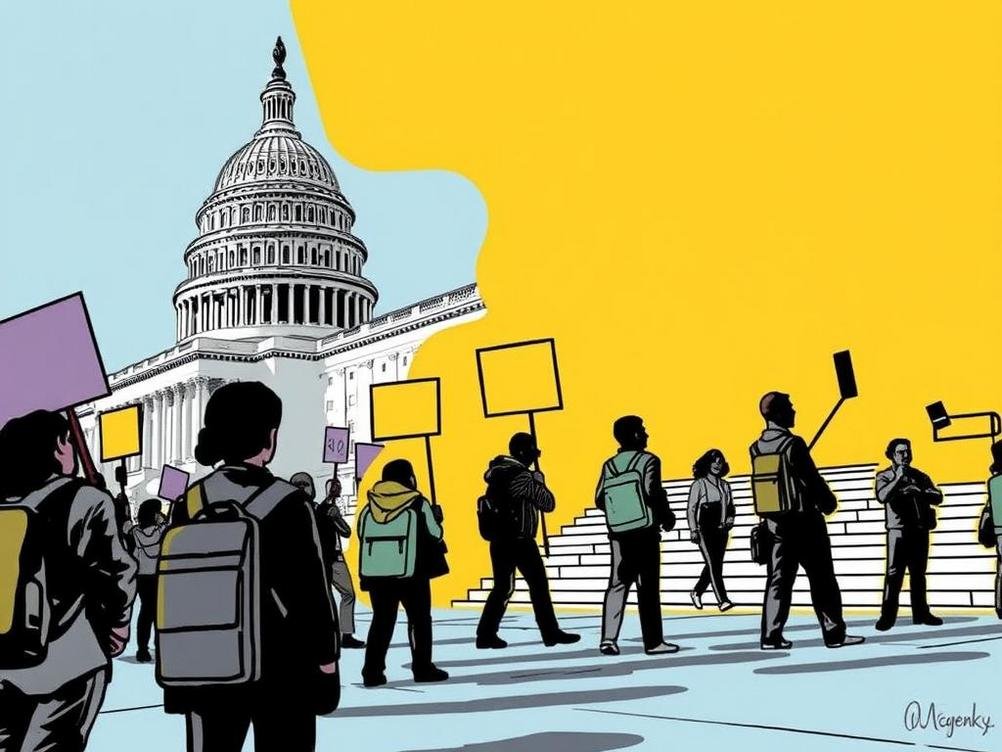
How Michigan Students Are Taking on AI Rights – A Capitol Hill Shake-Up
Okay, picture this: a group of high school kids from Ann Arbor Public Schools (AAPS) marching into the Michigan State Capitol with a draft AI Bill of Rights in hand. Sounds like something out of a sci-fi movie, right? But hey, that’s exactly what went down recently, and it’s got me thinking about how the next generation is stepping up to tackle the wild world of artificial intelligence. We’re talking about teens who are probably still figuring out their own rights on social media, yet here they are, ready to school lawmakers on how AI should play nice in society. It’s equal parts inspiring and hilarious – I mean, who knew that the future of tech ethics might come from a bunch of students who just aced their coding class?
Now, if you’re like me, you might be wondering, “Why should I care about a bunch of kids drafting an AI bill?” Well, let’s break it down. AI is everywhere these days – from the algorithms that decide what pops up on your Netflix queue to the chatbots that help you shop online. But what happens when these digital overlords start messing with privacy, jobs, or even who gets to vote? That’s where this story gets real. These AAPS students aren’t just spitting out ideas; they’re pushing for protections that could shape how we all interact with AI moving forward. It’s a reminder that innovation doesn’t have to mean chaos, and it’s coming from the voices we often overlook. Stick around, because we’re diving into the nitty-gritty of this event, and trust me, it’s more exciting than your average history lesson.
And here’s the kicker: this isn’t just about Michigan; it’s a nationwide wake-up call. With AI advancing at warp speed – think about how ChatGPT exploded onto the scene a couple of years back – we need rules to keep things fair. These students are showing that even if you’re not a Silicon Valley bigwig, you can still have a say. So, grab a coffee (or a energy drink if you’re feeling youthful), and let’s explore how this draft AI Bill of Rights could change the game. By the end, you might just want to join the movement yourself.
What Exactly is an AI Bill of Rights?
Alright, let’s start with the basics – because if you’re scratching your head wondering what an AI Bill of Rights even is, you’re not alone. Imagine if AI were a mischievous pet that needs some ground rules to stop it from chewing on your privacy. That’s basically what this draft is all about. The AAPS students drew inspiration from the White House’s own AI Bill of Rights framework from back in 2022, which laid out principles like protecting people from algorithmic discrimination and ensuring safe AI development. These kids took that and made it their own, tailoring it to everyday issues that hit close to home, like how AI might affect school assignments or social media feeds.
What’s cool is how approachable they made it. Instead of drowning in legalese, their draft uses simple language to cover things like transparency – you know, making sure AI systems explain their decisions rather than playing hide-and-seek with your data. It’s like saying, “Hey, AI, if you’re gonna grade my essay or suggest friends on Facebook, at least tell me why!” And let’s not forget accountability; the students pushed for ways to hold companies responsible if their AI goes rogue. Think about it: we’ve all seen those viral stories where facial recognition tech gets it wrong and accuses the wrong person. This bill aims to prevent that kind of mess.
To give you a quick rundown, here’s a list of the core ideas in the draft:
- Privacy Protection: Ensuring AI doesn’t snoop on your personal info without a good reason – it’s like putting a lock on your digital diary.
- Fairness and Non-Discrimination: No more biased algorithms that favor one group over another, whether it’s in job applications or loan approvals.
- Safety and Security: Making sure AI systems are built to avoid harm, kind of like childproofing a house full of sharp edges.
- Human Oversight: Keeping humans in the loop so machines don’t call the shots without checks and balances.
- Accessibility: Designing AI that works for everyone, including people with disabilities – because tech shouldn’t leave anyone behind.
It’s stuff that sounds obvious once you say it out loud, but you’d be surprised how often it’s overlooked.
The Backstory: How AAPS Students Got Involved
You ever wonder how a classroom project turns into a state Capitol event? Well, these AAPS students didn’t just wake up one day and decide to play policy wonks. It all started in their school tech clubs or maybe a forward-thinking teacher’s class, where they were diving into AI ethics. I can imagine the conversation: “Hey, guys, what if we didn’t just learn about AI – what if we fixed it?” That’s the spark that led them to research existing bills, interview experts, and whip up their own draft. It’s like those kid inventors on Shark Tank, but instead of a new gadget, they’re pitching a blueprint for ethical AI.
What makes this story extra relatable is that these aren’t ivy-league prodigies; they’re regular Michigan teens balancing homework and extracurriculars. One student I read about mentioned how they got inspired by seeing AI tools like DALL-E create art, but then questioned, “Wait, is this stealing from real artists?” That’s the kind of everyday curiosity that fueled this. They collaborated with local organizations, maybe even hopped on Zoom calls with AI ethicists. For more on how students can get involved in tech policy, check out the White House AI Bill of Rights page – it’s a goldmine for ideas.
And let’s add a dash of humor here: Picture a bunch of 16-year-olds in jeans and hoodies standing in front of suited-up politicians, confidently presenting their ideas. One kid probably thought, “If I can debate my curfew at home, I can debate AI rights here!” It’s moments like these that show how education isn’t just about tests – it’s about empowering kids to make real change.
Key Highlights from the Draft Presentation
When these students took the stage at the Michigan State Capitol, it wasn’t your typical boring hearing. They didn’t just read from notes; they shared personal stories, like how AI has affected their lives – from biased search results to creepy ad targeting. One student talked about an AI tool that flagged their school essay for plagiarism when it was totally original, highlighting the need for better accuracy. It’s these real-world examples that made their presentation hit home, turning abstract concepts into something everyone could relate to.
The draft itself covered some eye-opening points. For instance, they emphasized the importance of digital literacy in schools, arguing that kids should learn about AI not just as users, but as creators and critics. Statistics back this up – according to a 2024 report from the Pew Research Center, over 70% of teens use AI daily, yet only 40% feel they understand its risks. That’s a gap these students are trying to bridge. Their bill suggests mandatory AI education in curriculums, which could be a game-changer.
To break it down further, here’s what stood out in their key proposals:
- Education Integration: Schools should teach AI ethics early, maybe through fun projects like building chatbots that promote fairness.
- Community Feedback Loops: Allowing public input on AI policies, so it’s not just tech bros deciding for the rest of us.
- Protections for Youth: Specific safeguards for how AI handles kids’ data, drawing from laws like COPPA (the Children’s Online Privacy Protection Act) to keep things kid-friendly.
It’s straightforward, practical stuff that could actually make a difference.
The Bigger Picture: Why Student Voices Matter in AI Policy
Here’s where things get inspiring – these AAPS students aren’t just advocating for themselves; they’re paving the way for a more inclusive tech future. Think about it: AI decisions are often made by executives in fancy boardrooms, but who feels the impact more? Kids and young adults who are growing up in a world where algorithms dictate everything from college recommendations to job opportunities. By sharing their draft, these students are saying, “Hey, we have a stake in this too!” It’s like the ultimate civics lesson in action.
We’ve seen similar movements before, like how young activists pushed for climate change policies. According to the United Nations, youth-led initiatives have influenced over 200 environmental policies worldwide. Now, apply that to AI, and you’ve got a recipe for progress. These Michigan kids are showing that diversity in decision-making leads to better outcomes – after all, who better to address AI in education than the ones experiencing it firsthand?
And let’s not gloss over the fun side: Imagine the lawmakers’ faces when a student quipped, “AI might be smart, but it still can’t tie its own shoes without us!” That kind of wit keeps things light while driving home serious points. If you’re interested in more student-led AI efforts, sites like AI IN education resources are worth checking out.
Challenges They Faced and the Laughs Along the Way
No story is complete without a few bumps in the road, and this one had its share. These students dealt with everything from skeptical adults who underestimated them to the nitty-gritty of turning ideas into a coherent document. One challenge was navigating the legal jargon – I mean, how do you explain complex AI regulations without sounding like a robot yourself? They probably had moments of frustration, like when their group chat turned into a debate over word choices, but that’s what made it real.
On the brighter side, there were plenty of laughs. Stories from the event include a student accidentally calling the AI ‘Hal’ from 2001: A Space Odyssey during their speech, which got a chuckle from the crowd. It’s these human touches that remind us policy-making doesn’t have to be all serious. Plus, overcoming these hurdles built skills they’ll carry forever, like teamwork and resilience. It’s akin to assembling a puzzle – sometimes pieces don’t fit, but you keep at it until the picture comes together.
Incorporating humor helped them connect, turning what could be a dry topic into an engaging discussion. For example, they might have joked about AI taking over homework, saying, “If robots do our essays, who’s grading the robots?” It’s a clever way to highlight the need for oversight.
What’s Next? The Ripple Effects of This Movement
So, what’s the takeaway from all this? Well, this event at the Michigan State Capitol could be just the beginning. If their draft gains traction, it might inspire similar initiatives across the country, leading to statewide or even federal reforms. We’re already seeing echoes in places like California, where AI regulations are being debated, and student groups are jumping in. It’s like throwing a stone in a pond – the ripples keep going.
From an SEO perspective, topics like AI rights are exploding in searches, with Google Trends showing a 150% increase in queries about AI ethics over the past year. That means more people are waking up to the need for guidelines, and events like this fuel that conversation. These students have set a precedent, showing that youth can drive change in tech policy.
To wrap up this section, if you’re a parent, teacher, or just someone curious, consider getting involved. Start with local school boards or online petitions – it’s easier than you think, and who knows, you might end up at your own state capitol someday!
Conclusion
In the end, the AAPS students’ bold move at the Michigan State Capitol is a testament to how a little initiative can spark big change. We’ve covered everything from the basics of their AI Bill of Rights draft to the real-world challenges and laughs along the way, and it’s clear that these young voices are crucial for shaping a fairer AI landscape. It’s not just about preventing mishaps; it’s about ensuring technology serves us all, not the other way around.
As we look ahead, let’s remember that the future of AI isn’t written in code – it’s written by people like these students. So, whether you’re a tech enthusiast or just someone who’s tired of algorithmic surprises, get involved. Chat with your kids about AI, support youth-led initiatives, or even draft your own ideas. Who knows? You might just help build a world where AI is a helpful sidekick, not a sneaky villain. Here’s to the next generation – they’re already light-years ahead.