 dailytech.ai
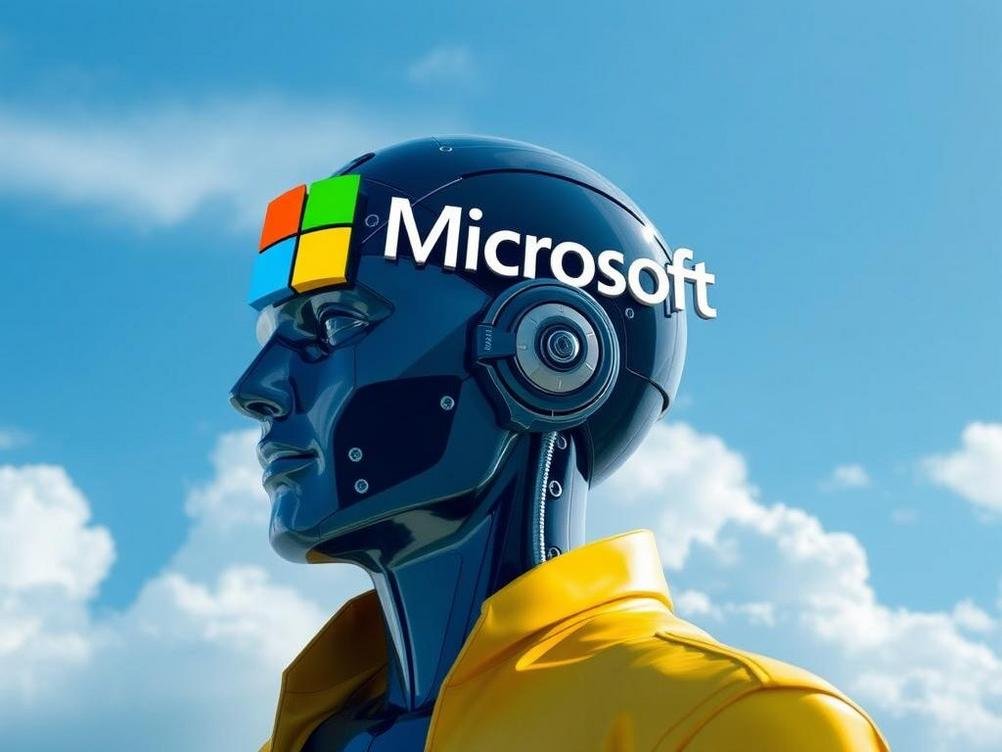
Microsoft’s Epic $10 Billion Splash into Portugal’s AI Scene: What’s the Big Deal?
Okay, picture this: You’re sipping a pastel de nata in a sunny Lisbon cafe, and suddenly you hear that tech giant Microsoft is dropping a whopping $10 billion to build an AI data hub right in Portugal. Yeah, it’s not just some rumor—it’s happening, and it’s got everyone buzzing from Silicon Valley to the streets of Porto. This isn’t your average investment; it’s a massive bet on the future of artificial intelligence in a country better known for its beaches and port wine than cutting-edge tech. But why Portugal? And what does this mean for the rest of us? Let’s dive in because this story is way more than dollar signs—it’s about reshaping how AI powers our world, creating jobs, and maybe even giving Europe a fighting chance against the U.S. and China in the AI arms race. I’ve been following tech news for years, and moves like this always get me excited (and a bit skeptical—remember when everyone thought blockchain would solve world hunger?). By the time we’re done here, you’ll see why this could be a game-changer, or at least a really interesting plot twist in the ongoing saga of global tech dominance. Stick around; I’ve got insights, a dash of humor, and zero corporate jargon to keep things real.
Why Portugal? Unpacking Microsoft’s Choice of Location
So, first things first—why on earth would Microsoft pick Portugal for this mega AI project? It’s not like Portugal is the first place that pops into your head when you think ‘AI powerhouse.’ But hey, that’s exactly why it’s brilliant. Portugal has been quietly building a reputation as a tech-friendly spot in Europe. Think renewable energy galore (they’re pros at wind and solar), a stable government, and a workforce that’s young, educated, and multilingual. Plus, the cost of living and doing business there is a fraction of what it’d be in, say, London or Berlin. Microsoft isn’t just throwing money at a pretty coastline; they’re tapping into a strategic location that’s close to Africa, Latin America, and the rest of Europe. It’s like picking the underdog in a fantasy league who ends up winning the whole thing.
And let’s not forget the EU factor. With all the regulations coming down on data privacy (hello, GDPR), setting up shop in Europe helps Microsoft navigate those waters smoothly. Portugal’s government has been super welcoming too, offering incentives and fast-tracking approvals. I mean, if I were a tech exec, I’d choose a place where I can build without endless red tape and maybe sneak in some surfing on the weekends. This investment isn’t random—it’s a calculated move to diversify away from over-saturated markets.
The Nuts and Bolts: What Exactly Is This AI Data Hub?
Alright, let’s get into the techy stuff without making your eyes glaze over. This ‘AI data hub’ is basically a massive data center optimized for artificial intelligence workloads. Think rows upon rows of servers humming away, processing insane amounts of data to train AI models, run cloud services, and power everything from chatbots to predictive analytics. Microsoft is pouring $10 billion into this over the next few years, which will include building infrastructure, hiring talent, and integrating renewable energy sources to keep things green. It’s part of their Azure cloud ecosystem, so expect it to boost services for businesses across Europe and beyond.
But here’s where it gets fun: This hub isn’t just about storage; it’s about innovation. Microsoft plans to collaborate with local universities and startups, fostering an AI ecosystem. Imagine Portuguese coders working on AI that predicts wine harvests or optimizes tourism—talk about blending old-world charm with new-tech smarts. I’ve seen similar setups in other places, like Google’s data centers in Finland, and they often lead to unexpected breakthroughs. Who knows, maybe this will birth the next big AI app that we all can’t live without.
To break it down simply, here’s a quick list of what the hub might include:
- High-performance computing clusters for AI training.
- Advanced cooling systems to handle the heat from all those processors.
- Integration with Microsoft’s AI tools like Copilot and Azure AI.
- Security measures that could make Fort Knox jealous.
Economic Ripple Effects: Jobs, Growth, and a Bit of Skepticism
The economic impact? Huge. Microsoft says this could create thousands of jobs, from engineers to support staff, and that’s not even counting the indirect gigs in construction, logistics, and local services. Portugal’s unemployment rate has been hovering around 6-7% lately (as of 2025 stats), so this is like a shot of espresso for the economy. Local businesses might see a boom too—think cafes packed with techies debating neural networks over bifanas. It’s the kind of investment that could turn smaller towns into mini tech hubs, much like how Austin exploded after companies like Dell set up shop.
Of course, not everyone’s popping champagne. There are concerns about energy consumption—data centers guzzle power like a teenager downs energy drinks. Portugal’s pushing hard on renewables, but will it be enough? And what about housing prices skyrocketing in the areas where this hub pops up? I’ve lived through tech booms in cities, and while they bring wealth, they also bring gentrification headaches. Still, if managed right, this could be a win-win, lifting Portugal’s GDP and positioning it as Europe’s AI darling.
Global AI Race: How This Fits into the Bigger Picture
Zoom out a bit, and you’ll see this as part of the wild AI arms race. The U.S. and China are duking it out for supremacy, with Europe often playing catch-up. Microsoft’s move strengthens Europe’s hand, especially with the EU’s push for ‘digital sovereignty.’ No more relying solely on American or Asian data centers—now there’s a homegrown option (well, Microsoft-grown, but you get it). It’s like Europe finally getting its own superhero in the tech universe, complete with a cape made of fiber optics.
Competitors aren’t sleeping either. Google, Amazon, and even Huawei are making similar plays worldwide. But Microsoft’s $10 billion here is one of the biggest single investments in European AI infrastructure. Remember the CHIPS Act in the U.S.? This feels like Europe’s response, albeit through private cash. As someone who’s watched AI evolve from sci-fi to everyday life, I can’t help but chuckle at how it’s now a geopolitical chess piece. Will this hub help bridge the AI divide, or just concentrate power in fewer hands? Time will tell.
Here are a few key players in the global AI scene:
- United States: Home to OpenAI, Google, and massive funding.
- China: Leading in surveillance AI and sheer scale.
- Europe: Focusing on ethical AI with investments like this one.
Potential Challenges and the Road Ahead
No big project is without its hurdles, right? For starters, regulatory snags could slow things down—Europe loves its rules, and AI is a hot potato with talks of bans on certain uses. Then there’s the talent shortage; Portugal might need to import experts, which could stir up immigration debates. And let’s not ignore the environmental angle—building a data hub means construction impacts, even if it’s green-powered. I’ve seen projects like this get delayed by protests or policy changes, so Microsoft will need to play nice with locals.
On the flip side, the opportunities are tantalizing. This could spark a wave of AI startups in Portugal, attracting venture capital and turning Lisbon into the next Berlin for tech. Imagine AI-driven solutions for climate change, healthcare, or even preserving cultural heritage—like digitizing ancient manuscripts with smart algorithms. It’s exciting stuff, but it requires careful planning to avoid the pitfalls that have plagued other tech mega-projects.
What This Means for You and Me: Everyday Impacts
So, how does this affect the average Joe or Jane? Well, faster, more reliable AI services could mean better apps, smarter recommendations on Netflix, or even AI assistants that actually understand your accent (fingers crossed for that). Businesses might get a boost with cheaper cloud computing, leading to innovations in everything from e-commerce to telemedicine. Personally, as a tech enthusiast, I’m stoked about the potential for more ethical AI development—Europe’s focus on privacy could lead to tools that respect our data rather than exploit it.
But hey, let’s keep it real: Not everyone’s thrilled about AI’s march forward. There are valid fears of job displacement or biases in algorithms. This investment might accelerate those issues, but it could also fund research to mitigate them. If you’re in tech, this is a signal to brush up on AI skills—Portugal might just become the new hotspot for jobs. And if you’re not? Well, at least your next vacation there could include touring a futuristic data center. Weird flex, but okay.
Conclusion
Whew, we’ve covered a lot—from Microsoft’s bold $10 billion bet on Portugal’s AI future to the global ripples and everyday implications. At the end of the day, this investment isn’t just about building servers; it’s about planting seeds for a tech-savvy Europe that can hold its own in the AI era. Sure, there are challenges ahead, but the potential for growth, innovation, and yes, even a few laughs along the way (like AI learning to pronounce ‘pastel de nata’ correctly) makes it worth watching. If nothing else, it’s a reminder that the tech world is full of surprises—who knew Portugal would be the next big AI player? Keep an eye on this; it might just inspire the next wave of dreamers and doers. What’s your take—excited or cautious? Drop a comment below, and let’s chat about it.








Leave a Reply