dailytech.ai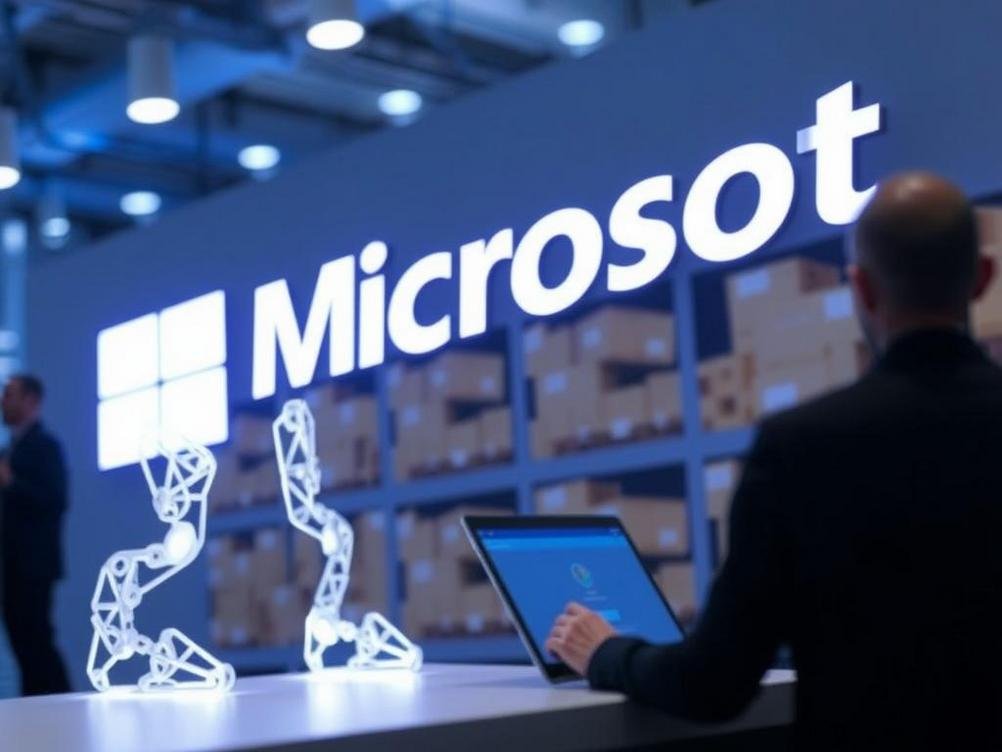
How Microsoft’s Latest AI Deal is Reshaping the Supply Chain (And Why You Should Care)
Ever wondered what happens when tech giants like Microsoft strike a massive AI deal? Picture this: you’re scrolling through your feed, and boom, there’s news about Microsoft inking another game-changing partnership, this time highlighting how intertwined the AI supply chain really is. It’s like untangling a ball of yarn that’s been knotted by AI wizards – one wrong pull, and the whole thing could unravel. This latest deal isn’t just about big numbers and boardroom handshakes; it’s a wake-up call to how AI is woven into everything from your smartphone to global economies. We’re talking about partnerships that could speed up innovation, but also raise eyebrows over things like data privacy and competition. As someone who’s followed the AI beat for a while, I can’t help but chuckle at how these deals often feel like high-stakes poker games where everyone’s bluffing with tech jargon. In this article, we’ll dive into the nitty-gritty of Microsoft’s move, explore what it means for the AI world, and maybe even throw in a few laughs along the way. So, grab a coffee, settle in, and let’s unpack this mess – because if AI’s supply chain is getting tighter, we all need to pay attention before it squeezes us out.
What Exactly is This Microsoft AI Deal?
You know how companies love to drop bombshells without spelling everything out? Well, Microsoft’s latest AI deal is basically them teaming up with key players in the supply chain to boost their AI capabilities. We’re talking about partnerships that involve chip makers, data centers, and even software developers, all aimed at making AI faster and more efficient. It’s not just a simple handshake; it’s like building a superhighway for AI data to zip through. From what I’ve read, this deal emphasizes how reliant everyone is on each other – think of it as a giant Jenga tower where one block wobbles, and the whole thing might topple.
But let’s keep it real: why should you care? If you’re into tech, this could mean quicker AI tools hitting the market, like better chatbots or smarter search engines. I remember when I first heard about it; I was like, ‘Finally, something that might make my workday less of a headache.’ On the flip side, it’s a reminder that AI doesn’t just magically appear – it relies on a complex web of suppliers. For instance, Microsoft is leaning on companies like NVIDIA for those powerhouse chips, which are the heart of AI processing. It’s all interconnected, and this deal puts a spotlight on that dependency.
- Key players involved: Chip manufacturers, cloud providers, and data suppliers.
- Potential benefits: Faster AI development and more integrated tech ecosystems.
- A funny analogy: It’s like a potluck dinner where everyone brings a dish, but if one person forgets the main course, you’re all eating salad for days.
The Tangled Web of the AI Supply Chain
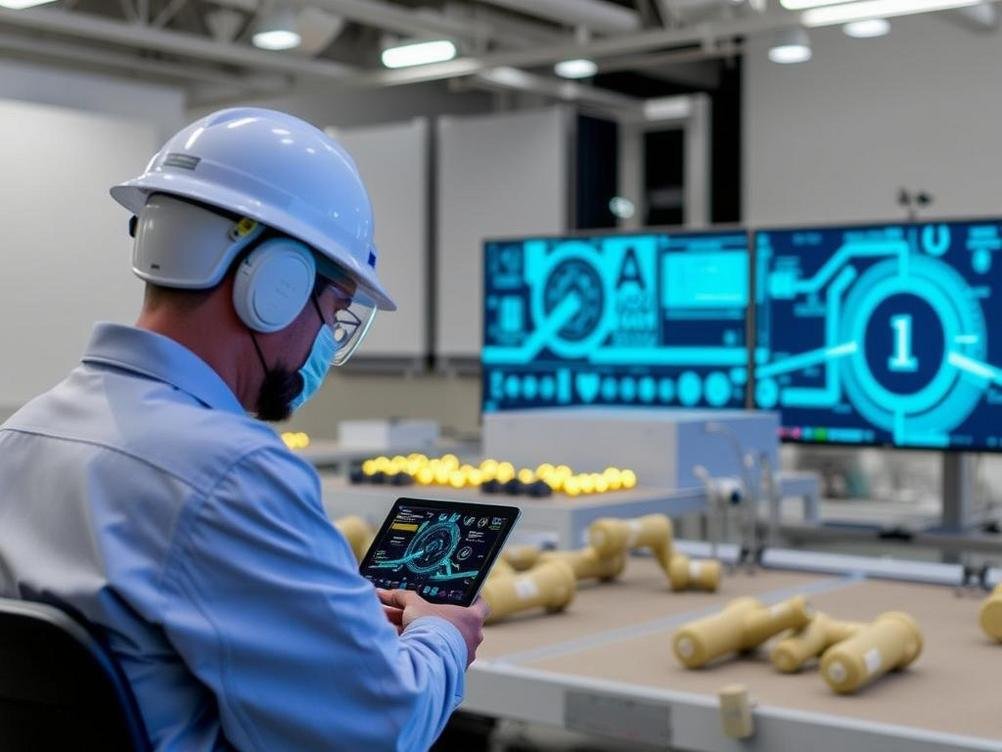
Alright, let’s get into the juicy bits – the AI supply chain is messier than my garage after a weekend project. Imagine trying to trace where your morning coffee comes from; now multiply that by a thousand for AI. Microsoft’s deal shines a light on how raw materials like rare earth metals for chips, massive data sets, and even energy sources all play a role. It’s not just about the end product; it’s the whole journey from mining to manufacturing to your device. This deal highlights how tight these links are, meaning disruptions anywhere can cause ripples everywhere.
Take, for example, how a shortage of semiconductors during the pandemic threw the tech world into chaos. Microsoft’s partnership is basically an insurance policy against that, ensuring they have first dibs on critical components. It’s smart, but it also raises questions about fairness – are smaller companies getting left in the dust? I mean, it’s like the popular kids at school hogging all the pizza; the rest of us are stuck with crumbs. According to recent reports from sources like Reuters, the AI supply chain is projected to grow by 20% annually, making these deals even more crucial.
- Components of the chain: Raw materials, hardware production, software integration, and deployment.
- Real-world impact: If one link breaks, it could delay everything from AI research to consumer gadgets.
- A bit of humor: It’s like a game of telephone where the message starts as ‘AI is awesome’ and ends up as ‘Buy more chips now!’
Why This Deal is a Big Deal for Innovation
Okay, so Microsoft’s AI deal isn’t just about flexing muscles; it’s fueling the innovation engine. By tightening those supply chain links, they’re paving the way for breakthroughs in areas like machine learning and predictive analytics. Think about it: if AI can process data faster, we might see things like personalized healthcare or smarter cities sooner than we thought. I’ve always been a fan of how these deals push boundaries, but let’s not kid ourselves – it’s also about staying ahead of competitors like Google or Amazon.
From what I’ve gathered, this partnership could lead to more efficient AI models that use less energy, which is a win for the planet. Stats from Statista show that AI’s carbon footprint is a growing concern, with data centers alone consuming massive amounts of power. Microsoft’s move might help cut that down, making AI more sustainable. It’s like finally getting that eco-friendly upgrade on your car – feels good, right? But, hey, it’s not all rainbows; there’s always the risk of over-reliance on a few suppliers.
The Downside: Risks and Roadblocks in the AI Chain
Every silver lining has a cloud, and Microsoft’s deal is no exception. While it’s exciting, it exposes vulnerabilities in the AI supply chain, like geopolitical tensions or cyberattacks. If a key supplier in, say, Taiwan faces issues, it could halt progress worldwide. I’ve heard stories from industry insiders about how fragile this all is, and it makes me nervous – it’s like building a house on sand when you know a storm’s coming.
Plus, there’s the ethical angle. With tighter links, who controls the data? Microsoft’s deal might streamline things, but it could also lead to monopolistic practices. Remember the antitrust lawsuits against big tech? They’re not going away. As per articles on Wired, nearly 60% of AI supply chain experts worry about data privacy. It’s a bit like inviting friends over but realizing they’re snooping through your stuff – fun at first, but quickly annoying.
- Common risks: Supply shortages, security breaches, and regulatory hurdles.
- How to mitigate: Diversifying suppliers and investing in robust cybersecurity.
- A light-hearted take: It’s like dating – too much dependence on one person, and you’re in for heartbreak.
What’s in It for Businesses and Everyday Folks?
So, how does this affect you and me? Microsoft’s AI deal could trickle down to make business tools more accessible and affordable. Imagine small businesses using AI for better customer insights without breaking the bank. It’s empowering, really – like giving David a slingshot to take on Goliath. This deal might lower costs in the long run by optimizing the supply chain, leading to cheaper AI services for everyone.
For the average person, that means smarter devices and apps. Think about your phone getting updates that make it predict what you need before you even know. Reports from Forbes suggest that AI integration in daily life could save users hours weekly. But, let’s not get too starry-eyed; it also means more ads tailored to your every whim, which is both cool and creepy. I often joke that my phone knows me better than my spouse – and that’s saying something!
- Benefits for businesses: Cost savings, improved efficiency, and competitive edge.
- Perks for consumers: Enhanced user experiences and personalized tech.
- Potential downsides: Increased surveillance and dependency on tech giants.
Looking Ahead: Future Trends in AI Partnerships
As we wrap our heads around this deal, it’s clear that AI partnerships are only going to get more intricate. Microsoft’s move might set a precedent for how companies collaborate in the future, perhaps leading to global standards for AI supply chains. I’m optimistic – it’s like watching a plot twist in a sci-fi movie that actually makes sense. With advancements in quantum computing on the horizon, these ties could evolve into something revolutionary.
Experts predict that by 2030, AI supply chains will be even more integrated, according to projections from McKinsey. That means faster innovation, but also the need for better regulations. It’s a double-edged sword, isn’t it? On one hand, we get cool tech; on the other, we have to deal with the ethics. I like to think of it as upgrading from a flip phone to a smartphone – exciting, but with a learning curve.
Conclusion
In the end, Microsoft’s latest AI deal is a fascinating peek into the tightly knit world of AI supply chains, showing us just how connected and vulnerable it all is. We’ve covered the basics of what the deal entails, the risks involved, and why it matters for everyone from bigwigs to regular folks. It’s a reminder that while AI is sprinting ahead, we need to keep an eye on the road bumps like ethics and sustainability. As we move forward, let’s hope these partnerships lead to a brighter, more innovative future without leaving anyone behind. Who knows? Maybe your next big idea will be sparked by something like this – so stay curious, keep questioning, and let’s make the most of this AI ride together.