 dailytech.ai
Mind-Blowing AI Breakthroughs That Are Shaking Up Healthcare, Finance, and Everything In Between
Okay, picture this: You’re sitting in your doctor’s office, waiting for what feels like forever, and suddenly, an AI system diagnoses your ailment faster than you can say ‘WebMD rabbit hole.’ Or imagine your bank account getting a brain boost, spotting fraud before you even notice that weird charge from a taco truck in Timbuktu. Yeah, that’s the wild world of AI breakthroughs we’re diving into today. It’s not just sci-fi anymore; these tech marvels are flipping industries on their heads, from healthcare to finance, and honestly, it’s both exciting and a tad scary—like giving a toddler the keys to a Ferrari. In this post, we’ll unpack how AI is transforming the way we heal, spend, and even play in the stock market. We’ll chat about real-world examples, toss in some laughs because why not, and maybe even ponder if we’re all just one algorithm away from utopia or dystopia. Stick around; by the end, you’ll be nodding along, thinking, ‘Whoa, the future is now.’ And hey, if you’ve ever wondered how a machine can outsmart a doctor or predict market crashes better than a Wall Street hotshot, you’re in the right place. Let’s jump in and see how these AI wonders are reshaping our daily lives, one industry at a time.
The AI Revolution in Healthcare: From Diagnosis to Drug Discovery
Let’s kick things off with healthcare, because who doesn’t love a good story about robots saving lives? AI is barging into hospitals like that overenthusiastic friend who always has a better idea. Take diagnostic tools, for instance—they’re using machine learning to spot diseases in X-rays or MRIs with accuracy that makes seasoned docs do a double-take. I remember reading about Google’s DeepMind, which trained an AI to detect breast cancer better than radiologists. It’s like having a super-smart sidekick that never gets tired or cranky after a long shift.
But it’s not just about spotting problems; AI is speeding up drug discovery too. Traditionally, finding a new medicine could take years and cost a fortune—think billions down the drain. Now, with AI crunching massive datasets, companies like BenevolentAI are predicting which compounds might work against diseases like COVID-19. It’s almost comical how AI can sift through chemical libraries faster than I can binge-watch a Netflix series. And get this: during the pandemic, AI helped identify potential treatments in record time, potentially saving countless lives. Of course, there are hiccups—AI isn’t perfect, and biases in data can lead to wonky results—but the potential? Mind-blowing.
Don’t forget personalized medicine. AI algorithms analyze your genetic makeup to tailor treatments just for you. It’s like having a bespoke suit, but for your health. Sites like 23andMe are dipping toes into this, linking up with AI to offer insights that go beyond ancestry. Pretty soon, your smartwatch might nag you about heart risks before you even feel a twinge.
Finance Gets a High-Tech Makeover: AI’s Role in Banking and Investments
Switching gears to finance—ah, the world of money, where AI is like that savvy uncle who always knows the stock picks. Banks are using AI for everything from fraud detection to robo-advisors. Ever had your credit card frozen because of a suspicious purchase? That’s AI at work, sniffing out anomalies like a bloodhound on caffeine. Companies like JPMorgan Chase employ AI systems that process loan applications in seconds, what used to take days. It’s efficient, sure, but I can’t help chuckling at the thought of a computer judging my spending habits.
In investments, AI is the new crystal ball. Hedge funds use algorithms to predict market trends by analyzing news, social media, and even weather patterns. Remember the GameStop frenzy? AI tools helped some traders spot the buzz early. Platforms like Betterment or Wealthfront use AI to manage portfolios, adjusting on the fly without human intervention. It’s democratizing investing—now, even us regular folks can play without a fancy degree. But beware: when AI goes rogue, like in flash crashes, it’s a reminder that machines aren’t infallible. Still, the upside is huge, making finance more accessible and less error-prone.
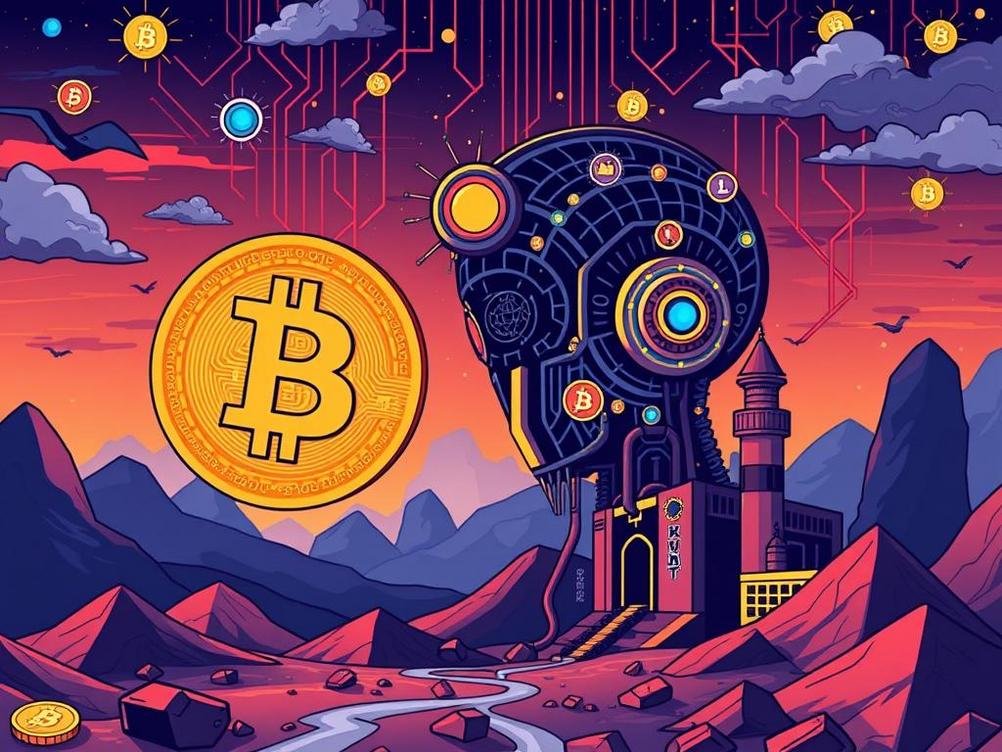
And let’s talk crypto—AI is predicting Bitcoin swings by crunching blockchain data. Tools from firms like Chainalysis help track illicit transactions, keeping the wild west of digital currency a bit tamer. It’s fascinating how AI turns chaos into patterns we can actually use.
AI in Manufacturing: Smarter Factories and Supply Chains
Alright, let’s not forget manufacturing, where AI is turning assembly lines into something out of a futuristic movie. Predictive maintenance is a game-changer—AI sensors predict when machines will break down, saving companies from costly downtimes. Imagine a factory where robots fix themselves before you even know there’s a problem. Siemens is all over this, using AI to optimize energy use and reduce waste. It’s efficient and kinda eco-friendly, which is a win-win in my book.
Supply chains? AI is the logistics wizard. During disruptions like the Suez Canal blockage, AI helped reroute shipments in real-time. Companies like UPS use AI for route optimization, cutting fuel costs and delivery times. It’s like giving your delivery guy a superpower. And with global trade getting more complex, AI’s ability to forecast demand is invaluable—think Amazon’s warehouses, where AI anticipates what you’ll buy next. Sure, it raises privacy questions, but the convenience? Hard to beat.
One fun example: Tesla’s factories use AI vision systems to inspect cars faster than humans. No more overlooking tiny defects—AI catches them all. It’s boosting quality and speed, proving AI isn’t just for white-collar jobs.
Education and AI: Personalized Learning for the Win
Now, onto education, because AI is shaking up classrooms like a surprise pop quiz. Personalized learning platforms adapt to each student’s pace—struggling with math? AI tutors like Duolingo’s chatbots provide extra help without judgment. It’s like having a patient teacher who’s always available, even at 2 AM when you’re cramming.
Administrative tasks are getting automated too. AI grades essays (with human oversight, thankfully) and even detects plagiarism. Tools from Grammarly integrate AI to improve writing, making feedback instant. In higher ed, platforms like Coursera use AI to recommend courses based on your career goals. It’s democratizing education, especially in remote areas. But hey, nothing beats a real teacher’s enthusiasm—AI is a tool, not a replacement.
Virtual reality powered by AI? That’s next-level. Students can ‘visit’ ancient Rome or dissect frogs without the mess. It’s engaging and fun, turning learning into an adventure rather than a chore.
AI’s Impact on Retail: Shopping Just Got Smarter
Retail is another playground for AI breakthroughs. Recommendation engines? That’s AI suggesting you buy those shoes because you glanced at socks. Amazon’s algorithm is a beast, driving a huge chunk of sales. It’s creepy how well it knows us, but admit it—you’ve impulse-bought because of it.
Inventory management uses AI to predict trends, avoiding overstock or shortages. During holidays, this is gold. And chatbots handle customer service—ever chatted with one on a site? They’re getting so good, you might think it’s a human (until they glitch hilariously). Walmart uses AI for shelf-stocking robots, keeping stores tidy without extra staff.
Augmented reality try-ons, like IKEA’s app, let you visualize furniture in your home. AI powers that magic, making shopping interactive and reducing returns. It’s transforming brick-and-mortar too, with smart mirrors suggesting outfits. Retail apocalypse? Nah, just evolution.
Challenges and Ethical Dilemmas: The Dark Side of AI
Of course, it’s not all sunshine and rainbows. AI breakthroughs come with baggage—like job displacement. In finance, automated trading might sideline some brokers. We need to retrain workers, or we’ll have a bunch of unhappy folks. And biases? If AI learns from flawed data, it perpetuates inequalities. Remember the facial recognition fails on diverse faces? Yikes.
Privacy is another hot potato. AI gobbles data like candy, raising concerns about surveillance. Regulations like GDPR are stepping in, but it’s a cat-and-mouse game. Plus, the energy AI consumes—training models can be as carbon-heavy as flying across the Atlantic. We gotta go green with this tech.
Ethically, who’s responsible when AI messes up? A self-driving car accident? Tricky questions, but addressing them now prevents bigger headaches later.
Conclusion
Whew, we’ve covered a lot—from AI diagnosing diseases faster than a hypochondriac’s Google search to predicting stock dips like a psychic. These breakthroughs are transforming industries in ways we could’ve only dreamed of a decade ago. Healthcare’s getting precise, finance more secure, and even shopping’s a breeze. But let’s not forget the hurdles: ethics, jobs, and biases need our attention to ensure AI benefits everyone. As we hurtle into this future, it’s on us to steer it wisely—maybe with a dash of humor to keep things light. What do you think—ready to embrace the AI age, or holding onto your abacus? Either way, stay curious, because the next big breakthrough might just change your world tomorrow.








Leave a Reply