dailytech.ai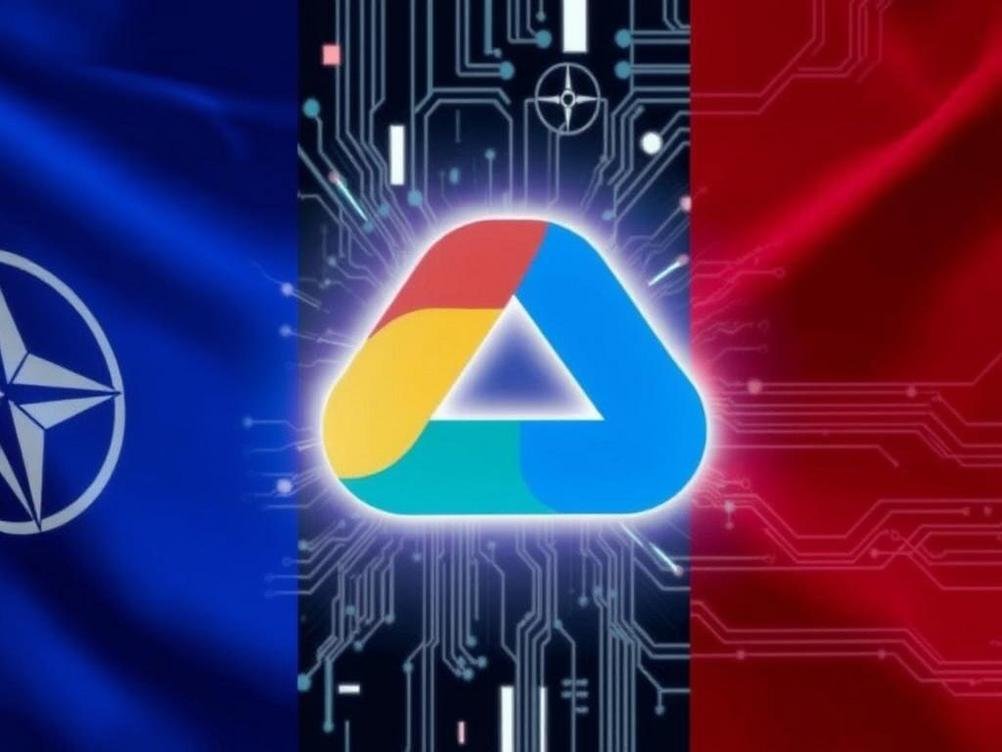
How NATO’s Mega Deal with Google Cloud is Shaking Up AI Security – And Why It Matters to You
Imagine this: You’re scrolling through your favorite news feed one lazy afternoon, sipping coffee, and you stumble upon a headline that sounds straight out of a spy thriller. NATO, the big kahuna of global defense, just inked a multi-million dollar pact with Google Cloud to amp up their AI game with something called a ‘sovereign cloud.’ Sounds fancy, right? Well, it’s not just tech jargon—it’s a game-changer in how countries protect their data in an era where AI is everywhere, from your smart home devices to military ops. This deal isn’t about robots taking over the world (yet), but it does highlight how AI is becoming the unsung hero in safeguarding national secrets. Think of it like giving your old family recipe book a high-tech vault instead of just a dusty shelf. As someone who’s followed AI’s wild ride, I can’t help but chuckle at how far we’ve come from sci-fi movies to real-world deals like this one. But here’s the real kicker: this partnership could reshape everything from international alliances to your everyday online privacy. Stick around, and I’ll break it all down in a way that’s as entertaining as it is eye-opening, without drowning you in boring details.
What Exactly is This NATO-Google Cloud Deal?
Okay, let’s cut to the chase—this deal is basically NATO teaming up with Google to build an AI-powered cloud that’s all about keeping data ‘sovereign.’ That means countries can use cutting-edge AI tools while keeping their sensitive info locked down tighter than Fort Knox. Picture this: Google, the same folks who make your searches lightning-fast, are now helping NATO ensure that military data doesn’t accidentally end up in the wrong hands. It’s a multi-million dollar handshake that screams, ‘We’re serious about security in the AI age.’ The agreement, announced recently, focuses on developing cloud infrastructure that’s compliant with strict regulations, so nations can innovate without worrying about data leaks.
What’s funny about this is that just a few years ago, people were joking about Google taking over the world with their algorithms. Now, they’re the go-to partners for global defense? Irony at its finest. This isn’t just about tech; it’s about trust. NATO members get access to Google’s AI wizardry, like machine learning for threat detection, but with the promise that their data stays within their borders. If you’re into geopolitics, this could be seen as a smart move to counter rivals like China in the AI arms race. And hey, if you’re a regular Joe, it might make you think twice about how your own data is handled by big tech.
For a deeper dive, check out Google’s official blog on sovereign cloud solutions, which explains how they’re tailoring tech for government needs (cloud.google.com/solutions/sovereign-cloud). It’s worth a read if you want to geek out on the specifics.
Why Does Sovereign Cloud Matter in the AI World?
You might be wondering, ‘What’s the big fuss about sovereign cloud?’ Well, in simple terms, it’s like having your own private island in the vast ocean of the internet. Traditional clouds mix everyone’s data together, which is fine for sharing cat videos, but disastrous for sensitive stuff like military intel. With AI getting smarter by the day, countries are freaking out about data sovereignty—ensuring that AI doesn’t accidentally spill secrets across borders. This NATO deal puts a spotlight on that, making sure AI tools can analyze threats without compromising privacy.
Let me paint a metaphor: Imagine AI as a super-smart detective, but without sovereign cloud, it’s like that detective sharing notes with everyone in the neighborhood. Not ideal if you’re hiding state secrets! This partnership means NATO can use AI for things like predicting cyberattacks or monitoring drones, all while keeping data under lock and key. Statistics from recent reports show that data breaches cost governments billions annually—according to a 2024 IBM study, the average cost hit $4.45 million per incident. That’s why deals like this are popping up everywhere, from Europe to Asia.
- Key benefits include enhanced security protocols that block unauthorized access.
- It allows for faster AI innovation without the red tape of international data laws.
- And let’s not forget, it could inspire other sectors, like healthcare, to adopt similar models for patient data protection.
The Tech Behind This AI-Enabled Power Play
Diving deeper, the tech in this deal is pretty slick. Google’s AI tools, like their TensorFlow platform, are being adapted for NATO’s needs, creating a customized cloud that’s all about sovereignty. It’s not just servers in a room; we’re talking advanced machine learning that can process massive amounts of data in real-time. For instance, AI could help NATO analyze satellite imagery faster than you can say ‘007,’ spotting potential threats before they escalate.
Here’s where it gets fun—think of this as Google lending NATO their secret sauce, but with a ‘no peeking’ rule. They’ve got encryption methods that make data as secure as a bank’s vault, and AI algorithms that learn from patterns without exposing details. A real-world example? During the Ukraine conflict, AI was used for intelligence gathering, and tools like this could prevent similar scenarios from turning into data nightmares. It’s tech that’s both powerful and prudent, which is rarer than a polite debate on social media.
- First, Google provides the infrastructure, but NATO calls the shots on data handling.
- Second, AI integration means automated threat detection, saving hours of manual work.
- Finally, it’s scalable, so as AI evolves, NATO can upgrade without starting from scratch.
How This Deal Could Impact Global Security
Now, let’s talk about the ripple effects. This NATO-Google hookup isn’t just a one-off; it could redefine how alliances handle AI in security. For starters, it sets a precedent for other organizations to follow, making AI a standard tool in defense strategies. Imagine a world where AI helps predict conflicts, like weather forecasts but for geopolitics—pretty wild, huh? The deal emphasizes collaboration, which is crucial in a fragmented world where cyber threats are on the rise.
But let’s add a dash of humor: It’s like NATO finally catching up with the kids who grew up on video games, where AI bosses are the norm. Seriously though, with AI-driven security, we might see fewer international hiccups, like the SolarWinds hack that exposed vulnerabilities back in 2020. According to cybersecurity experts at organizations like the Atlantic Council, AI could reduce breach risks by up to 30% with proactive measures. This deal might even encourage more public-private partnerships, blending big tech’s innovation with government’s caution.
- One potential downside? Over-reliance on a single provider like Google could create new risks if things go south.
- On the flip side, it promotes ethical AI use, ensuring tools aren’t weaponized irresponsibly.
- And for everyday folks, it could lead to better online protections, like stronger personal data laws inspired by this model.
Common Misconceptions and Funny Takes on AI in Defense
Alright, let’s lighten things up because not everything about AI and defense is deadly serious. One big misconception is that this deal means robots will be marching in parades—spoiler: it’s more about data crunching than killer drones. People often think AI is infallible, like in the movies, but in reality, it’s as prone to glitches as your phone’s autocorrect. This NATO partnership is a reminder that AI is a tool, not a magic wand, and it’s hilarious how folks mix it up with sci-fi.
For example, I once heard someone joke that Google might accidentally turn NATO’s cloud into a search engine for lost socks—exaggerated, sure, but it highlights the need for oversight. In truth, sovereign cloud adds layers of human checks, making sure AI doesn’t run amok. A study from Gartner in 2025 predicts that by 2027, 75% of enterprises will adopt similar frameworks to avoid these pitfalls. So, while it’s easy to poke fun, this deal is a step toward responsible AI evolution.
To wrap this section, if you’re skeptical, remember: AI in defense is like having a guard dog—useful, but you still need to train it properly. Check out resources from NATO’s own site for more laughs and insights (nato.int).
Looking Ahead: The Future of AI in Global Affairs
Fast-forward a bit—what’s next for AI after this blockbuster deal? We’re probably looking at a domino effect, where more countries jump on the sovereign cloud bandwagon. This could lead to a new era of AI diplomacy, where tech bridges gaps between nations rather than widening them. Think international AI summits or shared platforms that foster peace—sounds idealistic, but hey, stranger things have happened.
From a broader perspective, this deal might inspire innovations in other fields, like climate monitoring or disaster response, where AI’s predictive powers shine. And with the date being late 2025, we’re already seeing trends like quantum AI on the horizon, which could make this setup even more robust. It’s exciting, but let’s not get ahead of ourselves; as with any tech, there are ethical questions to tackle, like ensuring AI doesn’t favor one nation over another.
- Emerging trends include AI for peacekeeping missions, using data to de-escalate tensions.
- Challenges ahead might involve regulatory hurdles, but that’s what makes it interesting.
- Ultimately, it could democratize AI access, helping smaller nations level the playing field.
Conclusion
Wrapping this up, the NATO-Google Cloud deal is more than just a headline—it’s a bold step into an AI-driven future that’s both thrilling and a tad nerve-wracking. We’ve covered how it bolsters security, the tech involved, and even some lighthearted misconceptions, showing that AI isn’t just about gadgets; it’s about real-world impacts. As we move forward, let’s keep an eye on how this evolves, because in the end, it’s all about using tech for the greater good. Who knows, maybe one day we’ll look back and laugh at how we ever doubted AI’s potential. Stay curious, folks, and remember: in the world of AI, the sky’s not the limit—it’s just the beginning.