dailytech.ai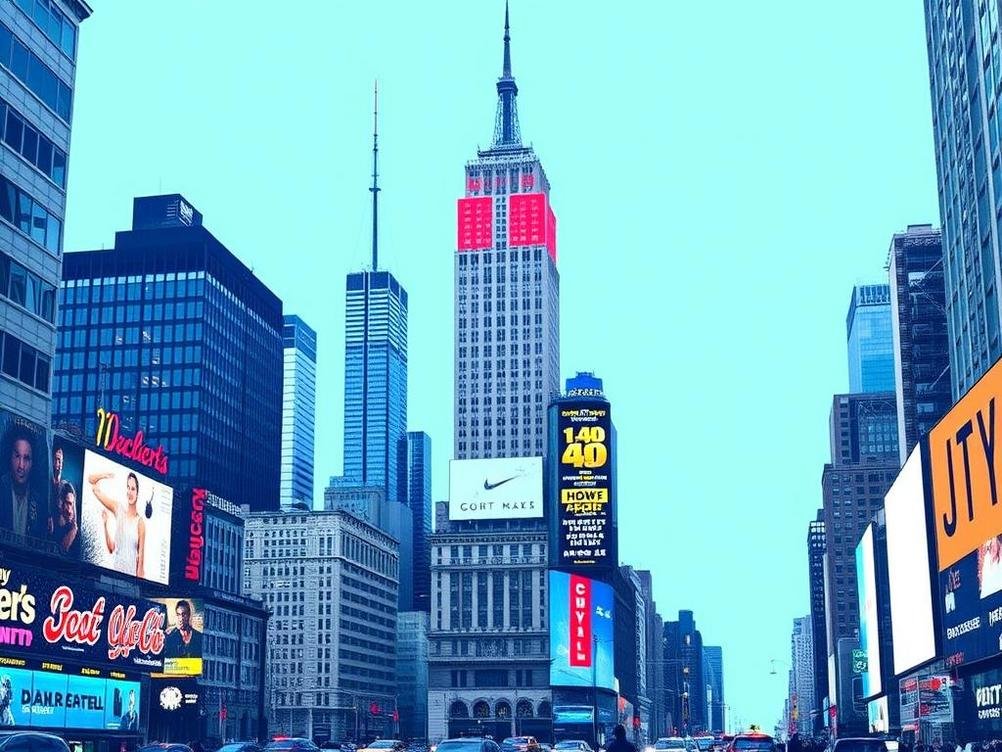
How New York’s Latest AI Rules Are Revolutionizing Advertising and Safeguarding Stars
Imagine this: You’re flipping through your favorite streaming service, and suddenly, you see an ad featuring a dead-ringer for your favorite celebrity hawking some sketchy product. But wait, it’s not them—it’s AI magic at play, and it’s got everyone from Madison Avenue execs to Hollywood bigwigs up in arms. That’s exactly the kind of chaos New York State is stepping in to fix with their brand-new rules on AI in advertising and performer rights. Enacted just recently, these regs are like a digital referee finally blowing the whistle on the Wild West of tech. We’re talking about protecting actors, musicians, and even influencers from sneaky deepfakes while making sure ads don’t turn into deceptive nightmares. It’s a big deal because, let’s face it, in a world where AI can make anyone say anything, who’s to say your idol isn’t secretly endorsing that questionable energy drink?
This isn’t just another bureaucratic snoozefest; it’s a game-changer for how we handle creativity and commerce in the AI age. Think about it—New York’s always been at the forefront of cultural trends, from Broadway lights to Times Square billboards, so it’s no surprise they’re leading the charge here. These rules aim to strike a balance: encouraging innovation without letting it run roughshod over people’s rights. We’ve got restrictions on how AI can generate or manipulate images, voices, and likenesses in ads, plus some solid safeguards for performers. It’s like putting a seatbelt on the AI rollercoaster. As someone who’s geeked out on tech for years, I can’t help but chuckle at how fast things are moving—remember when AI was just that quirky robot in sci-fi movies? Now, it’s reshaping industries, and New York’s saying, ‘Not so fast, buddy.’ In the next few sections, we’ll dive deeper into what these rules mean, why they matter, and how they might just save us from a future of fake endorsements. Stick around; you might learn something that’ll make you rethink that next viral ad you see.
What Exactly Are New York’s New AI Rules?
Okay, let’s break this down without getting too bogged down in legalese—because who has time for that? New York’s latest legislation, which kicked in around late 2025, is basically a set of guidelines that say AI can’t just waltz into advertising and start impersonating people left and right. We’re talking about requiring explicit consent for using someone’s likeness in AI-generated ads. For instance, if a company wants to use AI to make it look like a famous actor is promoting their sneakers, they gotta get the okay first—or face some hefty fines. It’s like asking for permission before borrowing your buddy’s car; common courtesy, but now it’s the law.
Another key part is transparency. Ads using AI have to disclose it upfront, maybe with a little disclaimer like ‘This features AI-generated content’—think of it as the nutritional label for digital media. This isn’t just about celebrities; it covers everyday folks too, like if an AI version of you shows up in a local ad without your say-so. And for performers, there’s extra protection against things like deepfakes in entertainment ads. I mean, can you imagine the uproar if an AI Taylor Swift started shilling for a rival brand? These rules are New York’s way of saying, ‘Let’s keep it real, folks.’ To put it in perspective, similar laws are popping up elsewhere, like in California, but New York’s version is a bit more teethy, with enforcement from the state’s attorney general.
- Consent requirements: No AI use of likenesses without clear approval.
- Transparency mandates: Ads must label AI elements to avoid misleading consumers.
- Fines and penalties: Up to thousands per violation, which could really sting big advertisers.
Why Advertising Is Getting a Major Shake-Up
Advertising has always been a bit of a free-for-all, but AI threw a wrench into that. With tools like generative AI from companies such as OpenAI (you can check out their site at openai.com), brands can whip up hyper-realistic campaigns in minutes. New York’s rules are forcing a rethink, making sure that creativity doesn’t cross into creepiness. For example, an ad agency might have to pause and verify if that AI-crafted influencer video is kosher, which could slow things down but ultimately builds trust.
It’s not all bad news, though. These regs could spark more authentic advertising, pushing companies toward original content instead of cheap AI knockoffs. Remember that viral AI-generated Super Bowl ad fiasco a couple years back? Yeah, stuff like that is what prompted this. Humorously, it’s like telling a kid they can’t use Photoshop to fake their report card—sure, it’s fun, but it leads to trouble. In the long run, this might even level the playing field for smaller businesses who can’t afford fancy AI tools anyway.
- Pros: Encourages ethical practices and reduces consumer deception.
- Cons: Could hike up production costs for ads, making it tougher for startups.
- Real impact: Expect to see more ‘Made with Real Humans’ badges on campaigns soon.
How Performer Rights Are Finally Getting Some Love
Let’s talk about the stars of the show—literally. Performers have been dealing with AI threats for ages, like when an AI voice clone of a singer goes viral without permission. New York’s rules step in to protect their rights, ensuring that AI doesn’t steal the spotlight. For actors and musicians, this means they can negotiate better contracts that specifically address AI usage, kind of like how musicians fought for streaming royalties back in the day.
Take deepfakes, for instance; they’re not just a Hollywood problem. An AI could recreate a performer’s dance moves for a commercial without them ever stepping on set. These new laws require proper attribution and compensation, which is a win for artists. I find it kinda ironic—AI was supposed to make life easier, but now it’s got everyone lawyering up. If you’re a performer, think of this as your personal shield in the digital arena.
- Require contracts to include AI clauses for rights protection.
- Mandate compensation for any AI use of likenesses.
- Provide pathways for performers to challenge unauthorized uses.
The Real-World Ripple Effects on Businesses
Businesses in New York are already feeling the pinch—or the push, depending on how you look at it. Ad firms have to rework their strategies, maybe investing in human-verified AI tools from places like Adobe (check out adobe.com for their creative suite). This could mean more jobs for content creators, which is a silver lining. But let’s be real, it’s also adding layers of bureaucracy that might make launching a campaign feel like navigating a maze.
Still, there’s opportunity here. Companies that adapt quickly could stand out as ethical leaders. Imagine a brand bragging, ‘Our ads are 100% human-approved!’—that’s gold in today’s skeptical market. It’s like how organic food labels boosted sales; transparency sells. Plus, with AI regulations spreading globally, New York’s ahead of the curve, giving local businesses a head start.
Potential Hiccups and a Dose of Humor
Of course, nothing’s perfect. Enforcing these rules might be tricky, especially with AI evolving faster than regulations can keep up. What if an AI ad slips through the cracks? It’s like trying to catch a greased pig at a county fair—messy and unpredictable. And don’t get me started on the lawsuits; we’re probably in for a wave of them as companies test the boundaries.
On a lighter note, picture this: An AI-generated ad for a coffee brand features a botched celebrity endorsement, like a famous chef accidentally promoting instant noodles instead of gourmet beans. Hilarious, right? These rules could prevent such blunders, saving everyone from embarrassment. In all seriousness, though, they’re a step toward a more balanced future where tech serves us, not tricks us.
Looking Ahead: The Bigger Picture
As we wrap our heads around these changes, it’s clear that New York’s AI rules are just the beginning. Other states might follow suit, creating a patchwork of regulations that could standardize globally. For consumers, this means more trustworthy ads and better protection for the people we admire. It’s exciting to think about how this could evolve into broader AI ethics.
For creators and businesses, it’s a call to innovate responsibly. Who knows, maybe we’ll see AI tools that build in compliance from the get-go. Either way, it’s a reminder that technology needs human guardrails to thrive.
Conclusion
In the end, New York’s new AI rules on advertising and performer rights are a breath of fresh air in a smoggy digital world. They’ve got the potential to foster creativity while curbing the risks, making sure that AI enhances rather than hijacks our experiences. As we move forward, let’s keep an eye on how these play out—because if there’s one thing we’ve learned, it’s that tech waits for no one. Whether you’re in marketing, entertainment, or just scrolling through ads, these changes could make your world a little more genuine and a lot less glitchy. Here’s to hoping they inspire more smart regulations and fewer AI mishaps—what do you say, ready for a future where tech and humanity high-five instead of headbutt?