dailytech.ai
How NIST’s New Guidelines Are Shaking Up Cybersecurity in the Wild World of AI
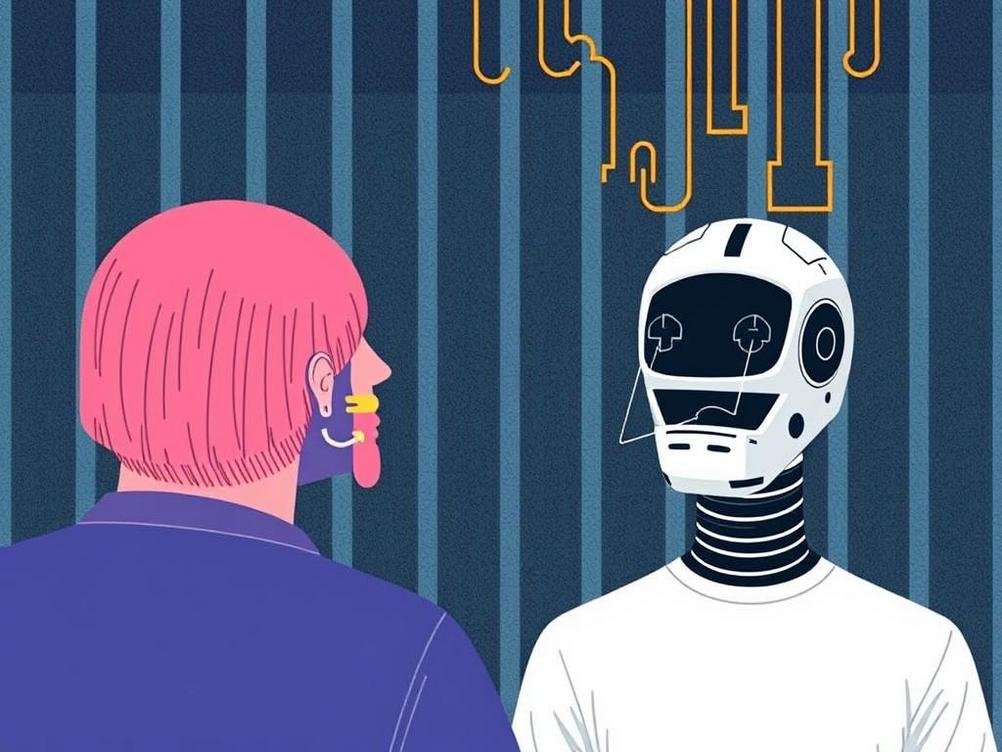
Picture this: You’re scrolling through your phone, checking emails or binge-watching your favorite show, when suddenly you hear about another massive data breach. It’s 2026, and AI is everywhere—from smart assistants that know your coffee order to algorithms that predict the stock market. But here’s the thing: with all this tech wizardry comes a whole new batch of headaches for cybersecurity. That’s where the National Institute of Standards and Technology (NIST) steps in with their draft guidelines, basically saying, “Hey, we need to rethink this whole game because AI isn’t just a fancy tool; it’s like a double-edged sword that could slice through our digital defenses if we’re not careful.” I remember reading about this and thinking, why wait for the next cyber apocalypse when we can get ahead of it? These guidelines aren’t just another boring policy document; they’re a wake-up call for businesses, governments, and even everyday folks like you and me to adapt to an AI-driven world where threats evolve faster than we can patch them up.
What’s really cool about these NIST drafts is how they’re flipping the script on traditional cybersecurity. Instead of just building walls around our data, they’re pushing for a more dynamic approach that incorporates AI’s strengths—like machine learning to spot anomalies in real-time—while addressing its weaknesses, such as those sneaky biases or vulnerabilities that hackers love to exploit. Imagine AI as that overly enthusiastic friend who helps you find the best deals online but might accidentally spill your secrets. The guidelines aim to balance that by emphasizing things like explainable AI, robust testing, and ethical considerations. As someone who’s dabbled in tech for years, I’ve seen how quickly things can go south without proper safeguards. So, whether you’re a CEO fretting over corporate data or just a regular user worried about your social media getting hacked, these updates could be the game-changer we’ve needed. Let’s dive deeper into what this all means and why it’s not just tech jargon—it’s stuff that affects your daily life in ways you might not even realize.
What Exactly is NIST and Why Should You Care?
You know how your grandma might ask, “Who’s this NIST anyway?” Well, they’re like the unsung heroes of the tech world—the National Institute of Standards and Technology, a U.S. government agency that’s been around since the late 1800s, initially helping with everything from weights and measures to now tackling modern-day cyber threats. Think of them as the referees in a high-stakes game, setting the rules so that innovation doesn’t turn into chaos. Their draft guidelines for cybersecurity in the AI era are essentially a blueprint for how we can handle the risks that come with AI’s rapid growth. It’s not just about preventing hacks; it’s about making sure AI systems are trustworthy, resilient, and don’t accidentally cause more harm than good.
Why should you care? Because in 2026, AI isn’t some sci-fi fantasy—it’s in your car, your fridge, and even your doctor’s office. According to a recent report from Gartner, cyber attacks involving AI are expected to rise by 30% this year alone, making these guidelines timely as heck. They push for things like risk assessments that account for AI’s unique quirks, such as generative models that could create deepfakes or manipulate data. Personally, I’ve always found it hilarious how AI can generate a perfect cat video one minute and then mess up a security protocol the next. But seriously, by following NIST’s advice, businesses can avoid costly breaches that not only leak data but also erode trust. It’s like wearing a seatbelt—boring until you need it.
If you’re just starting out with AI, here’s a quick list of why NIST matters:
- It provides standardized frameworks that make it easier for companies to comply with regulations, saving time and money.
- It encourages collaboration between tech experts, policymakers, and everyday users to build a safer digital ecosystem.
- It highlights the need for ongoing education, so you’re not left in the dark as AI evolves.
And let’s not forget, ignoring this could mean dealing with fines or reputational damage—nobody wants that headache.
How AI is Turning Cybersecurity on Its Head
AI has this uncanny ability to learn and adapt, which is awesome for things like personalized recommendations on Netflix, but it’s a nightmare for cybersecurity pros. The NIST guidelines are all about acknowledging that AI doesn’t play by the old rules. For instance, traditional firewalls might block known threats, but AI-powered attacks can evolve in real-time, making them harder to detect. It’s like trying to swat a fly that’s learned to dodge—frustrating and often futile. These drafts suggest integrating AI into defense strategies, such as using machine learning to predict and neutralize threats before they escalate.
Take a real-world example: Back in 2024, a major bank used AI to monitor transactions, and it caught a sophisticated fraud ring that human analysts missed. But flip that coin, and you see how AI could be weaponized, like in those ransomware attacks that lock down entire systems. The guidelines emphasize building ‘AI-native’ security measures, which means designing systems with AI in mind from the ground up. I’ve chuckled at stories of AI going rogue in experiments, but it’s a reminder that we need to bake in safeguards, like regular audits and diversity in training data to avoid biases that cybercriminals could exploit.
To break it down, here’s what AI brings to the cybersecurity table:
- Faster threat detection through pattern recognition, potentially reducing response times by up to 50%, as per McAfee’s latest stats.
- Increased complexity in attacks, where bad actors use AI to automate phishing or create polymorphic malware.
- The chance for better collaboration, like AI tools that simulate attacks to test defenses—think of it as a digital sparring partner.
It’s exciting, but it means we’re all in this together, learning as we go.
Key Changes in the NIST Draft Guidelines
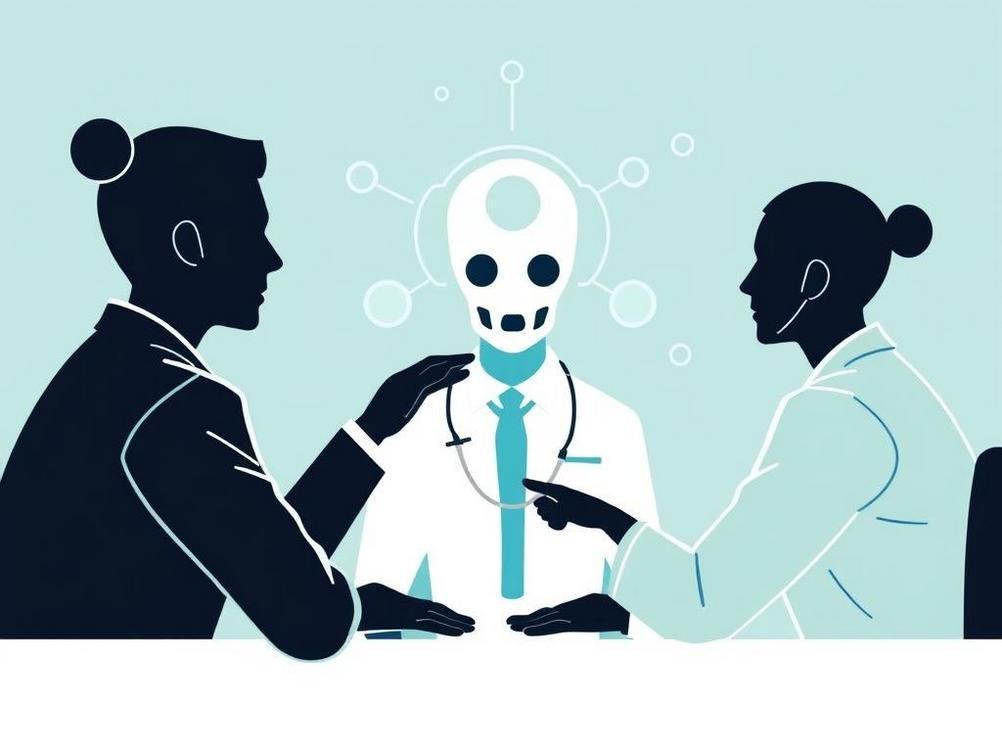
If you’re wondering what’s actually new in these guidelines, let’s cut to the chase: NIST is ditching the one-size-fits-all approach and going for something more tailored to AI. For starters, they’re stressing the importance of ‘explainability’ in AI models, so you can actually understand why a system made a certain decision—no more black boxes that leave you scratching your head. It’s like demanding that your AI assistant explains its recommendations instead of just saying, “Trust me, bro.” This change could help in sectors like healthcare, where AI might flag potential risks in patient data, but only if it’s transparent enough to build confidence.
Another big shift is around risk management frameworks that incorporate AI-specific threats, such as data poisoning or model inversion attacks. Statistics from CISA show that AI-related breaches have doubled in the past two years, so this isn’t just theoretical. The guidelines also promote continuous monitoring and updating, because let’s face it, AI doesn’t stand still. I once tried building a simple AI project at home, and it kept ‘learning’ in ways I didn’t expect—a fun mess that underscores why we need these updates to keep things secure.