dailytech.ai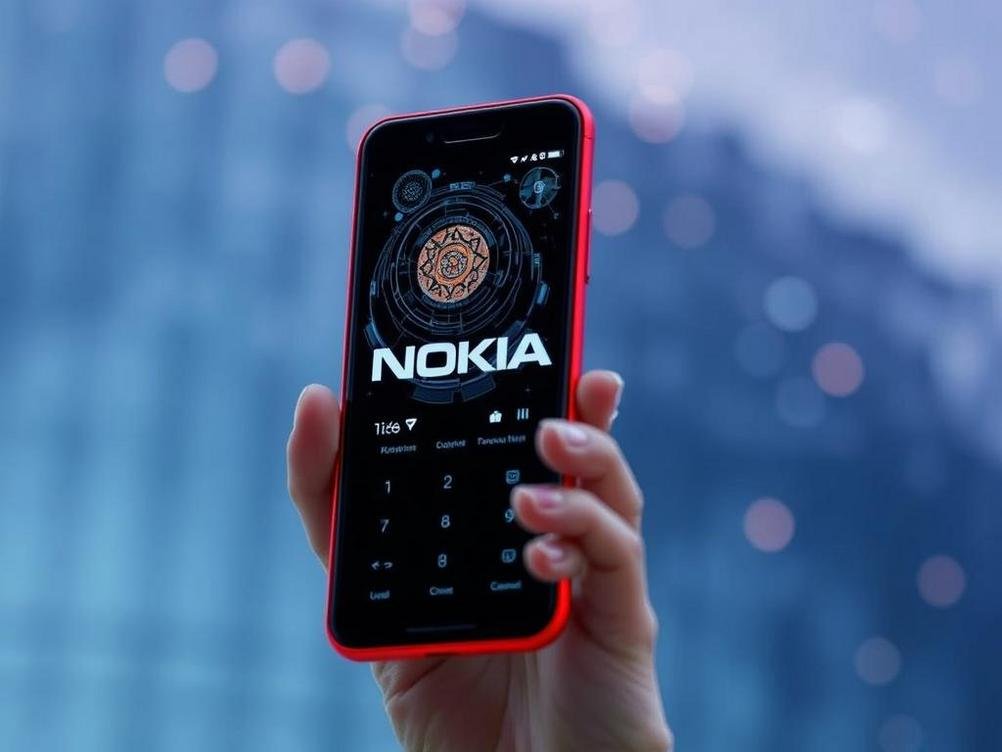
How Nokia is Riding the AI Wave and Leaving the Old Days Behind
Okay, let’s kick things off with a little trip down memory lane—you know, back when Nokia was the king of unbreakable phones that could survive a drop from the Empire State Building? Those were the days, right? Fast forward to now, in 2025, and Nokia’s not just twiddling its thumbs; they’re making some bold moves to dive headfirst into the AI infrastructure boom. It’s like watching your favorite band switch genres—surprising at first, but hey, if it means better hits, we’re all for it. This shift isn’t just about keeping up; it’s about leading the charge in a world where AI is basically the new electricity, powering everything from your smart fridge to global data centers. Think about it: with AI gobbling up more energy and data than ever, companies like Nokia are streamlining their operations to focus on building the backbone of this tech revolution. It’s exciting, a bit nerve-wracking, and full of potential pitfalls, but if you’re into tech, business, or just curious about how the world’s changing, this is a story you won’t want to miss. We’re talking job shakes, innovation leaps, and maybe even a few laughs at how far we’ve come from those nostalgic ringtone days. So, grab a coffee, settle in, and let’s unpack why Nokia’s pivot could be the game-changer we didn’t know we needed.
What’s Driving Nokia’s Big Shake-Up?
You ever feel like life’s throwing you a curveball, forcing you to adapt or get left in the dust? That’s exactly what’s happening with Nokia right now. The company, once synonymous with durable mobile phones, has been hit hard by the tech shifts of the past decade—think smartphones overtaking the market and now AI stealing the spotlight. According to recent reports from industry analysts like those at Gartner, the global AI infrastructure market is projected to hit $500 billion by 2027, and Nokia’s not about to sit this one out. They’re streamlining by cutting down on non-core businesses, like some of their lesser hardware lines, to pour resources into AI-driven networking and data centers. It’s like decluttering your garage—you toss out the junk to make room for the good stuff.
But why now? Well, it’s all about timing. With AI applications exploding everywhere from autonomous vehicles to personalized healthcare, the demand for robust infrastructure is insane. Nokia’s got a leg up here because of their expertise in telecom networks, which are basically the highways for AI data. Imagine AI as a fleet of speedy race cars; without solid roads, they’re going nowhere. That’s where Nokia steps in, aiming to build those roads faster and smarter. And let’s not forget the competitive pressure—rivals like Ericsson and Huawei are already deep in the AI game, so Nokia’s move feels like a necessary sprint to catch up. If you’re a business owner, this could mean cheaper, more reliable AI tools down the line, but it also raises questions: Will this really pan out, or is it just another corporate fad?
To break it down, here’s a quick list of the key factors pushing Nokia’s change:
- Economic pressures: Rising costs in traditional sectors are forcing cuts, freeing up cash for AI investments.
- Market trends: AI is forecasted to create over 97 million new jobs by 2025, per the World Economic Forum, and Nokia wants a slice of that pie.
- Tech advancements: Innovations in 5G and edge computing are making AI infrastructure more feasible, and Nokia’s already got the tech to play ball.
Diving into the AI Infrastructure Boom—What’s All the Fuss?
If you’re scratching your head wondering what ‘AI infrastructure’ even means, don’t worry—it’s not as complicated as it sounds, but it’s definitely as important as, say, the foundation of a house. Basically, it’s the underlying tech that makes AI work smoothly, like servers, networks, and data storage that handle massive amounts of info without breaking a sweat. Nokia’s betting big on this because, let’s face it, AI isn’t just a trend; it’s reshaping industries faster than a kid rearranging their room before bedtime. We’re talking about everything from cloud computing to specialized chips that crunch data in real-time, and with global data creation expected to reach 175 zettabytes by 2025 (that’s a number with 21 zeros—yikes!), the boom is real.
Now, here’s where it gets fun: Nokia isn’t just jumping on the bandwagon; they’re customizing it. By focusing on AI-specific infrastructure, they’re helping build out networks that can support things like smart cities or even AI-powered healthcare diagnostics. Think about it—if AI can predict traffic jams or detect diseases early, that’s a game-changer, but it all hinges on reliable infrastructure. And with governments worldwide pouring billions into AI projects, like the EU’s recent 7.5 billion euro fund for digital tech, companies like Nokia are poised to win big contracts. It’s almost like they’re the unsung heroes behind the curtain, making sure the magic happens without a hitch.
- Key players in this space include giants like Google and Amazon, but Nokia’s telecom edge gives them a unique angle, as seen in their partnerships with firms like Microsoft for cloud integration.
- Real-world example: In cities like Helsinki, AI-driven networks are already reducing energy use in data centers by up to 40%, proving this isn’t just hype.
Nokia’s Game Plan: Smart Moves or Risky Bets?
Alright, let’s get into the nitty-gritty of how Nokia’s actually pulling this off. They’re not just talking the talk; they’re walking it by slashing bureaucracy, investing in R&D, and partnering up with AI specialists. It’s like Nokia’s on a diet—shedding the extra weight to become leaner and meaner. For instance, they’ve announced plans to integrate AI into their 5G networks, which could mean faster data processing and less downtime for users. But is this a surefire win? Well, it’s a bit like betting on a horse race; you’ve got to pick the right one.
One clever strategy is their focus on edge computing, where data is processed closer to the source rather than in distant data centers. This cuts latency—think milliseconds that could save lives in autonomous driving scenarios. Plus, with AI’s energy demands skyrocketing, Nokia’s pushing for greener solutions, like their work on sustainable data centers that use less power. It’s not perfect, but it’s a step in the right direction, especially when you consider how AI could reduce global emissions by optimizing supply chains. If you’re in tech, this might inspire you to think about how your own business could adapt.
The Real-World Ripple Effects of Nokia’s Shift
Here’s where things get interesting—Nokia’s changes aren’t happening in a vacuum; they’re shaking up the entire tech landscape. For starters, this could mean more jobs in AI engineering and network design, but it might also leave some traditional roles in the dust. Imagine a factory worker who used to handle phone assembly now pivoting to AI maintenance—it’s a tough transition, but one that could lead to exciting opportunities. On the flip side, businesses relying on Nokia’s tech, like telecom providers, are already seeing benefits, with faster deployments and better security against cyber threats.
Take a look at how this plays out in everyday life. In places like Singapore, AI infrastructure is helping create smarter grids that predict power outages, and Nokia’s involvement could make that even more widespread. It’s like adding turbo boosters to an already fast car. But let’s not sugarcoat it—there are risks, like over-reliance on a few big players, which could lead to monopolies. Still, if handled right, this boom could democratize AI, making it accessible for small businesses to compete with the big dogs.
- Positive impacts: Enhanced connectivity for remote areas, boosting education and healthcare.
- Potential downsides: Increased data privacy concerns, as more infrastructure means more points of vulnerability.
- Global examples: Countries like India are investing in AI networks, and Nokia’s expertise could accelerate that growth.
Challenges Nokia Might Face—And Why We Should Care
Every great story has its plot twists, and Nokia’s AI pivot is no exception. For one, the competition is fierce—we’re talking about tech behemoths with deeper pockets, so Nokia has to play it smart to avoid getting overshadowed. Then there’s the regulatory hurdles; governments are tightening rules on AI ethics and data usage, which could slow down innovations. It’s like trying to run a marathon with shoelaces tied—frustrating, but not impossible. Plus, with economic uncertainties in 2025, investing heavily in AI might backfire if the market dips.
But hey, challenges often lead to breakthroughs. Nokia could turn this around by focusing on what they do best: reliable networking. If they nail partnerships and keep innovating, they might just come out on top. For us everyday folks, this means keeping an eye on how AI evolves—will it make our lives easier or just add more complexity? Only time will tell, but it’s a conversation worth having.
Looking Ahead: The Bigger Picture for AI and Beyond
As we wrap up this ride through Nokia’s world, it’s clear this isn’t just about one company—it’s about the future of tech as a whole. AI infrastructure is set to transform how we work, play, and even think, and Nokia’s role could be pivotal in making that happen smoothly. Whether it’s enabling faster internet for online learning or powering the next wave of virtual reality, the potential is endless. And let’s be real, in a world that’s always rushing forward, companies like Nokia remind us that adaptation is key to survival.
If you’re inspired, maybe start by exploring how AI could fit into your own life or business. Check out resources like TechCrunch for more updates—it’s a wild ride, but one that’s full of opportunities.
Conclusion
All in all, Nokia’s streamlining for the AI infrastructure boom is a bold step that could redefine their legacy and shape the tech world for years to come. From their strategic shifts to the broader implications, it’s a reminder that staying stuck in the past won’t cut it in today’s fast-paced environment. So, whether you’re a tech enthusiast or just curious about the future, keep your eyes peeled—this could be the start of something truly revolutionary. Who knows, maybe Nokia’s next big thing will be in your pocket or powering your city. Here’s to embracing change and seeing where the AI wave takes us next!