dailytech.ai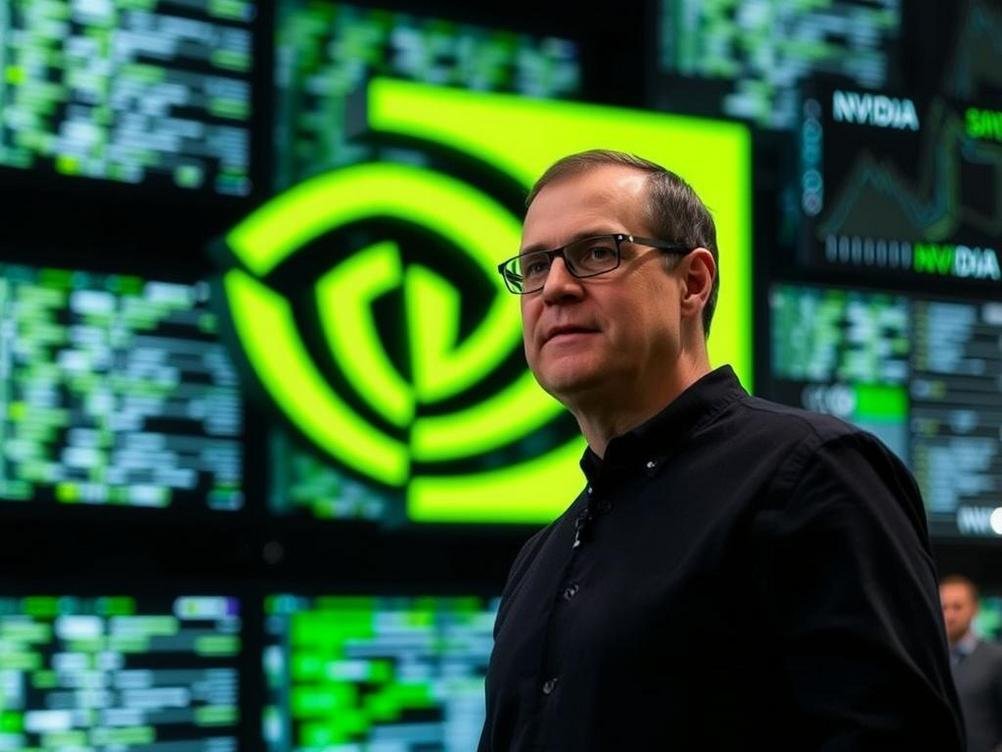
Why Nvidia’s CEO Thinks AI Should Handle Every Single Task (And Why It Might Just Work)
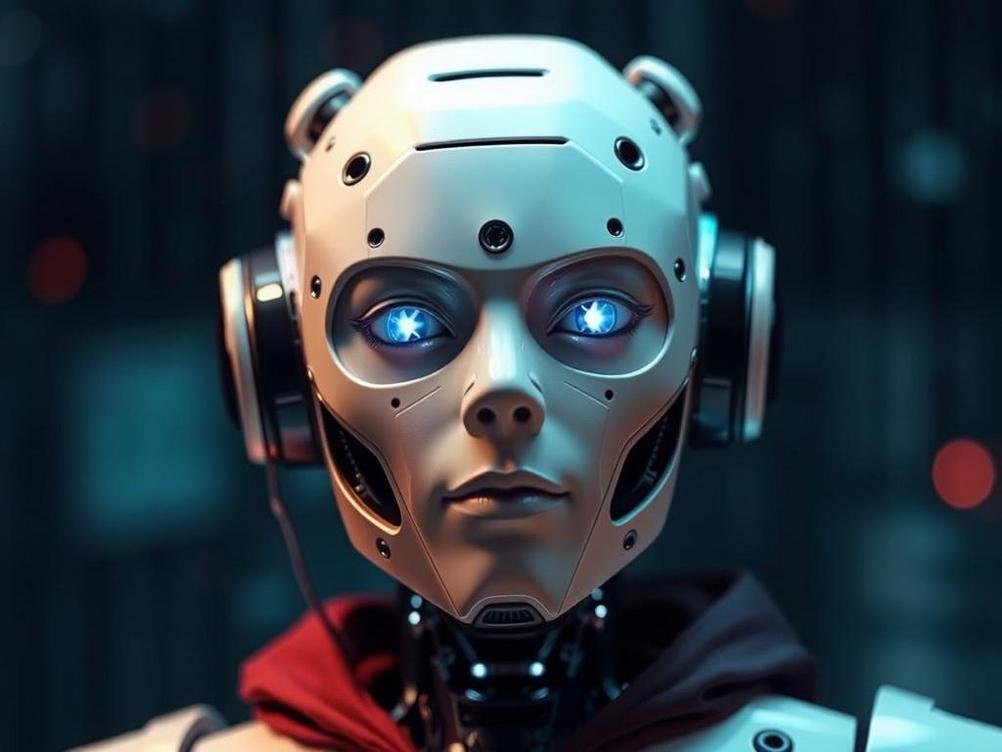
Okay, picture this: You’re sitting at your desk, buried under a mountain of mundane tasks like sorting emails or crunching numbers, and suddenly, poof! An AI robot takes over, letting you kick back with a coffee. That’s basically what Nvidia’s CEO, Jensen Huang, is pushing for—automating every task under the sun with AI. It’s a bold idea, right? I mean, who wouldn’t want a world where AI handles the boring stuff so we can focus on the fun parts of life, like binge-watching shows or finally learning that guitar solo you’ve been putting off? But here’s the thing: Huang isn’t just daydreaming; he’s got some serious reasons behind this vision, rooted in how AI is reshaping industries, boosting efficiency, and even sparking ethical debates. As someone who’s followed AI trends for years, I find this fascinating because it raises questions like, are we ready for a future where machines do it all? In this article, we’ll dive into why Huang wants AI everywhere, the potential upsides, the hiccups, and what it means for everyday folks like you and me. Stick around, and you might just see why this could be the next big leap in tech—or maybe a plot twist in a sci-fi movie.
Now, don’t get me wrong, automating everything sounds a bit like something out of a blockbuster where robots take over, but Huang’s take is more about empowerment than domination. He’s been vocal about AI’s role in everything from healthcare to creative work, arguing that it could free up human brains for more innovative pursuits. Think about it: If AI can handle repetitive jobs, we might end up with more time for family, hobbies, or even solving real-world problems. But it’s not all roses; there are jobs at risk, privacy concerns, and the whole question of whether AI can truly replicate human intuition. Drawing from recent chats in the AI community, it’s clear this push from Nvidia—a company that’s practically synonymous with GPU tech—could accelerate things faster than we expected. So, let’s break it down step by step, because understanding Huang’s vision isn’t just tech geek stuff; it’s about how it could change the way we live and work in 2025 and beyond.
The Vision Behind Nvidia’s CEO and AI Automation
You know, Jensen Huang isn’t your average CEO; he’s like the wizard of AI hardware, pushing boundaries with Nvidia’s chips that power everything from video games to supercomputers. His dream of automating every task stems from a simple idea: Why waste human talent on stuff machines can do better? Imagine a factory worker who spends hours monitoring assembly lines—with AI, that could be automated, letting people focus on designing better products. Huang shared this in a recent interview, emphasizing how AI could scale human capabilities exponentially. It’s not just about efficiency; it’s about evolution, turning us from task-doers into idea-generators.
But let’s add a dash of humor here—if AI takes over folding laundry, does that mean I’ll finally have an excuse for my messy closet? In all seriousness, Huang’s vision is backed by Nvidia’s investments in AI research, like their work on neural networks that learn from data. This isn’t pie in the sky; it’s happening now, with companies using Nvidia tech to automate everything from data analysis to customer service. If you’re into tech news, check out Nvidia’s official site for more on their AI initiatives—it’s eye-opening.
One thing that makes this relatable is how it echoes historical shifts, like the industrial revolution. Back then, machines automated manual labor, and now AI is doing the same for cognitive tasks. It’s a natural progression, but it raises the question: Are we prepared for the societal shifts?
What Does ‘Every Task’ Really Mean in AI Terms?
Alright, let’s unpack this phrase ‘every task.’ Huang isn’t talking about AI making your coffee (though that’d be cool), but more about applying AI to routine, decision-making, and even creative processes. For instance, in software development, AI tools like GitHub Copilot can write code snippets, freeing developers to tackle complex problems. It’s like having a super-smart intern who never sleeps. But ‘every task’ implies a broader scope—from driving cars to diagnosing diseases—which Huang believes is achievable with advancements in machine learning.
Of course, not all tasks are created equal. Simple ones, like data entry, are already being automated, but what about nuanced stuff? Say, a teacher grading essays—AI could analyze them, but can it capture the subtleties of human emotion? Probably not yet, which is why Huang stresses the need for hybrid systems. According to a 2025 report from Statista, AI automation is expected to affect 47% of jobs worldwide, highlighting both opportunities and risks. It’s a wake-up call: If we’re not careful, we might automate ourselves out of meaningful work.
- Basic tasks: Email sorting, scheduling, or inventory management.
- Advanced tasks: Medical diagnostics or financial forecasting.
- Creative tasks: Generating art or music, though with a human twist.
The Major Benefits of Going All-In on AI Automation
Why would anyone want to automate everything? Well, for starters, it boosts productivity like nothing else. Huang points out that AI can process data faster than humans, leading to innovations in fields like manufacturing. Take Tesla’s factories, for example; they’re using AI to optimize production lines, cutting down errors and speeding up output. It’s not just about saving time—it’s about scaling businesses without hiring an army of employees.
Then there’s the economic angle. Automating tasks could lower costs, making products cheaper and more accessible. Imagine affordable AI-driven healthcare tools that catch diseases early—that’s a game-changer. Plus, it frees people for more fulfilling jobs. I mean, who wants to spend their life data entry when they could be creating the next big app? But let’s not forget the humor: If AI handles my taxes, maybe I’ll finally understand what all those deductions mean!
- Increased efficiency: AI works 24/7 without breaks.
- Cost savings: Reduces the need for human labor in repetitive roles.
- Innovation boost: Allows humans to focus on creative and strategic thinking.
The Potential Downsides and Risks We Can’t Ignore
Hold on, before we get too excited, let’s talk about the flip side. Automating every task sounds great until you realize it could lead to massive job losses. Huang himself acknowledges this in interviews, noting that while AI creates new opportunities, it might displace workers in sectors like retail or transportation. It’s like that old saying: Don’t put all your eggs in one basket—we need safeguards.
Another issue is bias in AI systems. If we’re not careful, automated decisions could perpetuate inequalities, such as in hiring algorithms that favor certain demographics. A study from the MIT Technology Review in 2025 showed that unchecked AI could widen the skills gap. And don’t even get me started on security—what if hackers take control of automated systems? It’s a real concern, making Huang’s vision a double-edged sword.
- Job displacement: Millions could be affected, requiring retraining programs.
- Ethical dilemmas: Ensuring AI decisions are fair and transparent.
- Cybersecurity threats: Automated systems are prime targets for attacks.
Real-World Examples of AI Automation in Action
Let’s make this concrete with some examples. Nvidia’s tech is already powering AI in self-driving cars, like those from Waymo, where algorithms handle navigation and obstacle detection. It’s mind-blowing how far we’ve come—from basic autopilots to vehicles that almost drive themselves. Huang sees this as just the tip of the iceberg, with AI soon automating tasks in agriculture, like drones monitoring crops.
In healthcare, AI tools from companies like Google Health are diagnosing X-rays faster than doctors, potentially saving lives. It’s not replacing humans; it’s assisting them. For a deeper dive, check out Waymo’s site to see how AI is revolutionizing transportation. These examples show that Huang’s ideas aren’t abstract—they’re already reshaping industries.
And on a personal level, apps like Grammarly use AI to edit writing, which I’ve used myself to catch my typos. It’s helpful, but it makes you wonder: Will we lose our touch for manual skills?
How This AI Push Will Affect You and Me
So, what does this mean for the average person? If Huang gets his way, your daily routine could involve less grunt work and more meaningful choices. For freelancers, AI could handle admin tasks, giving you time for creative projects. But it’s not all smooth sailing—you might need to upskill to stay relevant, like learning AI basics through online courses.
From a societal view, this could lead to shorter workweeks or universal basic income debates. I remember reading about trials in places like Finland, where AI-driven automation is testing new economic models. It’s exciting, yet intimidating. Rhetorical question: Are we ready to let machines take the wheel?
- Personal benefits: More free time for hobbies and family.
- Challenges: Need for continuous learning and adaptation.
- Broader impacts: Changes in education and workforce policies.
The Future of AI According to Nvidia
Looking ahead, Huang envisions a world where AI is seamlessly integrated into every aspect of life. By 2030, we might see AI automating not just tasks but entire systems, like smart cities managing traffic and energy. Nvidia’s ongoing projects, such as their AI supercomputers, are paving the way. It’s like building the foundation for a new era, but with a healthy dose of caution.
Of course, this future isn’t set in stone. It depends on collaboration between tech giants, governments, and everyday users. If you’re curious, resources like Nvidia’s blog offer insights into their roadmap. All in all, it’s a thrilling time to be alive in the AI world.
Conclusion
Wrapping this up, Jensen Huang’s push for automating every task with AI is a compelling vision that promises efficiency, innovation, and more free time, but it comes with its share of risks like job losses and ethical concerns. We’ve explored the why, the how, and the potential impacts, and it’s clear that AI isn’t just a tool—it’s a transformative force. As we move forward, let’s embrace this tech thoughtfully, ensuring it enhances our lives rather than overshadowing them. Who knows? Maybe in a few years, we’ll all be toasting to AI for handling the chores while we chase our passions. What do you think—ready for that future?
Remember, the key is balance: Use AI to empower, not replace, human ingenuity. Stay curious, keep learning, and let’s make sure this AI revolution works for everyone.