dailytech.ai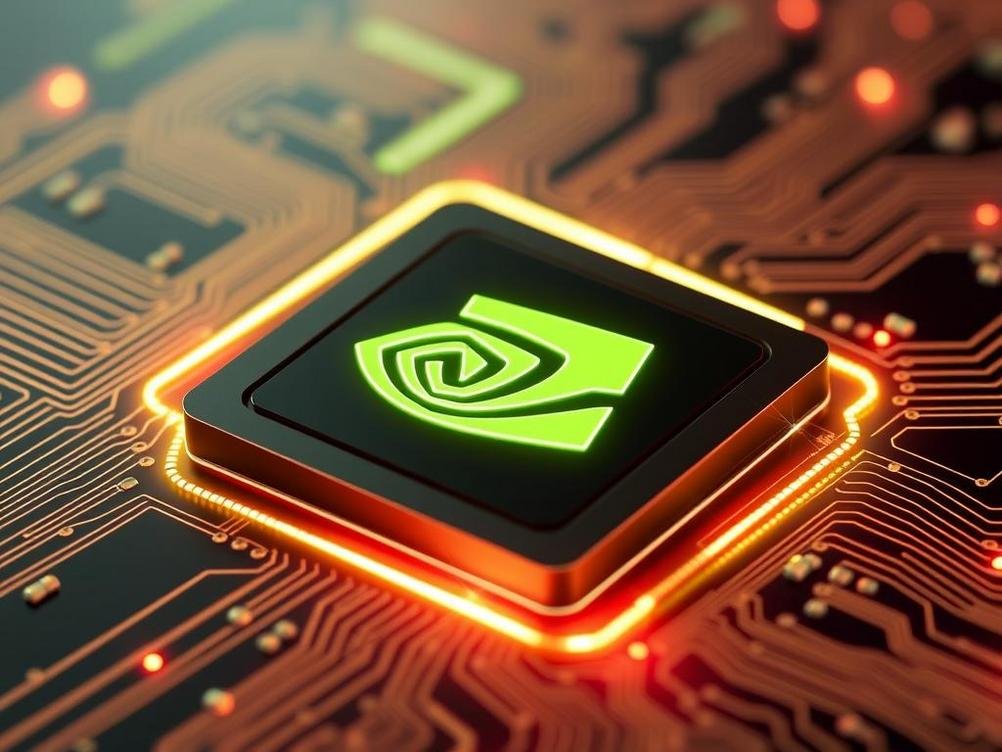
Is China Ready for Nvidia’s H200 AI Chip? The High-Stakes Tech Tango
Picture this: You’re at a high-stakes poker game, and the pot is a game-changing AI chip that could supercharge everything from self-driving cars to AI-powered chatbots. Now, imagine the dealer is Nvidia, holding the H200 chip, and the player across the table is China, eyeing it suspiciously while the US government hovers in the background with a rulebook full of restrictions. That’s basically the drama unfolding in the world of tech right now. With Nvidia getting the green light (or at least a loophole) to sell its more advanced H200 AI chip to China, everyone’s asking: Will Beijing actually go for it? It’s not just about the tech; it’s about geopolitics, business risks, and whether China’s pride will outweigh the potential perks. I mean, who wouldn’t want a chip that’s basically the Ferrari of AI hardware? But let’s dive deeper into this mess – because it’s way more than just silicon and circuits. We’re talking about supply chains, innovation races, and the kind of international drama that could fill a Netflix series. By the end of this, you’ll get why this isn’t just Nvidia’s move, but a pivotal moment for the global AI landscape. Stick around, and I’ll break it all down with some real talk, a dash of humor, and a few eye-opening insights.
What Even Is the H200 AI Chip and Why Should We Care?
Okay, first things first, let’s not bury the lede – the H200 is Nvidia’s latest brainchild, a souped-up version of their A100 and H100 chips that’s all about cranking AI processing speeds to warp factor five. Think of it as the ultimate upgrade for anyone knee-deep in machine learning, from training massive language models to running complex simulations. It’s got more memory, faster data transfer, and all the bells and whistles that make it a must-have for cutting-edge tech. But why the fuss? Well, in a world where AI is basically the new gold rush, having access to hardware like this could give China a serious edge in developing their own AI superpowers. Remember, we’re talking about a country that’s pouring billions into tech innovation to challenge the US dominance. It’s like giving a chess grandmaster an extra queen – game-changing, right?
Now, don’t get me wrong, Nvidia isn’t just handing out these chips like candy. The H200 is designed to be a step up from what’s been restricted, thanks to US export controls that kicked in a couple of years ago. These rules were meant to stop advanced tech from falling into the wrong hands, especially amid rising tensions over things like Taiwan and trade wars. But here’s the twist: The H200 might squeak through because it’s not quite as ‘militarily sensitive’ as its predecessors. Still, it’s got me wondering – if you’re China, do you trust this deal? It’s like buying a fancy sports car from a neighbor who’s always peeking over the fence. In real terms, this chip could turbocharge China’s AI research, potentially speeding up projects in healthcare, autonomous vehicles, and even entertainment. For instance, companies like Baidu or Alibaba could use it to refine their AI models, cutting development time from months to weeks.
- Key specs: The H200 boasts up to 141 GB of HBM3e memory, making it perfect for handling gigantic datasets that power things like generative AI.
- Real-world impact: Imagine hospitals in China using it for faster drug discovery, or e-commerce giants optimizing recommendations – it’s not just techie stuff; it’s everyday life boosters.
- Comparison: Compared to the H100, it’s like going from a reliable sedan to a high-performance EV – more efficient and way more fun to drive.
The US-China Tech Tug-of-War: Restrictions, Loopholes, and Drama
You know how family reunions can get awkward when old grudges surface? That’s pretty much US-China relations these days, especially with tech. The Biden administration slapped export controls on advanced AI chips back in 2022 to prevent China from militarizing them, and Nvidia had to play ball by tweaking their products. Enter the H200 – it’s advanced, sure, but apparently not advanced enough to trigger a full ban. So, Nvidia can ship them over, but with strings attached. This loophole is like finding a backdoor in a video game; it lets Nvidia keep sales flowing while navigating the geopolitical minefield. But here’s the humor in it: The US is basically saying, “We’ll let you have the chips, but don’t you dare use them for world domination.” As if that’s enforceable from across the Pacific.
From China’s side, they’re not exactly thrilled. Beijing has been pushing for tech self-sufficiency, investing heavily in domestic chips like those from SMIC. So, while the H200 might be tempting, accepting it could look like admitting defeat. Think about it – if you’re a proud nation that’s been hit with sanctions, do you really want to line Nvidia’s pockets? Probably not. According to recent reports from sources like Reuters, China’s import of AI chips dropped significantly last year, but demand is still there. This situation highlights the broader tech war, where every deal is a strategic play. For example, if China says yes, it could boost their AI capabilities overnight, but at what cost to their long-term independence?
- Major restrictions: The US Bureau of Industry and Security lists specific chips that need licenses, and the H200 might slip through due to its architecture.
- Loopholes in action: Companies are finding ways around this, like exporting through third countries, but that’s a whole other can of worms.
- Stats to chew on: A report from the Semiconductor Industry Association notes that China accounted for about 30% of global semiconductor sales in 2024, making this a massive market Nvidia doesn’t want to lose.
Will Beijing Want These Chips? Weighing the Pros and Cons
Alright, let’s get to the heart of it: Will China actually buy what Nvidia’s selling? On one hand, the H200 could supercharge their AI projects, helping them catch up in areas like natural language processing or computer vision. But on the other, there’s that nagging pride factor. Beijing might see this as a trap, a way for the US to keep tabs or maintain leverage. It’s like offering someone a free lunch when you know they can cook their own meal – suspicious, right? Plus, with China’s own chip makers ramping up, they might just say, “Thanks, but no thanks,” to avoid dependency.
Then there’s the economic angle. China’s economy has been wobbling with growth slowing to around 4-5% in recent quarters, so cost-saving measures matter. The H200 isn’t cheap, but if it means faster innovation, it could be worth it. For instance, Tencent could use it to enhance their gaming AI, making virtual worlds even more immersive. However, if tensions escalate – and let’s face it, they often do – China might opt for alternatives. A study from the Center for Strategic and International Studies suggests that without US tech, China’s AI progress could lag by 5-10 years, so the temptation is real.
The Ripple Effects: How This Plays Out Globally
This isn’t just a bilateral spat; it’s got worldwide implications. If China snaps up the H200, it could spark a mini-AI boom, influencing everything from stock markets to international alliances. Europe and Asia are watching closely, wondering if they’ll face similar restrictions. It’s like a domino effect – one wrong move, and the whole global supply chain could tumble. Nvidia’s stock might soar if sales go through, but if China backs out, it could hurt investors big time.
From an environmental standpoint, more efficient chips mean less energy waste in data centers, which is a win for the planet. But if this leads to an arms race in AI weaponry, well, that’s a scary thought. Countries like India or the EU might step in with their own regulations., creating a patchwork of rules that businesses have to navigate. It’s messy, but hey, that’s the tech world for you.
- Global markets: Nvidia’s shares jumped 10% on news of potential sales, per data from Yahoo Finance.
- Innovation boost: This could accelerate AI in fields like climate modeling, where faster processing helps predict disasters.
Risks and Rewards for Nvidia in This Game
Nvidia’s playing a risky hand here. The rewards are obvious: China is a huge market, and selling the H200 could pad their profits nicely. But what if Beijing decides to play hardball? They could impose their own bans or favor local competitors, leaving Nvidia out in the cold. It’s like dating someone who’s still hung up on their ex – exciting at first, but full of potential heartbreak.
Still, Nvidia’s got savvy leaders who know how to pivot. They’ve already diversified into areas like autonomous driving and healthcare AI. If this deal flops, they might double down on partnerships elsewhere. According to their latest earnings report from Nvidia’s investor site, AI chip sales are up 200% year-over-year, so they’re not hurting yet.
Looking Ahead: What’s Next in the AI Chip Saga?
As we peer into the crystal ball, it’s clear this story isn’t over. Regulatory changes could pop up anytime, with the US possibly tightening the screws or China accelerating their domestic tech. It’s an ongoing saga that keeps everyone on their toes. Will we see more collaborations or more walls going up? Only time will tell, but one thing’s for sure – AI isn’t slowing down.
In the meantime, companies are hedging their bets by investing in open-source alternatives or international teams. For example, projects like Hugging Face are democratizing AI, reducing reliance on big hardware players.
Conclusion
Wrapping this up, the question of whether China will embrace Nvidia’s H200 AI chip boils down to a mix of opportunity and caution. It’s a fascinating glimpse into how tech, politics, and economics collide in our hyper-connected world. While the H200 could propel China’s AI ambitions forward, the risks of dependency and escalating tensions might just tip the scales the other way. Ultimately, this is a reminder that innovation doesn’t happen in a vacuum – it’s shaped by human decisions, global dynamics, and a bit of luck. So, keep an eye on this space; it could redefine the future of AI and inspire us all to think bigger about technology’s role in society. Who knows, maybe it’ll even lead to some unexpected breakthroughs that benefit us all.