dailytech.ai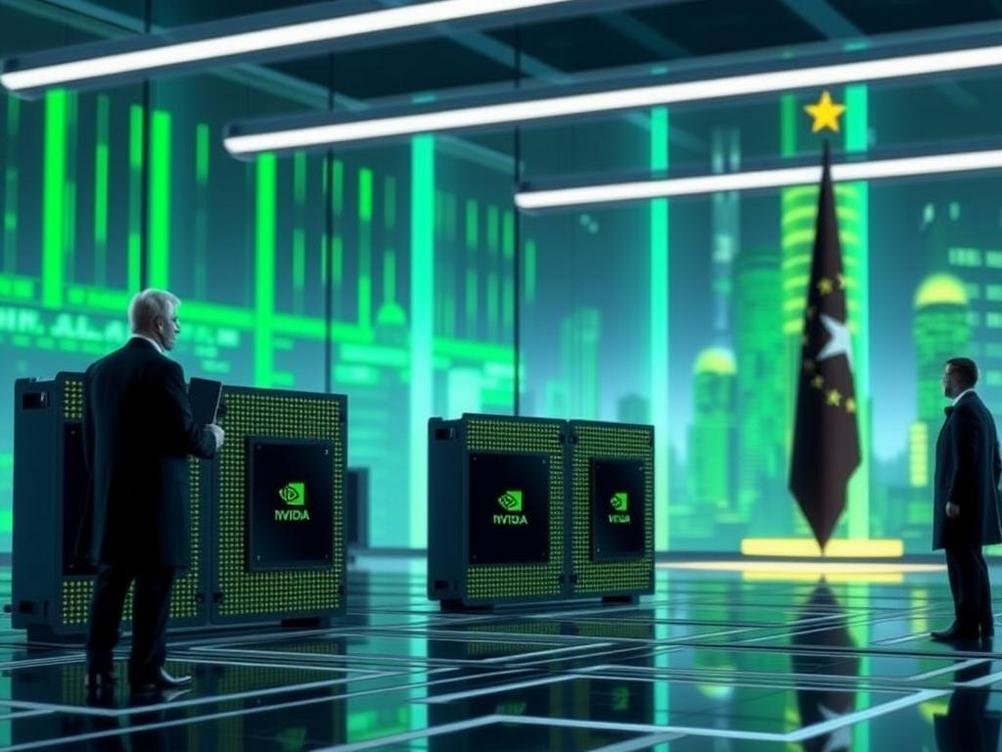
Nvidia’s H200 AI Chips Get Trump’s Nod for China – What This Means for the Future of Tech
Okay, picture this: You’re scrolling through your feed one day, and you see a headline that sounds straight out of a spy thriller – Nvidia, the big kahuna of AI hardware, just got the thumbs-up from former President Trump to sell their super-powered H200 AI chips in China. It’s like watching a plot twist in a global tech drama unfold right before your eyes. For years, we’ve been tangled in this web of US-China trade wars, where tech companies are caught in the crossfire, and suddenly, Nvidia dodges a bullet. But hey, is this a win for innovation, or just another chapter in the ongoing saga of geopolitics messing with our gadgets? As someone who’s geeked out on AI for ages, I can’t help but wonder: How does this shake things up for the rest of us? Think about it – these chips aren’t just fancy pieces of silicon; they’re the engines powering everything from self-driving cars to those AI chatbots that keep getting smarter. And now, with China’s massive market opening up, we’re talking potential breakthroughs that could make our daily lives a whole lot cooler (or scarier, depending on your take).
If you’re into tech news, you know the stakes are high. Nvidia’s H200 chips are basically the Ferraris of AI processing, packed with more power and efficiency than their predecessors. This approval comes at a time when the world is racing to dominate AI, and China’s been hungry for cutting-edge tech to fuel their own ambitions. It’s not just about business; it’s about who controls the future. Will this lead to more competition, dropping prices on AI tools, or escalate tensions? I’ve got to say, it’s exciting and a bit nerve-wracking all at once. In this article, we’ll dive into the nitty-gritty of what these chips are, why this approval matters, and how it might ripple out to affect everything from your next smartphone to global innovation. Stick around, because we’re unpacking it all in a way that’s as fun as it is informative – no dry corporate speak here, I promise.
What Exactly Are Nvidia’s H200 AI Chips?
You know, when I first heard about Nvidia’s H200 chips, I thought, ‘Man, this is like upgrading from a beat-up old bike to a sleek electric motorcycle.’ These aren’t your run-of-the-mill processors; they’re high-performance GPUs designed specifically for AI workloads, handling massive amounts of data with speed and efficiency that makes older models look prehistoric. Built on Nvidia’s Hopper architecture, the H200 packs in more memory and better energy efficiency, which means faster training for AI models and smoother real-time applications. It’s the kind of tech that powers things like ChatGPT on steroids or those ultra-realistic video games that make you forget you’re not actually in the matrix.
What makes these chips stand out is their ability to process complex tasks without guzzling power like a thirsty camel. For instance, in the world of machine learning, they can handle larger datasets in half the time of previous generations. And let’s not forget, Nvidia isn’t just selling hardware; they’re offering a whole ecosystem with tools like CUDA, which developers love for building AI apps. If you’re a tech hobbyist or a pro, imagine cranking out AI projects that were once reserved for big corporations. That’s the appeal – it’s democratizing advanced tech in a way. But here’s a fun fact: According to recent reports, these chips could boost AI inference speeds by up to 50%, which is huge for industries like healthcare or finance.
- Key features include enhanced tensor cores for AI acceleration.
- They support more VRAM, making them ideal for large language models.
- Plus, they’re backward compatible, so you don’t have to scrap your old setups.
The Backstory: US-China Tech Tensions and Nvidia’s Hurdles
Alright, let’s rewind a bit – the US and China have been butting heads over tech for what feels like forever, and it’s like a bad breakup that just won’t end. Remember when Trump was in office? He slapped tariffs and export restrictions on all sorts of tech, including advanced chips, because of fears that China might use them for military purposes or to overtake US innovation. Nvidia, being a major player, got caught in the mix when their A100 and H100 chips were restricted. So, for the H200 to get approval now? That’s a plot twist. It’s probably tied to ongoing negotiations, where the US sees potential economic benefits or ways to keep an eye on things.
From what I’ve read, this isn’t a full green light; it’s more like a conditional pass, with restrictions to prevent misuse. Think of it as lending your car to a friend but tracking where they go. China’s been pushing hard to develop its own AI capabilities, pouring billions into companies like Huawei, but they still rely on foreign tech for the good stuff. This approval could ease some shortages, but it’s also stirred up debate. Critics worry it might give China an edge, while optimists see it as a step toward global cooperation. Either way, it’s a reminder that tech isn’t just about gadgets – it’s woven into international politics, and that’s as messy as untangling Christmas lights.
- Export controls have been in place since 2018, affecting billions in trade.
- Nvidia had to navigate bureaucracy, which delayed launches and frustrated developers.
- Fun analogy: It’s like trying to share recipes in a kitchen where everyone’s guarding their secret ingredients.
How This Approval Shakes Up the AI Landscape
So, Trump’s approval for Nvidia to sell H200 chips in China is like throwing a curveball into the AI game – suddenly, China’s tech scene gets a major boost. Companies there can now access top-tier hardware, speeding up their AI research and development. We’re talking faster progress in areas like autonomous vehicles or personalized medicine. For Nvidia, this means more revenue streams and a chance to expand their global footprint, which is music to investors’ ears. But let’s not kid ourselves; this could lead to a domino effect, where other countries push for similar deals, heating up the competition even more.
On the flip side, it might encourage more partnerships between US and Chinese firms, fostering innovation that benefits everyone. Imagine AI models trained on diverse datasets from both sides of the Pacific – that could lead to breakthroughs we haven’t even dreamed of yet. Still, there’s a catch: With great power comes great responsibility, or in this case, potential for misuse. If these chips end up in the wrong hands, it could escalate cyber threats. All in all, it’s a classic ‘opportunity meets risk’ scenario, and it’s fascinating to watch unfold.
- Increased access could cut AI development costs by 20-30% for Chinese firms.
- This might accelerate global AI adoption, with China projected to invest $20 billion in AI by 2027.
- It’s a wake-up call for competitors like AMD to step up their game.
Implications for AI Innovation Worldwide
Here’s where it gets really interesting – this move could supercharge AI innovation on a global scale. With China gaining access to Nvidia’s tech, we’re likely to see a surge in collaborative projects, like joint ventures in AI for climate modeling or disaster prediction. It’s not just about selling chips; it’s about sparking a creativity boom. Think of it as watering a garden that’s been dry – suddenly, ideas are sprouting everywhere. For developers and researchers, this means more tools at their disposal, potentially leading to advancements that make our lives easier, like smarter assistants or even better personalized recommendations on Netflix.
But, as always, there’s a humorous side: Will this mean Chinese AI starts beating us at chess or creating viral memes faster? Probably. On a serious note, though, statistics show that AI could add $15.7 trillion to the global economy by 2030, and deals like this could help distribute that growth more evenly. It’s a reminder that innovation thrives when barriers come down, even if just a little.
- Examples include AI in agriculture, where Chinese farmers could use these chips for precision farming.
- Real-world insight: Nvidia’s tech is already powering NASA’s simulations, so imagine that scaled up globally.
- Metaphor alert: It’s like giving everyone the same high-octane fuel for their innovation engines.
Potential Risks and What Could Go Wrong
Look, I’m all for progress, but let’s not put on rose-colored glasses – there are risks with this approval that could turn things sour. For starters, if these chips fall into military applications, it might fuel an arms race in AI, which is as scary as it sounds. We’ve seen reports of China using AI for surveillance, and beefing up their tech could make that even more sophisticated. Then there’s the economic side: US companies might face backlash if this is seen as weakening national security, potentially leading to more regulations down the line.
Plus, what about intellectual property? Nvidia’s pouring millions into R&D, and there’s always the worry that their tech gets reverse-engineered. It’s like lending your secret family recipe and hoping no one steals it. Humorously, maybe we’ll see a flood of knockoff chips that don’t quite work as well. In reality, though, this could strain international relations further if tensions flare up again. The key is balance – ensuring that innovation doesn’t come at the cost of safety.
- Security experts warn of potential cyber espionage risks.
- Historical examples, like the Huawei ban, show how quickly things can escalate.
- Statistics indicate that AI-related cyber threats have risen by 125% in the last two years.
What’s in It for the Average Tech Enthusiast?
If you’re like me, just a regular person who loves tinkering with AI projects, this news is pretty exciting. With Nvidia’s chips more widely available, we might see cheaper AI hardware trickle down to consumers. Imagine building your own AI setup at home without breaking the bank, or apps that run smoother on your phone thanks to optimized tech. It’s like the tech world’s version of affordable luxury – suddenly, cutting-edge stuff isn’t just for the big guys.
And let’s talk about the fun part: This could lead to better products in everyday life. From smarter home assistants to more accurate health apps, the ripple effects could make tech more accessible and useful. I’ve already got ideas for my next project – maybe an AI that helps me remember where I left my keys. But keep in mind, it’s not all sunshine; we have to stay vigilant about privacy and ethics as AI grows.
- Potential for lower prices on AI-enabled devices.
- More open-source tools inspired by global collaboration.
- Real-world example: Gamers could enjoy enhanced graphics in games developed with these chips.
Conclusion
Wrapping this up, Nvidia’s win with Trump’s approval for H200 AI chips in China is a big deal that could reshape the tech landscape in ways we haven’t fully grasped yet. It’s a mix of opportunity, excitement, and a few red flags, showing how interconnected our world really is. From boosting innovation to sparking new collaborations, this move has the potential to accelerate AI’s role in solving global challenges, like climate change or healthcare access.
But as we move forward, let’s remember to keep things in check – innovation should benefit everyone without fueling conflicts. If you’re into AI, this is a moment to get inspired and maybe even dive into your own projects. Who knows? The next big breakthrough could come from you. Here’s to a future where tech brings us together, not tears us apart.