dailytech.ai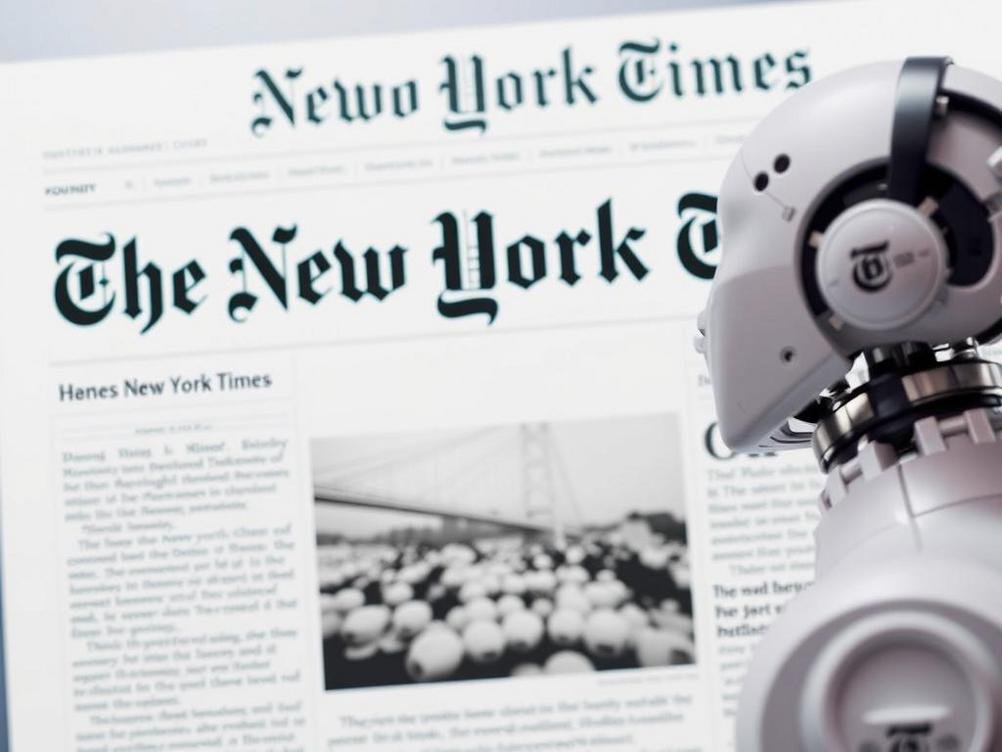
Why the New York Times Is Suing AI Startup Perplexity – And What It Means for Us All
Imagine waking up one day to find that your life’s work – your words, your ideas, your late-night rants turned into polished articles – has been scooped up by some high-tech AI without so much as a “by your leave.” That’s basically what’s happening with the New York Times and this upstart AI company called Perplexity. It’s like if your neighbor borrowed your favorite lawnmower and then started renting it out for profit without telling you. Sounds messy, right? Well, that’s exactly the drama unfolding in the world of AI and copyright, and it’s got everyone from writers to tech bros buzzing. This lawsuit isn’t just about one newspaper throwing punches; it’s a wake-up call for how we’re all navigating this wild frontier where machines are gobbling up content faster than you can say “algorithm.”
Picture this: Perplexity, this AI-powered search engine that’s all the rage for spitting out answers in a flash, got slapped with a lawsuit from the New York Times for allegedly using their copyrighted articles without permission. We’re talking thousands of stories from the likes of the Times’ archives, which cover everything from presidential elections to celebrity scandals. It’s not hard to see why the Times is fuming – they’ve built their brand on hard-hitting journalism, and now they claim Perplexity is just repurposing their stuff to train its AI models or serve up summaries without giving credit where it’s due. As someone who’s spent way too many hours crafting blog posts, I get it; it’s like watching someone photocopy your homework and sell it as their own. But here’s the twist: this isn’t isolated. We’ve seen similar dust-ups, like when authors sued OpenAI for using their books without a nod, and it raises big questions about who’s really in control when AI starts playing fast and loose with intellectual property. Is this the start of a copyright apocalypse, or just a necessary reality check for the tech world? Let’s dive in, because if you’re into AI, content creation, or just staying ahead of the curve, this could affect you more than you think.
This whole fiasco is a reminder that in 2025, AI isn’t some futuristic sci-fi anymore – it’s here, and it’s hungry for data. According to a report from the Copyright Alliance, lawsuits like this one have surged by over 60% in the past two years as creators fight back against unauthorized use. So, buckle up as we break down what went down, why it matters, and what the heck we can learn from it. And hey, I’ll throw in some laughs along the way because, let’s face it, watching tech giants squabble is better than most reality TV.
What Exactly Went Down with the Lawsuit?
You know how family feuds make for juicy dinner table talk? Well, this is like that, but on a global stage. The New York Times filed a lawsuit against Perplexity in late 2025, accusing them of straight-up copyright infringement. Basically, the Times says Perplexity’s AI was scraping their articles – think Pulitzer-winning pieces on climate change or in-depth COVID-19 coverage – and using them to generate responses without permission or payment. It’s not like Perplexity was linking back or giving proper attribution; they were just mashing it all into their algorithms. The Times is demanding damages, possibly in the millions, and wants Perplexity to stop using their content pronto.
From what I’ve read on sites like The Verge, Perplexity isn’t the first AI outfit to face this heat. Remember when Getty Images sued Stability AI for using their photos to train image generators? Same vibe here. Perplexity argues that they’re just providing summaries based on publicly available info, like any search engine would. But the Times isn’t buying it, claiming this goes beyond fair use because it’s directly profiting from their intellectual property. If you’re a blogger like me, this might make you think twice about what you’re putting online – could your next viral post end up fueling some AI without you knowing?
To put it in perspective, let’s say you’re a chef and someone steals your secret recipe to sell their own meals. That’s essentially what the Times is alleging. And with AI tools becoming as common as coffee makers, it’s no wonder tensions are boiling over. Perplexity might respond by saying they’re innovating for the greater good, but at what cost to the original creators?
Why This Lawsuit Matters for the AI Industry
Okay, so why should you care if you’re not running a newspaper or an AI startup? Well, this isn’t just about one company; it’s about the whole ecosystem. AI like Perplexity relies on massive datasets to learn and improve, and a lot of that data comes from the web – including news sites, blogs, and even your social media posts. If the Times wins, it could set a precedent that forces AI companies to pay up or get permission first. That might slow down innovation, but hey, is that such a bad thing if it means protecting creators?
Think of it this way: AI is like a kid with a library card, devouring books left and right, but what if the librarians start charging for every page read? According to a study by the MIT Technology Review, over 70% of AI training data is pulled from copyrighted sources without explicit agreements. That’s a recipe for more lawsuits, and Perplexity is just the latest casualty. For folks in the AI tools space, this could mean higher costs and more red tape, which might trickle down to users like you and me paying more for services.
- First off, it highlights the need for better data licensing – maybe AI companies could partner with content creators instead of sneaking around.
- Secondly, it pushes for transparency; wouldn’t it be great if AIs had to disclose where their info comes from?
- And third, it could spark new regulations, like the EU’s AI Act, which already has rules about using personal data.
The Bigger Picture: Copyright in the Age of AI
Let’s zoom out a bit. Copyright laws were written way before anyone dreamed of chatbots and generative AI, so they’re kinda like trying to fit a square peg into a round hole. The Times’ suit is forcing us to rethink how these old rules apply to modern tech. For instance, is it fair use if an AI summarizes an article for quick answers, or is that just theft with a fancy algorithm? I mean, we’ve all used tools like Google to get instant info, but when does convenience cross into infringement?
Take a real-world example: Back in 2023, the Authors Guild sued OpenAI, and it ended up in a settlement that changed how AI handles book content. Now, with Perplexity in the spotlight, we’re seeing a pattern. If copyright holders keep winning, AI might have to rely more on public domain stuff or synthetic data, which could limit its accuracy. On the flip side, if companies like Perplexity skate by, it might devalue original content and make it harder for writers to make a living. As a blogger, I’ve got mixed feelings – AI can be a helpful tool, but it shouldn’t undercut the folks doing the real grunt work.
And let’s not forget the humor in all this. It’s like AI is the ultimate plagiarist party crasher, showing up uninvited and eating all the snacks. But seriously, if we don’t sort this out, we could see a slowdown in AI development, which might affect everything from search engines to personalized recommendations.
Perplexity’s Defense and the AI Community’s Reaction
Perplexity isn’t taking this lying down. They’re arguing that their tech is transformative – you know, turning raw data into something new and useful, which is a key part of fair use defenses. In their filings, they’ve pointed out that they’re not reproducing articles verbatim but providing answers based on aggregated info. It’s a bit like saying, ‘We’re just remixing the hits, not stealing the album.’ But the AI community is divided; some tech enthusiasts see this as overreach by big media, while others worry about the ethics of unchecked data scraping.
For context, I’ve checked out Perplexity’s own blog (you can read more about their side at their official site), and they’re emphasizing how they’re building a better web experience. Still, critics argue that’s just spin. Reactions on forums like Reddit are hilarious – one user joked, ‘If AI has to pay for every byte, we’ll be back to using encyclopedias.’ The truth is, this could influence how other AI players, like xAI or Anthropic, approach content usage.
- One angle: AI startups might invest in ethical alternatives, like paid datasets from companies such as Common Crawl.
- Another: It could lead to more open-source models that prioritize user-generated content.
- Lastly, expect more partnerships; imagine if the Times and Perplexity teamed up instead of fighting?
What This Means for Content Creators Like You and Me
If you’re a writer, blogger, or even just someone who shares memes online, this lawsuit should have you sitting up straight. The outcome could change how we protect our work in a world where AI is everywhere. For starters, you might want to look into tools like Copyscape or Plagiarism Detector to check if your stuff is being misused. It’s a pain, I know, but better safe than sorry.
From my experience, platforms like Medium or WordPress are already adding features to block AI scrapers, and this suit might speed that up. Plus, it could push for better compensation models, where creators get a cut from AI companies. Wouldn’t that be sweet? Imagine getting royalties every time your blog post helps train an AI. On the downside, if AI gets restricted, it might limit tools we use daily, like content generators that spark ideas.
Here’s a metaphor: It’s like being a musician in the streaming era – you love the reach, but the paychecks are tiny. Content creators need to adapt, maybe by watermarking work or joining collectives that fight for rights.
Potential Outcomes and What Happens Next
So, what’s the crystal ball say? If the Times wins, we could see a wave of similar cases, forcing AI firms to overhaul their practices. On the other hand, if Perplexity prevails, it might open the floodgates for more aggressive data use. Either way, expect appeals and maybe even new laws by 2026. I’ve heard whispers that Congress might revisit copyright reforms specifically for AI – fingers crossed for something sensible.
Statistics from the World Intellectual Property Organization show that digital copyright disputes have doubled since 2020, so this isn’t going away. For Perplexity, a loss could mean hefty fines and retooling their tech, while a win might boost their stock. Either way, it’s a gamble that could reshape the industry. Let’s hope it leads to a fairer system rather than more lawsuits.
- Best case: Collaborative frameworks where AI and creators coexist.
- Worst case: Slower AI advancements and more gatekeeping.
- Most likely: A middle ground with negotiated licenses.
Conclusion
Wrapping this up, the New York Times vs. Perplexity lawsuit is more than just a legal scuffle – it’s a sign of the times in our AI-driven world. We’ve laughed at the absurdity, dug into the details, and seen how it could impact everything from your favorite news app to your own creative endeavors. At the end of the day, it’s about balance: respecting the hard work of content creators while letting innovation thrive. So, whether you’re an AI enthusiast or a wary writer, keep an eye on this one – it might just change how we all interact with technology.
As we move forward, let’s push for smarter solutions, like fair compensation and ethical AI practices. Who knows, maybe this will inspire you to protect your own content or even dive into AI yourself. Either way, stay curious, stay creative, and remember: in the battle between humans and machines, we’re all on the same team.