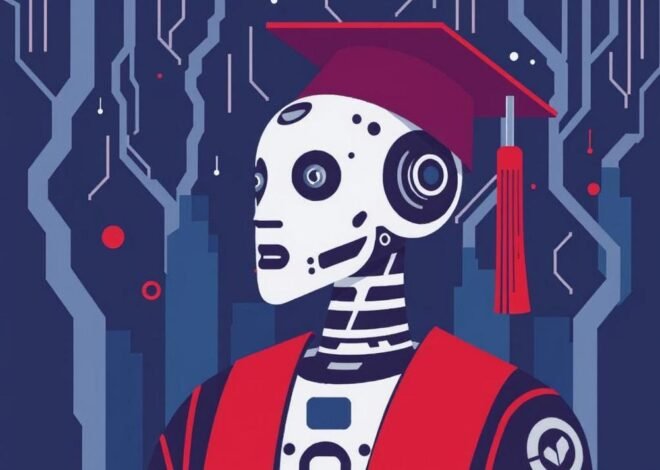
Ohio State’s Big AI Hiring Spree: Snagging 100 New Faculty Brains for the Future
Ohio State’s Big AI Hiring Spree: Snagging 100 New Faculty Brains for the Future
Picture this: you’re strolling through the massive campus of Ohio State University, dodging frisbees and coffee-laden students, and suddenly you hear whispers about a tech revolution brewing right in the heart of academia. Yeah, that’s right—Ohio State is on a mission to hire not one, not ten, but a whopping 100 new faculty members who are absolute wizards in artificial intelligence. It’s like they’re building their own Avengers team, but instead of capes, these heroes come armed with algorithms and neural networks. This isn’t just some minor update to their staff roster; it’s a bold leap into the AI era that’s set to reshape how we think about education, research, and maybe even tailgating parties (hey, who knows what AI could do for predicting the best Buckeye game outcomes?). Announced recently, this initiative is part of a larger push to make Ohio State a powerhouse in AI innovation. With the world spinning faster thanks to tech like ChatGPT and self-driving cars, universities are scrambling to keep up, and OSU is leading the charge. But why now? Well, AI isn’t just a buzzword anymore—it’s infiltrating every corner of our lives, from healthcare to entertainment, and education can’t afford to lag behind. Imagine classrooms where AI helps personalize learning or labs where machines crunch data that would take humans years to process. This hiring spree could supercharge research, attract top-tier talent, and even boost the local economy in Columbus. It’s exciting stuff, folks, and it’s got me pondering: are we on the cusp of an AI golden age in higher ed, or is this just the beginning of something even bigger? Stick around as we dive deeper into what this means for students, the university, and heck, maybe even the rest of us non-Buckeyes.
Why Ohio State is Betting Big on AI Faculty
Let’s face it, AI has gone from sci-fi fantasy to everyday reality quicker than you can say ‘Siri, set a reminder.’ Ohio State isn’t blind to this shift; they’re all in on making sure their institution isn’t left in the digital dust. By hiring 100 new faculty with AI expertise, they’re aiming to integrate this tech across disciplines—think engineering, medicine, arts, you name it. It’s not just about adding bodies; it’s about infusing fresh ideas and cutting-edge knowledge into the mix. I mean, who wouldn’t want professors who can teach you how to build a chatbot that actually understands your sarcasm?
This move comes at a time when universities worldwide are racing to claim their slice of the AI pie. According to recent stats from the National Science Foundation, AI-related research funding has skyrocketed by over 50% in the last five years. Ohio State wants to be at the forefront, attracting grants, partnerships, and top students who dream of coding the next big thing. Plus, with Ohio’s growing tech scene—hello, Intel’s massive chip factory nearby—this hiring could create synergies that turn Columbus into a mini-Silicon Valley. It’s a smart play, but it’ll be interesting to see how they balance the hype with practical implementation.
Of course, there’s a humorous side: imagine a philosophy professor debating ethics with an AI that’s programmed to win every argument. Jokes aside, this initiative underscores a serious commitment to preparing the workforce for an AI-dominated future. Students graduating from OSU might just be the ones solving real-world problems like climate change or personalized medicine, all thanks to these new hires.
The Impact on Students and Curriculum
For the Buckeye students, this hiring bonanza is like Christmas coming early. Suddenly, courses on machine learning, data ethics, and AI applications could pop up everywhere, making that degree even more valuable in the job market. I’ve talked to a few OSU alums who wish they’d had access to this level of expertise back in their day—instead of just cramming for finals, they could’ve been building AI models that predict exam questions (okay, maybe that’s wishful thinking).
Under the hood, the curriculum is bound to evolve. We’re talking interdisciplinary programs where AI meets biology for breakthroughs in genomics or teams up with business for smarter analytics. A report from Deloitte suggests that by 2025, over 75% of enterprises will be using AI, so grads need to be ready. These new faculty could mentor startups, lead hackathons, or even collaborate on projects that land in the real world. It’s not all rosy, though—there might be growing pains as traditional departments adapt to this tech influx.
Picture a freshman excited about AI but overwhelmed by choices. With more experts on board, advising and hands-on learning could skyrocket. Lists of new courses might include:
- AI in Healthcare: Diagnosing diseases faster than a caffeinated doctor.
- Ethical AI: Because we don’t want robots taking over the world… yet.
- Machine Learning for Artists: Turning doodles into digital masterpieces.
This could make OSU a magnet for ambitious minds, boosting enrollment and diversity in tech fields.
How This Fits into the Broader AI Landscape
Zooming out, Ohio State’s move is part of a global trend where academia is cozying up to AI giants like Google and Microsoft for collaborations. It’s reminiscent of how Stanford fueled Silicon Valley’s boom—could OSU do the same for the Midwest? With AI markets projected to hit $15.7 trillion by 2030 according to PwC, investing in expertise now is like planting seeds for a money tree.
But let’s not ignore the challenges. There’s the ever-present debate on AI bias, job displacement, and privacy. These new faculty will likely tackle these head-on, perhaps through research centers dedicated to responsible AI. It’s a bit like herding cats, trying to align tech progress with human values, but with 100 sharp minds, OSU might just pull it off.
In the U.S., other schools like MIT and Carnegie Mellon are already AI heavyweights, but OSU’s scale—hiring 100 at once—is ambitious. It could inspire similar moves elsewhere, creating a ripple effect. For instance, if you’re in the Midwest, this might mean more local jobs in AI, from startups to corporate R&D. It’s exciting to think about how this positions Ohio as a tech hub, away from the coastal elites.
Potential Challenges and Criticisms
No grand plan is without its hiccups, right? One big question is funding—where’s the money coming from for these salaries? Universities aren’t exactly swimming in cash, and poaching top AI talent means competing with tech salaries that make professors blush. Ohio State might lean on state grants or donations, but it’s a tightrope walk.
Then there’s the diversity angle. AI fields are notoriously lacking in women and minorities, so will these hires reflect a broader pool? Critics argue that without intentional efforts, this could just reinforce the status quo. On the flip side, if OSU prioritizes inclusive hiring, it could set a positive example. Remember the time Google faced backlash for AI ethics? Lessons like that highlight why diverse perspectives matter.
Another snag: integrating these newbies into existing faculty dynamics. Will there be turf wars over resources or research focus? It’s like adding star players to a team—great for wins, but chemistry takes time. Still, the potential upsides outweigh the risks, especially if managed with a dash of humor and open communication.
What This Means for Research and Innovation
At its core, this hiring is a booster shot for OSU’s research arm. Imagine labs buzzing with AI-driven discoveries in agriculture (Ohio’s a farming state, after all) or autonomous vehicles zipping around campus. These faculty could secure patents, publish groundbreaking papers, and collaborate with industries for real impact.
Take climate modeling, for example—AI can process vast datasets to predict weather patterns better than ever. Or in medicine, algorithms spotting rare diseases from scans. With 100 experts, the output could be exponential. A fun metaphor: it’s like upgrading from a bicycle to a rocket ship in the race for innovation.
Partnerships might flourish too. Link up with nearby companies for internships or joint ventures. Students could work on projects like AI for sustainable farming, directly benefiting local communities. It’s not just academic—it’s practical, turning theory into tools that change lives.
The Economic Ripple Effects in Ohio
Beyond campus, this could jazz up Ohio’s economy. Attracting AI talent means more brains, more startups, and more dollars flowing in. Columbus is already growing, with tech jobs up 20% in recent years per local reports. Add 100 faculty, and you’re talking multipliers—they’ll need housing, services, and maybe even start their own ventures.
Think about the talent pipeline: OSU grads staying local instead of fleeing to California. It could stem brain drain and foster a vibrant ecosystem. Humorous aside: maybe AI will finally optimize Ohio’s unpredictable weather forecasts, saving us from surprise snowstorms.
Government might get involved too, with policies supporting AI growth. It’s a win-win, positioning Ohio as a contender in the national tech scene. Of course, ensuring equitable growth is key—not just benefiting urban areas but rural ones too.
Conclusion
Whew, what a ride! Ohio State’s decision to hire 100 AI-savvy faculty is more than a headline—it’s a statement about embracing the future. From revamping curricula to sparking innovations that could touch every industry, this move has the potential to elevate the university and the state. Sure, there are hurdles like funding and integration, but with vision and a bit of Buckeye spirit, they can overcome them. If you’re a student, researcher, or just an AI enthusiast, keep an eye on OSU; they’re poised to lead the charge. Who knows, maybe this is the spark that ignites a new era of discovery. Here’s to hoping it inspires other institutions to follow suit—after all, in the world of AI, collaboration might just be our best algorithm for success.