dailytech.ai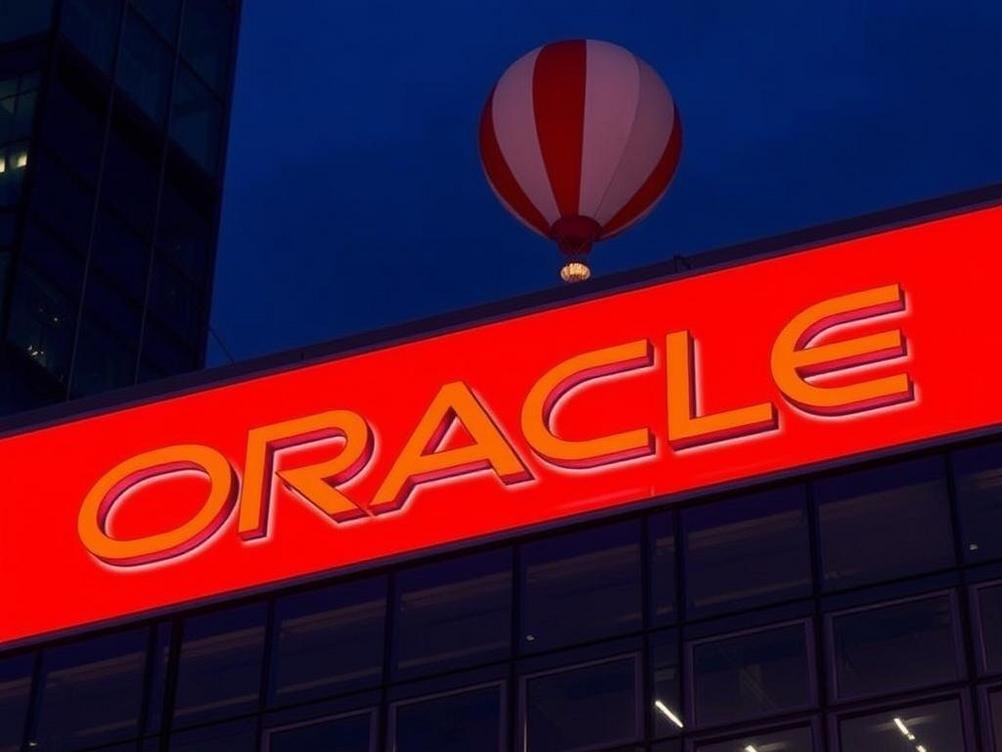
Why Oracle’s Latest Earnings Miss Is Popping the AI Hype Balloon and What It Means for Us
Imagine you’re at a party, everyone’s buzzing about this hot new trend—let’s say it’s AI, because who isn’t these days? Everyone’s high-fiving over how it’s going to change the world, from self-driving cars to AI therapists that actually listen. But then, out of nowhere, someone trips over the punch bowl, and suddenly the room goes quiet. That’s basically what happened with Oracle’s recent earnings report. They missed the mark big time, wiping out a whopping $70 billion in market value, and now folks are whispering about an AI bubble that’s ready to burst. It’s like watching a kid’s soap bubble float too high and pop—pretty, but fragile as heck.
As someone who’s followed the tech rollercoaster for years, I can’t help but chuckle at how quickly things flip. Oracle, the database giant that’s been around since the dawn of digital dinosaurs, was supposed to be riding the AI wave with their cloud services and partnerships with the likes of Nvidia. Instead, their results showed slower growth than expected, and investors bolted like they just heard the ice cream truck drive away. This isn’t just about one company’s bad quarter; it’s a wake-up call for the whole AI frenzy. Are we in a sustainable boom or just another dot-com deja vu? Stick around as I break it down—because if you’re into tech, stocks, or just avoiding financial face-plants, this story’s got lessons for all of us. We’ll chat about the nitty-gritty of what went wrong, why AI might be overinflated, and how to navigate this wild ride without losing your shirt.
What Exactly Went Down with Oracle’s Earnings?
Okay, let’s rewind a bit. Oracle dropped their earnings report, and it was like expecting a blockbuster movie but getting a straight-to-streaming flop. The company, known for its enterprise software and cloud stuff, reported revenue that fell short of what Wall Street was drooling over. We’re talking about a $70 billion hit to their market value in a single day— that’s like erasing the GDP of a small country just because some numbers didn’t add up. It all boiled down to slower-than-expected growth in their cloud segment, which is supposed to be their AI golden goose. Analysts were betting on big wins from AI-driven data centers, but apparently, the demand wasn’t as hot as they thought.
Now, don’t get me wrong, Oracle’s not going bankrupt or anything—it’s still a powerhouse. But this miss highlights how even established players can stumble in the AI arms race. Remember, we’re in 2025, and AI is everywhere, from your smart fridge to corporate boardrooms. Oracle had pinned a lot on their partnership with tech giants like Nvidia, expecting that AI workloads would skyrocket. Instead, it seems businesses are pumping the brakes, maybe waiting for more proven ROI. It’s a classic case of hype versus reality, and honestly, it’s made me think twice about my own investments. If a behemoth like Oracle can take a hit, what does that say for the startups?
To put it in perspective, let’s list out the key factors that led to this mess:
- Over-reliance on cloud revenue: Oracle bet big on AI-fueled cloud growth, but economic jitters have companies tightening their belts.
- Competition heating up: Players like AWS and Google Cloud are eating into Oracle’s lunch with cheaper, more innovative AI offerings.
- Macro-economic vibes: With inflation still lurking and interest rates unpredictable, businesses are delaying big tech spends.
Is the AI Bubble Really About to Burst?
Alright, let’s get to the juicy part—everyone’s freaking out about an AI bubble. You know, like how we all thought NFTs were the future a few years back, only for them to fizzle out faster than a bad diet trend. Oracle’s tumble has people pointing fingers at the AI sector as a whole, suggesting that we’ve built this massive hype machine without the substance to back it up. Valuations for AI companies have been sky-high, based on promises of revolutionary tech, but if Oracle’s results are any indicator, maybe we’re overestimating how quickly AI can deliver real value.
Think about it: AI stocks have been on a tear, with companies like those in the Magnificent 7 (you know, Apple, Microsoft, and the gang) seeing their shares soar on AI buzz. But bubbles form when speculation outpaces fundamentals, and Oracle’s miss is like a pinprick in that inflated balloon. I’ve read reports from sources like Bloomberg that show AI investment hit $200 billion globally last year, yet adoption is spotty. Businesses are excited, but they’re not shelling out for it yet. It’s reminiscent of the dot-com era—remember Pets.com? Tons of hype, zero profits.
Here’s a quick rundown of signs that the AI bubble might be real:
- Overhyped promises: AI is pitched as a cure-all, but it’s still struggling with things like ethical issues and data privacy.
- Investor frenzy: Money’s pouring in based on FOMO, not solid earnings, leading to corrections like Oracle’s.
- Tech limitations: Not every AI project is hitting the mark—hallucinations in chatbots and high energy costs are real buzzkills.
How This Shakes Up the Bigger Tech Landscape
This Oracle fiasco doesn’t just affect one company; it’s like a ripple in a pond that hits everyone from Silicon Valley startups to your everyday investor. Suddenly, tech stocks are wobbling, and analysts are revising their forecasts. It’s made me wonder if we’re in for a broader market correction, especially since AI has been propping up the entire economy. Other big names like Microsoft and Google, who are deep in AI, might start feeling the pinch if investors get skittish.
From a real-world angle, this could mean slower innovation. If companies pull back on AI spending, we might see delays in cool stuff like advanced healthcare AI or personalized education tools. I mean, who doesn’t want an AI that can teach my kid math without losing its patience? But if budgets tighten, that dream gets pushed back. On the flip side, it could force a reset, making AI development more focused and less about flashy demos.
- Stock market jitters: Indices like the Nasdaq dipped after Oracle’s news, showing how interconnected everything is.
- Supply chain effects: AI hardware demand might drop, hurting suppliers like chip makers.
- Consumer impact: If tech giants cut costs, prices for services could rise, affecting us regular folks.
What Investors Can Learn from This AI Wake-Up Call
Look, if you’re like me and dabble in stocks, Oracle’s mess is a harsh but helpful lesson. It’s easy to get swept up in the excitement—’Buy AI stocks now or miss out!’—but this shows why you need to do your homework. I remember back in 2021 when crypto was all the rage; I jumped in too early and learned the hard way. Diversify, folks, because putting all your eggs in the AI basket is like betting on a horse just because it has a shiny coat.
A good strategy? Look beyond the hype. Check actual earnings, not just promises. For instance, if a company’s burning cash on AI R&D without near-term profits, it might be time to step back. Tools like Yahoo Finance can help you track these metrics without getting overwhelmed. And hey, don’t forget to mix in some stable investments—like bonds or real estate—to weather the storms.
Pro tips for avoiding bubbles:
- Research thoroughly: Read earnings reports and analyst opinions before buying.
- Set stop-losses: Protect your portfolio from big drops.
- Stay informed: Follow news from reliable sources to spot trends early.
Oracle’s Path Forward: Can They Bounce Back?
So, what’s next for Oracle? They’re not down for the count, that’s for sure. The company’s got a history of reinventing itself, from databases to cloud services. This earnings miss might just be a speed bump, giving them a chance to refine their AI strategy. Maybe they’ll double down on partnerships or focus on more profitable areas like their autonomous database tech. I’ve got to hand it to them—they’re resilient, like that friend who trips but gets up laughing.
Looking ahead to 2026, if AI regulations stabilize and demand picks up, Oracle could reclaim lost ground. But they’ll need to innovate faster. For example, integrating more AI into everyday business tools could win back investors. It’s all about adapting, and in the tech world, that’s half the battle.
Real-world analogy: Think of Oracle as a seasoned boxer who’s taken a punch— they’ve got the experience to counterpunch effectively.
A Bit of Humor in the AI Hype Machine
Let’s lighten things up because, honestly, this AI bubble talk is getting a bit doom and gloom. Picture this: AI is like that overpromising friend who says they’ll help you move houses but shows up with a toy truck. Oracle’s situation is hilarious in hindsight— all that AI bravado, and then wham, a $70 billion oopsie. I mean, could you imagine if your boss promised a company-wide bonus based on AI savings, only for the tech to underperform? Awkward office party, anyone?
In all seriousness, though, this is a reminder not to take the hype too literally. AI’s still amazing—it’s revolutionized things like image generation and predictive analytics—but we need to keep our expectations grounded. Maybe the real bubble is in our collective optimism. As for Oracle, let’s hope they turn it around with some clever moves, because nobody wants to see a tech legend fade into obscurity.
Conclusion
Wrapping this up, Oracle’s disappointing earnings and the subsequent $70 billion valuation drop serve as a stark reminder that even in the exciting world of AI, not everything is as shiny as it seems. We’ve explored how this event unfolded, the potential AI bubble, its wider impacts, lessons for investors, Oracle’s future, and even a dash of humor to keep things real. At the end of the day, AI is transformative, but it’s not a magic bullet—it’s a tool that needs smart handling.
If there’s one takeaway, it’s to stay curious, diversify your bets, and keep an eye on the fundamentals. Who knows? This could be the catalyst for more sustainable AI growth. So, whether you’re an investor, a tech enthusiast, or just someone trying to make sense of it all, let’s ride the waves with a bit more caution and a lot more fun. Here’s to hoping 2026 brings more hits than misses in the AI game!