dailytech.ai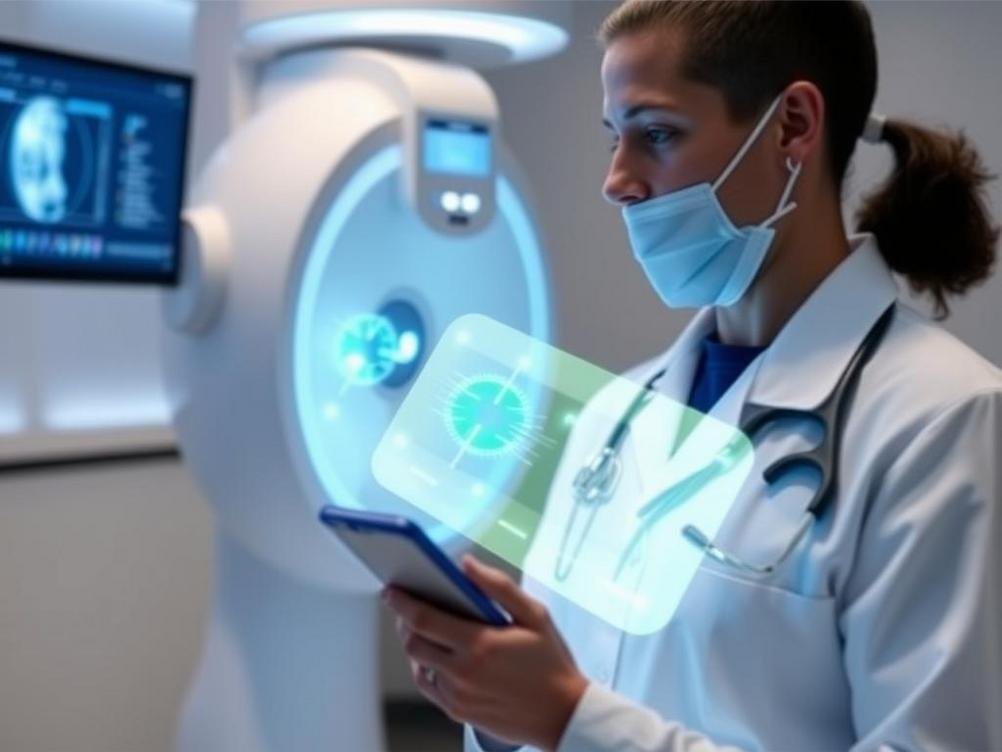
How Philips’ LumiGuide is Shaking Up AI-Driven 3D Navigation in Healthcare
Okay, picture this: you’re a doctor trying to navigate the twists and turns inside someone’s body during a tricky procedure, and suddenly, it’s like you’ve got a high-tech GPS that uses light and AI to guide you in real-time. Sounds straight out of a sci-fi flick, right? Well, that’s exactly what Philips is rolling out with their LumiGuide system, and they’re making it more available than ever. I mean, think about it—we’ve all gotten lost in a new city or fumbled with directions on our phones, but imagine if that frustration could be a thing of the past in medicine. Philips, the folks who’ve been innovating in healthcare for years, are expanding the commercial reach of this AI-enabled, light-based 3D navigation tech, and it’s a game-changer for everything from surgeries to diagnostics. It’s not just about fancy gadgets; it’s about making procedures safer, faster, and way less invasive. I remember reading about early trials where doctors could see blood vessels light up like a Christmas tree on a screen—talk about cool! This expansion means more hospitals and clinics can get their hands on it, potentially saving lives and reducing risks. So, if you’re into how AI is sneaking into our everyday health routines, stick around because we’re diving deep into what makes LumiGuide tick, why it’s a big deal, and what the future might hold. Let’s break it down in a way that doesn’t feel like a textbook—promise, no boring jargon overload.
What Exactly is LumiGuide, and Why Should You Care?
You know how your phone’s map app can reroute you when you hit traffic? LumiGuide is kinda like that, but for the human body. It’s this clever system from Philips that uses light—we’re talking fiber-optic tech here—combined with AI to create a 3D map in real-time during medical procedures. Imagine threading a catheter through veins without second-guessing your path; LumiGuide lights the way, literally. Philips developed this as part of their push into interventional radiology, where precision is everything. It’s not just a gadget; it’s like having x-ray vision upgraded with smarts.
Now, why should you care if you’re not a doctor? Well, this tech could mean shorter hospital stays, fewer complications, and even lower costs for procedures. Think about it—if AI can help avoid mistakes, that’s good news for everyone. According to a report from the World Health Organization, medical errors cause hundreds of thousands of injuries yearly, and tools like LumiGuide are stepping in to fix that. It’s humorous to think that while we’re all arguing over the best navigation app for our cars, Philips is out here navigating the insides of people. And with the recent expansion, it’s going from limited trials to widespread commercial use, which means more docs can play with this toy.
To break it down simply, here’s what LumiGuide offers in a nutshell:
- Real-time 3D imaging using light fibers, so you see exactly where you are inside the body.
- AI algorithms that learn and adapt, making suggestions like a helpful co-pilot.
- Integration with existing medical equipment, so it’s not a total overhaul for hospitals.
How AI Powers This Light-Based Magic
Alright, let’s get to the juicy part: the AI behind LumiGuide. It’s not like the AI in your Netflix recommendations; this is serious stuff that processes data from light signals to build a 3D model on the fly. Philips has packed in machine learning algorithms that analyze images faster than you can say “scalpel,” helping doctors spot issues before they become problems. It’s almost like having a super-smart sidekick whispering in your ear, “Hey, turn left at the artery.”
What makes it fun is how it blends old-school physics with new-age tech. Light-based navigation isn’t brand new—fiber optics have been around for ages—but adding AI turns it into something dynamic. For instance, the system can detect anomalies in real-time, like a bump in the road during a drive. A study published on the Philips website (Philips LumiGuide page) shows it reduces radiation exposure in procedures by up to 50%, which is a win for both patients and staff. I mean, who wants extra radiation when you’re already dealing with health issues? It’s like AI saying, “I got your back, doc.”
And let’s not forget the metaphors—this is akin to upgrading from a flip phone to a smartphone. Early navigation tools were clunky, but LumiGuide’s AI makes it intuitive. In practice, it uses patterns from thousands of past procedures to predict the best paths, almost like a chess grandmaster thinking several moves ahead. Pretty wild, huh?
The Big Expansion: What’s Changing in the Market?
So, Philips isn’t just tinkering in the lab anymore; they’re flipping the switch on wider commercial availability. That means hospitals around the globe can now snap up LumiGuide systems without waiting for special approvals or pilot programs. It’s like going from beta testing to full launch—exciting for the industry. This expansion is timely, especially with the post-pandemic push for better healthcare tech. Philips announced this rollout to hit key markets in Europe and North America first, aiming to make advanced tools accessible where they’re needed most.
What’s funny is how this mirrors everyday tech rollouts. Remember when smartphones went mainstream? Suddenly, everyone had one. LumiGuide could do the same for medical navigation, but with higher stakes. Early adopters are reporting smoother operations, and stats from industry reports suggest this could cut procedure times by 20-30%. That’s not chump change—it frees up resources and gets patients home faster. If you’re a healthcare provider, this is like getting a turbo boost.
To put it in perspective, here’s a quick list of what this expansion entails:
- Increased production and distribution to major healthcare networks.
- Training programs for staff, so they’re not fumbling with the tech on day one.
- Partnerships with other companies, like integration with electronic health records systems for seamless data flow.
Real-World Wins and Patient Stories
Let’s make this real—how is LumiGuide actually helping people? Take vascular procedures, for example. A doctor might use it to guide a stent into a blocked artery, and thanks to the AI, they can avoid risky areas with pinpoint accuracy. I heard about a case where a patient’s complex anatomy threw everyone for a loop, but LumiGuide’s 3D view made it a breeze. It’s stories like these that show why this tech is buzzing.
The benefits stack up quickly. For patients, less time under the knife means quicker recovery and fewer complications. Hospitals love it because it can reduce costs—one estimate from healthcare analysts suggests savings of thousands per procedure. It’s like AI is the ultimate efficiency hack. And humorously, it might even make doctors feel like superheroes, zipping through procedures without breaking a sweat.
If you’re curious about similar tech, check out advancements from competitors like Siemens or GE Healthcare, but LumiGuide stands out for its light-based approach. For more on how AI is transforming health, the FDA has resources on their site (FDA Medical Devices page), highlighting approvals for such innovations.
Potential Hiccups and Why It’s Not All Smooth Sailing
Don’t get me wrong; LumiGuide is awesome, but it’s not perfect. There are challenges, like the learning curve for staff who aren’t tech-savvy. Imagine trying to learn a new video game mid-level—frustrating, right? Plus, with any AI, there’s the risk of glitches, like false readings if the system misinterprets data. It’s a reminder that humans still need to be in the driver’s seat.
On a lighter note, what if the AI starts suggesting detours that lead nowhere? Okay, that’s unlikely, but it pokes fun at how reliant we’re getting on tech. Regulatory hurdles can slow things down, too, as governments ensure safety. Despite that, Philips is addressing these with robust testing, and user feedback is helping iron out the kinks. It’s all about balance—tech that’s powerful but user-friendly.
All things considered, the pros outweigh the cons. With ongoing improvements, LumiGuide could evolve into something even more reliable, much like how software updates fix our phones.
Looking Ahead: The Future of AI in Navigation
Fast-forward a few years, and LumiGuide might just be the tip of the iceberg. We could see AI navigation in everything from robotic surgeries to personalized treatments. Philips is already hinting at integrations with wearable tech, making monitoring a 24/7 thing. It’s exciting to think about how this could expand beyond hospitals—maybe even into home care devices.
But let’s keep it grounded. The key is ethical AI use, ensuring data privacy and equal access. If handled right, this could revolutionize healthcare globally. Imagine a world where procedures are as routine as a check-up—that’s the dream LumiGuide is chasing.
To wrap up this section, here are a few predictions:
- Wider adoption in emerging markets within the next 5 years.
- Enhancements with AR/VR for even more immersive experiences.
- Collaborations with AI giants like Google or IBM for smarter algorithms.
Conclusion
In the end, Philips’ expansion of LumiGuide shows how AI is quietly transforming healthcare, making the impossible feel everyday. From safer procedures to quicker recoveries, this tech isn’t just innovative—it’s lifesaving. We’ve covered the basics, the perks, and even some bumps in the road, but the real takeaway is that we’re on the cusp of a new era. If you’re in healthcare or just curious about tech, keep an eye on developments like this—they might just make you appreciate the wizardry behind modern medicine. Who knows? Maybe one day, we’ll all have a little AI navigator in our lives. Here’s to brighter, smarter futures—stay curious!