dailytech.ai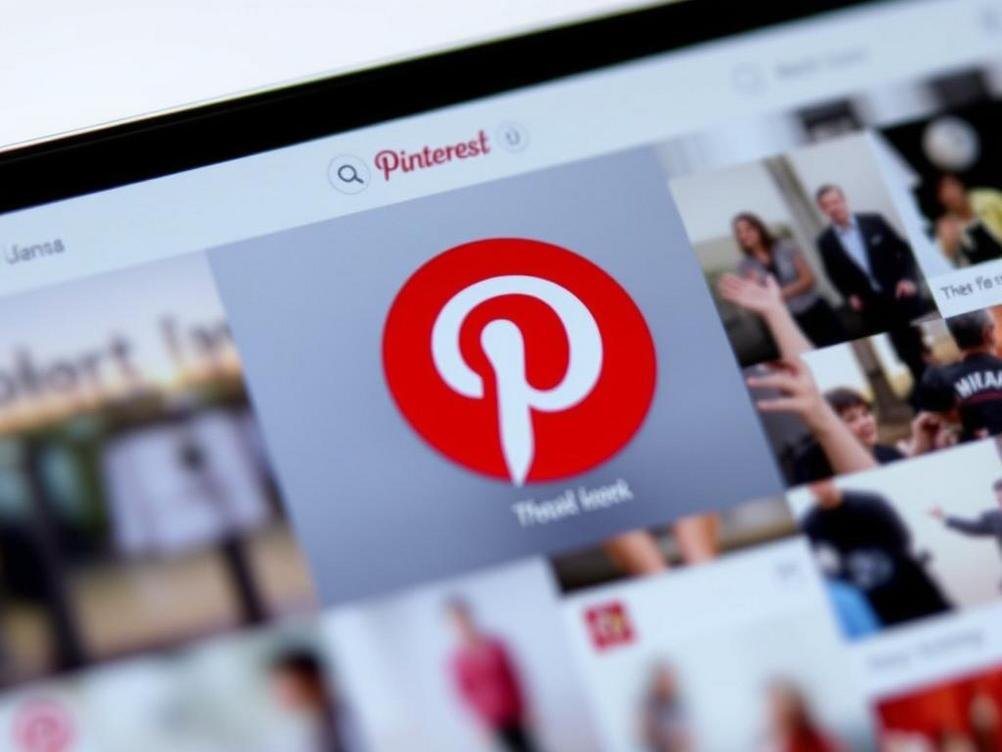
Is Pinterest’s AI Push Turning Off Its Loyal Fans? A Look at the Backlash
Picture this: you’re scrolling through Pinterest late at night, hunting for that perfect recipe for avocado toast or dreaming up your next DIY home project, and suddenly, the app feels… off. It’s like your favorite hangout spot got a fancy makeover with AI robots at the door, but now it’s serving up a bunch of weird suggestions that don’t quite hit the mark. That’s the vibe a lot of folks are getting these days with Pinterest diving headfirst into AI. I mean, who doesn’t love a bit of tech wizardry? But when it starts messing with the core of what makes Pinterest so addictive—its human touch and personalized vibes—it can leave even the most dedicated pinners feeling a bit betrayed. This whole strategy has sparked some serious chatter online, with users complaining that the AI is drowning out their real interests in a sea of generic recommendations. It’s not just a minor tweak; it’s a full-on overhaul, and not everyone is on board. From my own experience, I’ve seen how AI can be a game-changer, like when it suggests outfits based on your style, but Pinterest’s approach seems to be alienating the very people who built the platform. So, let’s dig into this mess, shall we? We’ll explore why Pinterest is going all-in on AI, how it’s changing the user experience, and whether this could be a blunder that pushes away its biggest fans. Trust me, it’s a wild ride, and by the end, you might just rethink how you use apps that rely on algorithms.
What’s the Deal with Pinterest’s AI Strategy?
You know how every company these days is slapping AI on everything like it’s the secret sauce? Well, Pinterest is no exception. They’ve been ramping up their AI game big time, using tools like machine learning to curate feeds, suggest pins, and even generate ideas on the fly. It’s all part of their push to make the app smarter and more efficient, especially as competition heats up from places like Instagram and TikTok. But here’s the thing—while AI can be a total lifesaver for discovering new stuff, Pinterest’s execution feels a tad forced. I’ve read reports from sites like TechCrunch that highlight how Pinterest is integrating AI to analyze user data and predict trends, aiming to boost engagement and ad revenue. Sounds great on paper, right? Yet, it’s leaving some users scratching their heads.
Take it from me, as someone who’s spent way too many hours pinning wedding ideas, the charm of Pinterest was always its community-driven feel. You could trust that your board on ‘cozy cabin vibes’ was filled with real people sharing genuine finds. Now, with AI jumping in, it’s like having an overzealous party crasher who keeps recommending the same trendy stuff everyone else is seeing. It’s ironic because AI was supposed to make things more personal, but instead, it’s homogenizing the experience. If you’re a long-time user, you might notice your feed flooded with AI-generated pins that don’t quite match your style—think algorithm-suggested recipes that are more ‘viral sensation’ than your actual taste. And let’s not forget the privacy angle; folks are worried about how all this data crunching could expose their search habits. It’s a double-edged sword, folks.
How AI is Shaking Up the Pinterest Experience
Let’s get real: AI on Pinterest is like that friend who knows you too well and starts finishing your sentences—helpful at first, but annoying when it gets it wrong. The company has rolled out features like AI-powered search and automated board suggestions, which are meant to save time and spark creativity. For instance, if you’re into gardening, AI might suggest pins based on popular trends, pulling from a massive database of images and data. But what happens when those suggestions miss the mark? Suddenly, your board is cluttered with unrelated stuff, like pumpkin spice ideas when you’re all about succulents. It’s disrupting the flow, making the app feel less intuitive and more like a corporate sales pitch.
From what I’ve gathered chatting with other users on forums, the backlash isn’t just about bad recommendations; it’s about the loss of control. Pinterest used to let you fine-tune your experience with keywords and manual saves, but now AI is stepping in as the boss. Imagine you’re planning a vacation, and instead of your carefully curated travel pins, you’re bombarded with sponsored AI picks for luxury resorts you can’t afford. It’s frustrating! To break it down, here’s a quick list of how AI is changing things:
- It speeds up content discovery, which is awesome for busy folks.
- But it can create echo chambers, showing you only what’s trending and ignoring your unique tastes.
- Ad integration gets sneakier, blending sponsored content so seamlessly that it’s hard to tell what’s real.
- User engagement might dip if people feel like their input doesn’t matter anymore.
In short, while AI aims to enhance, it’s often subtracting from the fun.
Why Pinterest’s Most Loyal Users Are Hitting the Brakes
If you’ve been a Pinterest die-hard for years, this AI shift probably feels like a betrayal, like when your favorite band releases a album that’s way off from their roots. These users—think the moms planning epic birthday parties or the hobbyists building custom furniture—rely on Pinterest for inspiration that’s tailored and authentic. But with AI taking over, they’re seeing a flood of generic content that doesn’t resonate. I’ve heard stories from Reddit threads where users complain about pins that are straight-up AI-generated images, which look polished but lack the soul of real user uploads. It’s alienating because it undermines the community aspect that made Pinterest special in the first place.
Statistics from a recent survey on Statista show that user retention on platforms like Pinterest can drop by up to 20% when algorithms feel too invasive. For dedicated users, it’s not just about the content; it’s about feeling heard. They might spend hours curating boards only to have AI mess it up with irrelevant suggestions. And let’s add a dash of humor here—if AI keeps pushing wedding ideas to single folks just because they pinned one dress once, it’s like the app playing matchmaker without consent. Ouch! In the end, these users are voting with their thumbs, uninstalling or scaling back their time on the app.
The Funny (and Not So Funny) Side of User Backlash
Okay, let’s lighten things up a bit because if we don’t laugh, we’ll cry. The internet is full of hilarious tales from Pinterest users dealing with AI gone wrong. Like that one guy who was pinning fishing tips and suddenly got a board full of AI-suggested ‘extreme angling adventures’ that included spaceships—wait, what? It’s absurd! These stories highlight how AI can misinterpret context, turning a simple search for ‘cozy blankets’ into a avalanche of futuristic sci-fi designs. I’ve seen memes circulating on Twitter about how Pinterest’s AI is basically that overly enthusiastic aunt at family gatherings, shoving unwanted advice your way.
But beneath the laughs, there’s a real issue. Users are sharing how this is affecting their daily lives, like small business owners who relied on Pinterest for traffic. One creator told a story on YouTube about how her handmade jewelry pins got buried under AI-promoted knockoffs. It’s a metaphor for the digital world: AI is the shiny new toy, but it’s stepping on the little guys. To put it in perspective, here are a few user reactions I’ve come across:
- Bewildered pinners posting: “Why is my feed full of AI art when I asked for real DIY projects?”
- Frustrated comments like: “It’s like Pinterest forgot who I am!”
- Hilarious takes: “AI recommendations are great if you want to plan a wedding in outer space.”
If Pinterest doesn’t address this, the backlash could turn into a full-blown exodus.
Is This AI Gamble Worth It for Pinterest?
Pinterest’s brass probably thought, “Hey, let’s throw AI at everything and watch the numbers soar!” And sure, there are perks—AI can analyze billions of pins to spot emerging trends faster than a human ever could. For the company, this means better ad targeting and potentially higher revenue, which is why they’re pushing forward. But is it worth the risk of losing their core audience? From a business standpoint, it’s a classic trade-off: innovate or stagnate. I’ve read analyses suggesting that AI-driven platforms can see a 30% boost in user growth initially, but that drops if trust erodes, as per reports from Forbes.
Think of it like redecorating your house: sometimes a bold change pays off, but if it makes your family uncomfortable, what’s the point? Pinterest might gain new users who dig the AI hype, but at what cost? If dedicated fans bail, the platform could lose its identity. It’s a gamble, and only time will tell if it’s a winning hand or a flop. Me? I’d say they need to balance the tech with the human element to keep things fresh without alienating everyone.
What Can Pinterest Do to Turn Things Around?
Alright, enough doom and gloom—let’s talk solutions. If Pinterest wants to win back its users, they need to hit the reset button on this AI strategy. How about giving users more control, like customizable AI settings where you can dial back the suggestions? That way, power-users can tweak things to feel more in charge. I’ve seen similar fixes on apps like YouTube, where you can adjust your feed preferences, and it works wonders. Pinterest could also focus on transparency, maybe adding labels to AI-generated content so it’s clear what’s real and what’s not. It’s about rebuilding trust, folks.
Additionally, they should listen to feedback—perhaps through user surveys or community forums. Here’s a simple list of steps they could take:
- Roll out beta features for AI tweaks, letting users test and provide input.
- Partner with creators to ensure AI enhances, not replaces, organic content.
- Offer incentives, like premium features, for loyal users to stick around.
If they play their cards right, this could be a chance to evolve without losing what made Pinterest great in the first place.
Conclusion
Wrapping this up, Pinterest’s leap into AI is a mixed bag—it’s exciting for the future, but it’s clearly ruffling feathers among the folks who made the platform what it is. We’ve seen how this strategy is alienating dedicated users, potentially harming the very community that drives its success. But hey, every challenge is a chance for growth, right? If Pinterest can find that sweet spot between cutting-edge tech and user-friendly vibes, they might just come out stronger. As for you, dear reader, keep an eye on how your favorite apps evolve and don’t be afraid to voice your opinions. After all, in the world of social media, your pin is mightier than the algorithm. So, what’s your take? Are you sticking with Pinterest through this AI storm, or are you ready to explore other options? Let’s keep the conversation going—drop a comment below!