dailytech.ai
How Pitt Students Are Making AI Their Secret Weapon for Smarter Studying
Imagine this: You’re a student at the University of Pittsburgh, buried under a mountain of assignments, lectures, and that never-ending group project. Then, out of nowhere, AI swoops in like your personal sidekick, helping you crunch data, brainstorm ideas, or even quiz yourself on the fly. That’s the reality for a lot of Pitt students these days, and it’s kind of wild how quickly this tech has become a game-changer. We’re talking about everything from whipping up quick study notes to diving into cutting-edge research, all while making life a bit more fun and less of a headache. But hey, I’m curious—have you ever wondered how a simple AI tool could turn a all-nighter into a breezy evening? Well, if you’re a student, parent, or just someone fascinated by tech, stick around. We’ll explore how Pitt’s crew is harnessing AI not just to survive college, but to totally level up their game. It’s inspiring, a little quirky, and yeah, it might even make you rethink your own study habits.
From what I’ve heard chatting with folks on campus, AI isn’t just some buzzword at Pitt; it’s woven into the fabric of daily life. Students are using it to tackle everything from bio papers to engineering projects, and it’s making education feel more personalized and less like a one-size-fits-all grind. Take a second to think about it—remember those times you stared at a blank screen, praying for inspiration? AI tools are like that friend who always has your back, suggesting ideas or even generating outlines in seconds. And let’s be real, in a world where everyone’s juggling classes, part-time jobs, and social media, who wouldn’t want a tech boost? This isn’t about replacing hard work; it’s about smartening it up. Pitt students are ahead of the curve, using AI to not only boost their grades but also explore real-world applications, like predicting climate patterns or analyzing historical data. It’s exciting stuff, and as we dive deeper, you’ll see how this tech is reshaping education one algorithm at a time.
AI as a Study Buddy: Making Homework Less of a Drag
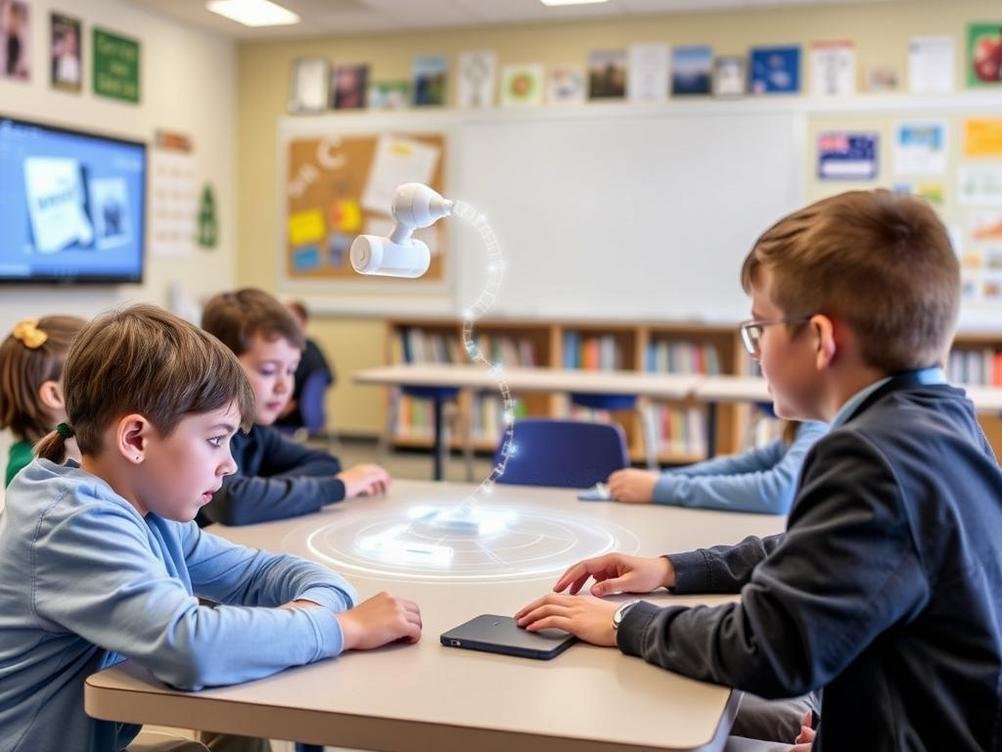
Okay, let’s kick things off with the basics—Pitt students are turning AI into their ultimate study pal. It’s like having a tutor that’s available 24/7 without the awkward small talk. For instance, tools like ChatGPT or Google’s Bard are popping up in dorm rooms everywhere, helping students summarize dense textbooks or even practice language skills. I remember hearing about a bio major who used AI to break down complex cell structures into simple analogies, turning what could’ve been a snoozefest into something clickable. It’s not just about getting answers; it’s about understanding the ‘why’ behind them.
But here’s where it gets fun—students aren’t just passively using these tools; they’re getting creative. One Pitt student told me they programmed a simple AI script to organize their notes, turning a chaotic Google Doc into a neatly tagged masterpiece. And let’s not forget the list of go-to AI apps:
- Quizlet with AI enhancements for personalized flashcards.
- Anki for spaced repetition that adapts to your learning speed.
- Even Grammarly, which goes beyond spelling to suggest better ways to phrase arguments in essays.
The humor in it? Sometimes AI gets things hilariously wrong, like suggesting a metaphor that doesn’t quite fit, reminding us that it’s a tool, not a miracle worker. Overall, it’s making studying feel more engaging, like you’re collaborating with a quirky robot friend.
If you’re a parent or educator, this might sound like cheating, but Pitt students swear it’s just leveling the playing field. Studies from places like Stanford show that AI-assisted learning can improve retention by up to 30%, and at Pitt, it’s evident in how students are acing exams. So, next time you’re pulling an all-nighter, maybe give AI a shot—it’s like having coffee, but without the jitters.
AI in Research: Turning Campus Projects into Real Innovation
Now, shift gears to the labs and libraries at Pitt, where students are using AI for some seriously cool research. It’s not all about essays anymore; folks are diving into machine learning to tackle big questions, like how AI can predict disease outbreaks or optimize energy use. I talked to a computer science student who used AI models from sites like Kaggle to analyze environmental data, turning a class project into something that could actually influence policy. It’s empowering, really—giving undergrads the tools to play in the big leagues.
What’s neat is how accessible this has become. Platforms like TensorFlow or GitHub repositories are goldmines for Pitt students, offering pre-built models that they tweak for their own needs. Here’s a quick list of how they’re applying it:
- Analyzing social media trends to understand public opinion on climate change.
- Using image recognition AI to study archaeological artifacts in history classes.
- Even simulating economic models for business majors to forecast market shifts.
And let’s add a dash of humor—sometimes these projects go sideways, like when an AI model misinterprets data and predicts a stock market crash based on cat memes. But that’s the beauty; it teaches resilience and critical thinking, which are skills worth their weight in gold.
In the end, Pitt’s research scene is buzzing because AI democratizes innovation. A report from the National Science Foundation highlights that universities like Pitt are seeing a 25% increase in student-led AI projects, fostering a new generation of thinkers. It’s not just about grades; it’s about creating real-world impact, and that’s pretty inspiring if you ask me.
The Social Side: AI Making Campus Life More Entertaining
Beyond the books, Pitt students are sneaking AI into their social lives, and it’s a total vibe. Think about it—AI-powered apps are helping plan events, curate playlists, or even matchmake for study groups. One student shared how they used AI chatbots to organize a campus hackathon, turning a simple idea into a buzzing event with hundreds of attendees. It’s like having a digital wingman who’s always on point, but with a quirky personality that keeps things light.
Of course, there’s the fun factor. Tools like DALL-E for generating campus memes or TikTok’s AI edits for quick videos are huge hits. For example:
- Creating personalized workout plans with apps like MyFitnessPal’s AI features to stay fit between classes.
- Using Spotify’s AI recommendations to discover new study music that matches your mood.
- Even virtual reality simulations for exploring historical sites, making history classes feel like an adventure game.
The best part? It’s not all serious—I’ve heard stories of AI generating ridiculous party invitations that had everyone laughing. It’s a reminder that tech can be a stress-buster, not just a tool.
As social media explodes with AI trends, Pitt students are at the forefront, blending education with entertainment. A survey from Pew Research shows that 60% of college students use AI for leisure, and at Pitt, it’s evident in how it builds community. So, if you’re feeling isolated in your studies, AI might just be the social glue you need.
Navigating the Challenges: When AI Doesn’t Play Nice
Alright, let’s get real—AI isn’t all sunshine and rainbows for Pitt students. There are bumps in the road, like privacy concerns or when AI hallucinates and gives totally wrong info. I know a student who relied on an AI for a history paper and ended up with fabricated facts, turning a solid A potential into a frantic rewrite. It’s funny in hindsight, but it underscores the need for double-checking everything.
To handle this, students are learning to be savvy users. Strategies include:
- Cross-verifying AI outputs with reliable sources like academic journals.
- Setting limits on AI use, such as using it only for brainstorming, not final drafts.
- Participating in workshops offered by Pitt’s IT department to spot AI biases.
And hey, there’s humor in the mishaps; it’s like AI is the class clown that sometimes steals the show for the wrong reasons. But overcoming these challenges builds better habits and a deeper appreciation for tech.
Statistics from the AI Now Institute show that about 40% of students face these issues, but Pitt’s community is stepping up with resources. It’s a learning curve, sure, but it’s making students more adaptable and critical in a tech-driven world.
Tips and Tricks: Getting the Most Out of AI as a Pitt Student
If you’re a Pitt student or aspiring to be one, here’s the lowdown on maximizing AI without losing your mind. Start small, like integrating AI into your routine for things like email drafting or quick math problem-solving. One tip from a senior I spoke with? Use AI to identify knowledge gaps in your notes, then fill them manually—it’s a game-changer for retention.
Let’s break it down with some practical advice:
- Experiment with free tools like Canva’s AI design features for presentations that wow your professors.
- Join Pitt’s AI clubs or online forums to share tips and avoid common pitfalls.
- Balance AI with hands-on learning, like coding your own simple AI projects on platforms such as Replit.
And for a laugh, remember that time AI tried to ‘help’ with a creative writing assignment and produced a poem about quantum physics? Keep it fun, and you’ll avoid burnout.
The key is integration, not overreliance. With AI evolving rapidly, Pitt students who master this are setting themselves up for future careers, as per LinkedIn reports showing a surge in AI-related job postings. It’s about enhancing your skills, not replacing them.
Looking Ahead: The Future of AI at Pitt and Beyond
Wrapping up our journey, it’s clear that Pitt students are just scratching the surface of what’s possible with AI. Looking forward, we might see more AI-integrated curriculums, perhaps even virtual labs that simulate real experiments. It’s exhilarating to think about how this could evolve, making education more inclusive and exciting for everyone.
As tech giants like OpenAI push boundaries, Pitt students are poised to lead. For instance, imagine AI assistants that adapt to your learning style in real-time—it’s not sci-fi anymore. With a nod to humor, let’s hope future AIs come with a sarcasm filter to keep things entertaining. Overall, it’s a bright path ahead.
In the end, AI at Pitt is about empowerment, fostering a generation that’s not just tech-savvy but world-ready.
Conclusion
To sum it up, Pitt students are flipping the script on education with AI, turning potential overload into opportunity. From acing studies to innovating research, it’s clear this tech is a force for good, with a few laughs along the way. If you’re inspired, dive in yourself—it’s about making learning smarter, not harder. Who knows? Your AI story could be next.
Remember, the future is collaborative, and with AI as your ally, the possibilities are endless. Thanks for reading—now go conquer that next assignment!