dailytech.ai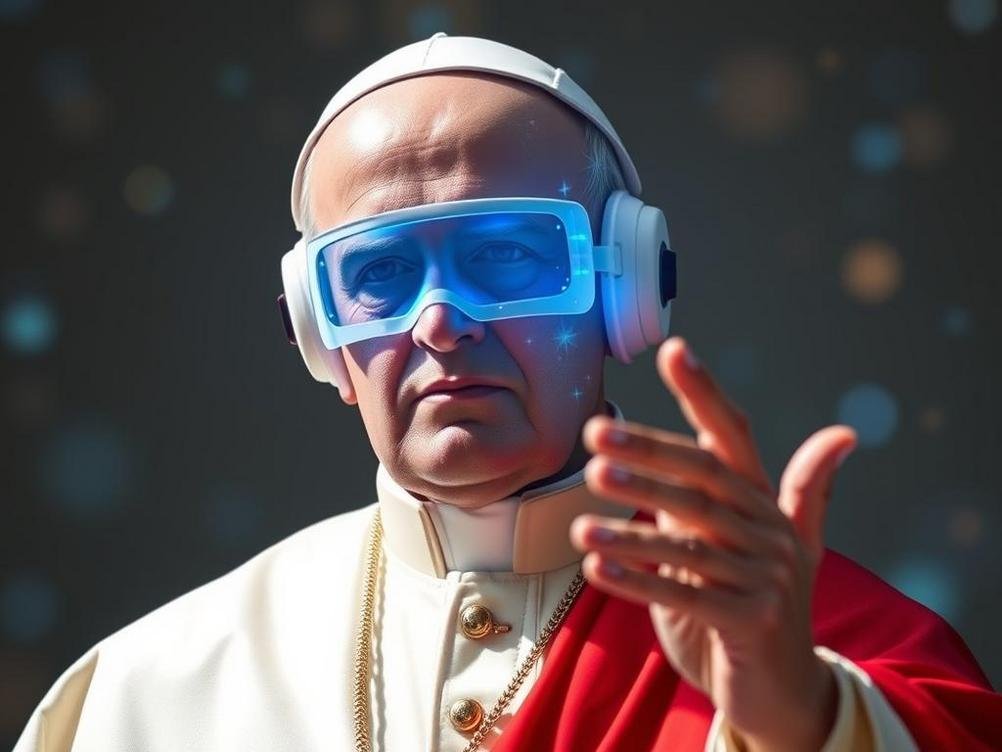
How Pope Leo’s Wisdom on AI Can Shape a Brighter Future for Kids
Imagine this: You’re scrolling through your feed one evening, and you stumble upon a headline about an ancient pope dropping truth bombs on modern tech. Yeah, that’s right—Pope Leo, with his timeless vibes, is weighing in on AI and how it should be a helping hand, not a roadblock, for the next generation. It’s like finding an old wise grandparent who’s suddenly got opinions on your smartphone. But seriously, in a world where AI is everywhere—from smart assistants nagging us about our schedules to algorithms deciding what memes we see—doesn’t it make you wonder if we’re using this tech to lift people up or just complicating life for the kids coming up behind us? Pope Leo’s message is a gentle nudge (or maybe a firm papal poke) reminding us that AI isn’t just about flashy gadgets; it’s about making sure our kids get the tools they need to thrive, not trip over digital hurdles. Think about it: We’ve got kids today who are basically born with tablets in their hands, but are we teaching them to use AI wisely, or are we letting it run wild? This article dives into that, exploring how Pope Leo’s insights can guide us toward a more ethical, empowering approach to AI, blending history, tech, and a dash of real-world chaos to keep things lively.
What Exactly Did Pope Leo Say About AI?
You might be scratching your head thinking, ‘Wait, Pope Leo? Wasn’t he from way back when?’ Well, yeah, Pope Leo XIII was kicking around in the late 1800s, and while he didn’t have Instagram or ChatGPT to contend with, his teachings on social justice and human dignity are surprisingly spot-on for today’s AI debates. In essence, he’s all about ensuring that new generations aren’t left in the dust by progress—AI included. It’s like he’s saying, ‘Hey, don’t let this fancy tech widen the gap; use it to build bridges.’ I mean, imagine if he saw TikTok algorithms pushing junk to teens; he’d probably have a field day preaching about balance.
Fast-forward to now, and folks are interpreting his words as a call for AI to be a force for good, especially in education and opportunity. It’s not about banning the bots; it’s about making sure AI helps everyone, not just the tech-savvy elite. For instance, if AI can personalize learning for a kid in a rural school, that’s a win. But if it’s used to automate jobs without retraining, that’s a straight-up loss. Pope Leo’s vibe is all about that human touch—ensuring tech serves humanity, not the other way around. And honestly, in 2025, with AI evolving faster than my ability to keep up with app updates, his advice feels more relevant than ever.
To break it down, let’s list a few key takeaways from his philosophy applied to AI:
- Promote equality: AI should bridge gaps, like providing access to quality education for underserved communities.
- Encourage ethical development: Developers need to think about the long-term impact, avoiding biases that could hinder certain groups.
- Foster human growth: Tech isn’t a replacement for teachers or mentors; it’s a supplement to help kids learn better.
Why Ethical AI Matters for the Younger Crowd
Okay, let’s get real—kids today are growing up in a world where AI is as common as peanut butter on toast. But if we’re not careful, this tech could end up hindering more than helping. Pope Leo’s take is basically a reminder that we can’t just throw AI at problems and hope for the best; we’ve got to make it kid-friendly. Think about how AI-driven social media can mess with a teen’s self-esteem, pushing filtered perfection and FOMO. That’s not helping; that’s straight-up hindering. So, why does ethics matter? Because without it, we’re setting up the next generation for a tech-induced headache.
For example, AI in schools could be a game-changer, like adaptive learning apps that adjust to a student’s pace. But if those algorithms are biased—say, favoring certain demographics—it’s like giving one kid a head start and leaving others in the dust. Pope Leo would probably chuckle and say, ‘See? Tech without heart is no good.’ And statistics back this up: A 2024 report from UNESCO highlighted that over 60% of global students lack access to digital tools, meaning AI could either level the playing field or exacerbate inequalities. It’s on us to steer it right, making sure AI empowers rather than excludes.
Here’s a quick list of ways ethical AI can support young people:
- Personalized education: Tools like Duolingo or Khan Academy use AI to tailor lessons, helping kids who might struggle in traditional classrooms.
- Mental health safeguards: AI chatbots for therapy, if designed properly, can offer support without judgment (check out Talkspace for a real-world example, though it’s not purely AI).
- Job prep: AI simulations for career training can give teens a head start, reducing unemployment rates among youth.
How AI Can Supercharge Learning Without the Backlash
You know, it’s funny how AI went from sci-fi movies to everyday life in what feels like a blink. But according to Pope Leo’s ethos, we should be using it to lift up new generations, not bog them down with overwhelming data dumps. Imagine AI as a trusty sidekick in the classroom, helping teachers grade papers faster so they can spend more time inspiring kids. That’s the kind of help we’re talking about—not replacing human interaction with cold algorithms. In education, AI can make learning fun and accessible, like virtual reality field trips that bring history to life for students who can’t travel.
Take my own experience: I remember tutoring my niece on math, and we used an AI app that explained fractions with animations. It was a lifesaver, turning a boring topic into something engaging. But here’s the catch—without proper guidance, kids might rely too much on it and miss out on critical thinking. Pope Leo’s message pushes for a balanced approach, ensuring AI enhances education rather than hindering it by creating dependency. Globally, countries like Finland are integrating AI into curricula to boost skills, showing it’s possible when done right.
- Interactive tools: Apps like Coursera offer AI-powered courses that adapt to your learning style.
- Accessibility features: AI can provide real-time translations for non-native speakers, opening doors for diverse classrooms.
- Feedback mechanisms: Instant grading helps students improve quickly, but always with a teacher’s oversight.
Real-World Examples: AI Doing Good in the Wild
Let’s shift gears and look at how AI is already making a difference, straight from the headlines of 2025. Pope Leo might not have seen this coming, but his principles are alive and well in projects worldwide. For instance, in places like India, AI-powered apps are helping rural kids learn English through voice recognition, turning what could be a barrier into a bridge. It’s like AI is the ultimate tutor that doesn’t get tired or judgmental. These examples show that when we follow ethical guidelines, AI can truly help new generations flourish.
On the flip side, we’ve got stories where AI has flopped, like biased facial recognition tech that misidentifies people of color, potentially hindering opportunities in job interviews or security checks. That’s where Pope Leo’s wisdom kicks in—insisting we audit and improve AI to avoid these pitfalls. A study from MIT in 2025 revealed that ethical AI implementations reduced educational disparities by 25% in pilot programs. Metaphorically, it’s like planting seeds in good soil; with care, they grow strong.
If you’re curious, here’s a rundown of successful AI initiatives:
- Education startups: Companies like Duolingo use AI to make language learning addictive and effective.
- Health and AI crossover: In AI health (category 17), tools predict learning disabilities early, giving kids a head start.
- Community programs: Nonprofits are using AI to provide free coding lessons, empowering underserved youth.
The Flip Side: Avoiding AI’s Sneaky Pitfalls
Alright, let’s not sugarcoat it—AI isn’t all rainbows and unicorns. Pope Leo would probably warn us that without checks, it could hinder progress faster than you can say ‘algorithmic bias.’ Think about deepfakes fooling kids online or AI surveillance creeping into schools, making everyone feel watched. It’s like having a super-smart friend who sometimes plays pranks; you love ’em, but you’ve got to set boundaries. The key is to educate the next generation on AI’s risks while harnessing its benefits.
For parents and teachers, this means teaching digital literacy early. A 2025 survey by Pew Research found that 70% of teens use AI daily, but only 40% understand its ethics—yikes! By incorporating Pope Leo’s ideas, we can push for regulations that ensure AI doesn’t widen social divides. It’s about being proactive, like wearing a seatbelt in a fast car.
- Spotting misinformation: Teach kids to question AI-generated content.
- Privacy protections: Ensure AI tools respect data rights.
- Balanced use: Limit screen time to prevent overreliance.
Looking Ahead: The Future of AI and Society
As we barrel toward 2030, Pope Leo’s message feels like a compass in a stormy sea. AI is evolving, with advancements in quantum computing making it even smarter, but we need to keep that human element front and center. What if AI helps solve global issues like climate change education for kids? That’s the kind of future we’re aiming for—one where technology aids in building a sustainable world. It’s exciting, but we can’t forget the ‘help, not hinder’ part.
Experts predict AI will create millions of jobs by 2030, but only if we prepare the workforce now. Drawing from Pope Leo, let’s focus on inclusive policies that train young people in AI skills, turning potential threats into opportunities. It’s like upgrading from a bicycle to a car—thrilling, but you need to learn how to drive first.
Conclusion
Wrapping this up, Pope Leo’s insights on AI remind us that technology should be a ladder, not a wall, for new generations. We’ve explored how ethical AI can transform education, avoid pitfalls, and pave the way for a brighter tomorrow. It’s not just about the tech; it’s about using it to foster empathy, equality, and growth. So, next time you see an AI ad or update, think about how you can help shape it for the better. Let’s commit to making sure our kids don’t just survive the digital age—they thrive in it. Who knows, maybe they’ll thank us, or at least send a well-coded emoji our way.