SpaceX Finalizes Cursor Acquisition to Boost AI and Tech Leadership
SpaceX finalizes Cursor acquisition, strengthening AI and machine learning to drive innovation. Discover insights on tech strategy now.
 verified
In a significant strategic move solidifying its trajectory in advanced technology, SpaceX has finalized its acquisition of Cursor, a prominent artificial intelligence and machine learning firm. This SpaceX Cursor acquisition, valued at an estimated $60 billion in an all-stock deal, positions the aerospace and satellite internet giant to significantly bolster its AI capabilities across its diverse operations, from rocket propulsion and autonomous spacecraft to its burgeoning Starlink satellite constellation.
- SpaceX has completed its $60 billion all-stock acquisition of AI firm Cursor, signaling a major push into advanced artificial intelligence and machine learning.
- The acquisition is set to integrate Cursor’s proprietary AI technologies into SpaceX’s core operations, enhancing areas like Starlink, autonomous flight, and rocket reusability.
- This move highlights a broader trend of technology mergers and acquisitions focused on AI, demonstrating the critical role AI is playing in the evolution of aerospace and telecommunications.
- The deal empowers SpaceX with a robust AI developer tools ecosystem and a significant talent pool, positioning it for accelerated innovation in machine learning integration.
Acquisition Overview and Strategic Rationale
The SpaceX Cursor acquisition, initially announced shortly after SpaceX’s blockbuster IPO, reached its conclusion, as reported by Bloomberg on August 14, 2026. This acquisition is not merely a financial transaction but a strategic pivot for SpaceX, aiming to embed sophisticated artificial intelligence deeper into its operational fabric. The official confirmation of the deal, following its initial reveal by TechCrunch, underscores SpaceX’s aggressive artificial intelligence strategy, recognizing AI as a crucial differentiator in the highly competitive space and telecommunications sectors. The integration of Cursor’s advanced machine learning capabilities is expected to yield substantial efficiencies and unlock new functionalities across SpaceX’s diverse portfolio.
Background on Cursor: A Deep Dive into Its AI Prowess
Cursor has carved out a niche in the AI landscape through its innovative approach to machine learning and data processing. While specific details of its product portfolio have often been closely guarded, industry observers have noted Cursor’s strengths in developing adaptable AI models capable of operating in complex, dynamic environments. This focus aligns well with the challenges inherent in space exploration and satellite network management, where real-time decision-making and autonomous operation are paramount.
Cursor’s Proprietary Technologies
At the heart of Cursor’s value proposition are its proprietary algorithms and frameworks for edge AI and reinforcement learning. These technologies enable AI systems to learn and adapt with minimal human intervention, making them ideal for scenarios where continuous connectivity or immediate human oversight is impractical. Sources familiar with Cursor’s operations point to advanced neural network architectures optimized for efficiency and resilience, crucial for deployment in resource-constrained environments like spacecraft. The company has also reportedly developed robust data fusion techniques, allowing its AI to synthesize information from disparate sensors—a capability that could be transformative for SpaceX’s sensor-rich rockets and satellites.
Existing Products and Market Footprint
Before the acquisition, Cursor had a reputation within specific enterprise AI circles for its specialized AI developer tools and platforms designed to accelerate the deployment of intelligent systems. While not a household name, its clientele included firms in logistics, advanced manufacturing, and defense, all sectors demanding high-reliability AI solutions. These products often focused on predictive maintenance, anomaly detection, and autonomous control systems. The direct integration of these tools into SpaceX’s internal development processes could significantly streamline the creation and deployment of custom AI solutions for its unique operational needs.
AI and Machine Learning Integration Plans for SpaceX
The integration of Cursor into SpaceX is expected to be comprehensive, touching various facets of the company’s ambitious projects. The primary objective is to infuse advanced machine learning integration into areas where autonomy, efficiency, and real-time data analysis are critical.
Synergies with Starlink and Reusable Rocketry
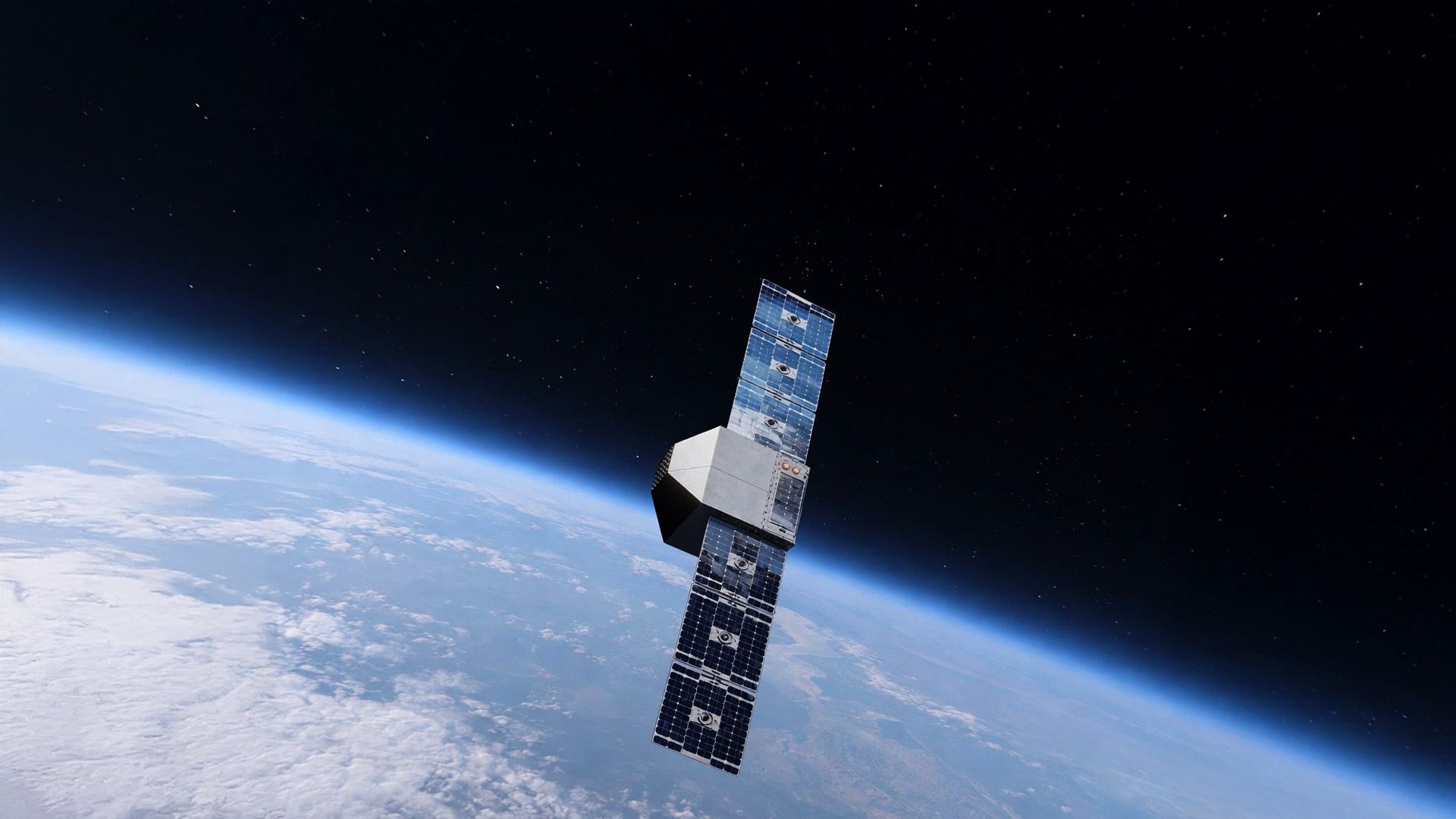
One of the most immediate and impactful areas for Cursor’s integration is the Starlink satellite constellation. With tens of thousands of satellites planned, managing such a vast network, optimizing signal routing, detecting anomalies, and autonomously reconfiguring the constellation in response to space weather or operational demands will increasingly rely on sophisticated AI. Cursor’s edge AI capabilities could enable satellites to make more intelligent decisions autonomously, reducing latency and reliance on ground control. Similarly, in reusable rocket technology, AI can further enhance the precision of landing procedures, predict component fatigue, and optimize launch windows, contributing to even greater reliability and cost-effectiveness. The insights gained from embedded AI silicon could also inform future hardware decisions.
Implications for Developer Tools and AI Talent
Beyond specific applications, the acquisition is also a significant play for talent and technology infrastructure. Cursor brings a team of highly skilled AI engineers and researchers, complementing SpaceX’s existing technical prowess. Furthermore, Cursor’s AI developer tools will likely be integrated into SpaceX’s internal development pipelines, empowering SpaceX engineers to rapidly prototype, test, and deploy AI-driven solutions across different divisions. This could foster an internal ecosystem of AI innovation, akin to how OpenAI acquisitions have aimed to boost productivity in other sectors.
The Bigger Picture: Why This Acquisition Matters
The SpaceX Cursor acquisition is a powerful testament to the accelerating integration of AI into mission-critical and complex engineering domains. It signifies a strategic imperative for companies operating at the forefront of technology to not just adopt AI, but to own and deeply integrate foundational AI capabilities. In an era where data volumes are exploding and operational environments are becoming increasingly dynamic, AI is no longer a luxury but a necessity for maintaining a competitive edge and driving efficiency. This move places SpaceX in an even stronger position to innovate autonomously, potentially setting new benchmarks for efficiency and reliability in space operations. It also underscores a broader trend in technology mergers where strategic AI firms are being snapped up to provide a competitive moat, similar to how AI is enhancing CAD modeling in design.
Market and Competitive Implications
This high-value acquisition sends a clear signal to competitors in both the aerospace and satellite internet markets. For established aerospace giants, it highlights the increasing pressure to integrate advanced AI into their own operations, potentially spurring further investments and technology mergers in the AI space. For rival satellite internet providers, SpaceX’s enhanced AI capabilities could translate into more efficient network management, superior service delivery, and potentially lower operational costs, raising the bar for network intelligence. The immediate response from competitors is likely to be an evaluation of their own AI strategies and potential M&A targets.
Challenges and Future Innovation Roadmap
Integrating a company of Cursor’s technical depth into a large, fast-paced organization like SpaceX will undoubtedly present challenges, including cultural alignment, technical integration of disparate systems, and retaining key talent. However, the potential rewards appear to outweigh these hurdles. Looking ahead, SpaceX’s innovation roadmap, now infused with Cursor’s expertise, is likely to feature more autonomous missions, increasingly intelligent satellite networks, and potentially even AI-driven design and manufacturing processes for its next-generation hardware. This acquisition could accelerate the development of truly self-optimizing space systems, pushing the boundaries of what is currently possible.
Frequently Asked Questions
- What is the primary keyword for this article?
- The primary keyword is “SpaceX Cursor acquisition.”
- What is the approximate value of the SpaceX Cursor acquisition?
- The acquisition is valued at an estimated $60 billion in an all-stock deal.
- Which areas of SpaceX’s operations are expected to benefit most from Cursor’s AI?
- Key areas include Starlink satellite network management, reusable rocket technology, autonomous flight systems, and internal AI developer tools.
- Why is this acquisition considered significant?
- It signifies SpaceX’s aggressive artificial intelligence strategy, its commitment to machine learning integration, and reflects a broader industry trend of technology mergers for AI capabilities, positioning SpaceX for enhanced innovation and competitiveness.
Conclusion
The finalization of the SpaceX Cursor acquisition marks a pivotal moment in SpaceX’s evolution, underscoring the critical role of artificial intelligence and machine learning in shaping the future of space exploration and global connectivity. By integrating Cursor’s advanced AI developer tools and deep expertise, SpaceX is poised to accelerate its ambitious projects, from optimizing its Starlink constellation to enhancing the autonomy and efficiency of its rocket systems. This strategic investment not only fortifies SpaceX’s technological leadership but also sets a new precedent for the aerospace industry’s embrace of intelligent automation, driving innovation that promises to redefine the boundaries of what is achievable in space.
Source: TechCrunch

Marcus Chen is the editorial byline for DailyTech.ai's coverage of artificial intelligence, cloud computing and emerging technology. Articles published under this byline are researched and edited by the DailyTech.ai team. Each one links to its primary sources — company announcements, published research and official documentation — so readers can check the original for themselves.
More to Explore
Discover more content from our partner network.


Join the Conversation
0 CommentsLeave a Reply