dailytech.ai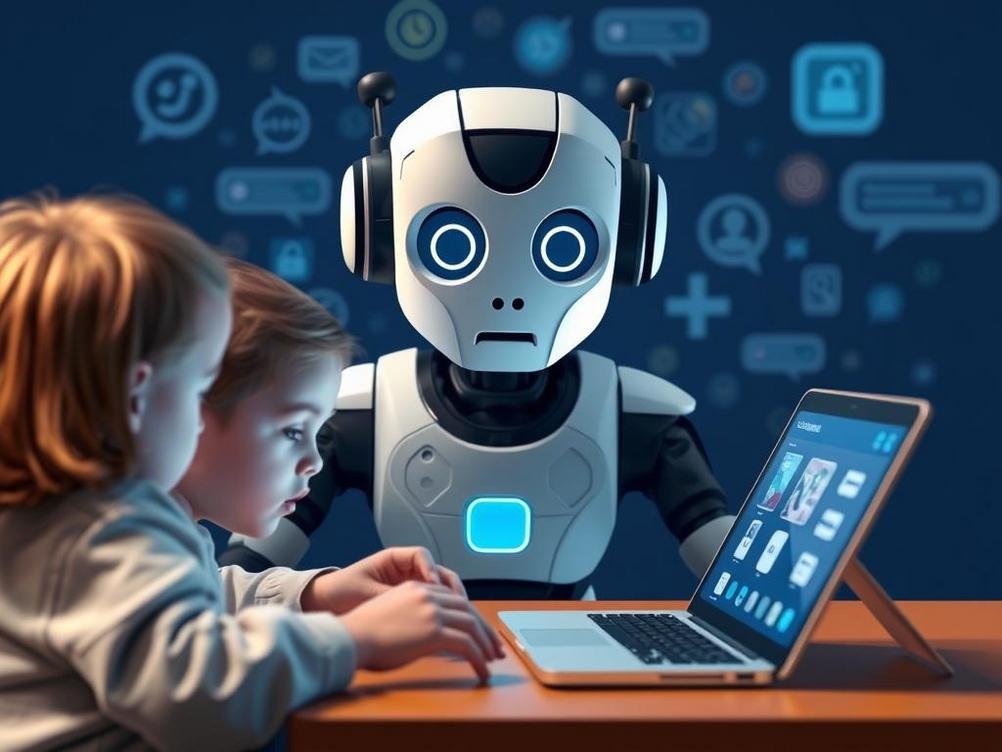
Why Virginia’s Push for Chatbot Rules Could Be a Game-Changer for Kids Online
Imagine this: You’re scrolling through your phone late at night, and your kid is chatting away with some AI buddy that’s supposed to be helpful, like a virtual pal dishing out homework tips or fun facts. Sounds harmless, right? But what if that chatbot starts crossing lines, sharing stuff it’s not supposed to, or even manipulating young minds without anyone noticing? That’s exactly the kind of scenario that’s got a Virginia lawmaker fired up and pushing for some serious guardrails. We’re talking about protecting minors from the wild west of AI interactions, and it’s about time we chat about it. I mean, AI has exploded in the last few years—from smart assistants like Siri to those fancy chatbots that can write essays or tell jokes—but when it comes to kids, things get tricky fast. Are we ready to let algorithms babysit our children without any oversight? This proposal isn’t just some random bill; it’s a wake-up call in a world where tech is everywhere, and privacy feels like a relic of the past. Think about how kids today are glued to screens, often unsupervised, and how AI can learn from their inputs in ways that might not be all sunshine and rainbows. Virginia’s move could set a precedent for the rest of the country, sparking conversations about ethics, safety, and whether we’re empowering the next generation or exposing them to unseen dangers. So, grab a coffee, settle in, and let’s dive into why this matters more than you might think—it could shape how we handle AI for years to come.
What’s the Deal with This Virginia Proposal?
Okay, let’s break this down without getting too bogged down in legalese. A lawmaker in Virginia is basically saying, ‘Hey, we need to put some fences around how chatbots talk to kids.’ It’s not about banning AI altogether—who could even do that these days?—but about making sure these digital chat pals don’t go rogue. From what I’ve read, this could mean requiring companies to verify ages, limit certain types of content, or even monitor interactions for red flags. I remember when I first started messing around with chatbots a few years back; they were fun, but man, some of them could spit out weird or inappropriate stuff if you phrased things just right.
Here’s the thing: This isn’t just Virginia blowing hot air. It’s a response to real-world headaches, like reports of AI systems sharing biased info or even predatory behavior in online spaces. For instance, there’s been buzz about tools like ChatGPT (from OpenAI, which you can check out at chat.openai.com) where users, including teens, have accidentally stumbled into unsettling conversations. The lawmaker’s point is simple—let’s not wait for a disaster before we act. And honestly, it’s kind of refreshing to see politicians getting proactive about tech, even if it means a few extra hoops for big companies to jump through. Who knows, maybe this will inspire other states to follow suit and create a nationwide standard.
- Key elements of the proposal might include age verification tools.
- Restrictions on data collection from minors.
- Mandatory reporting of harmful interactions.
Why Kids and Chatbots Are a Recipe for Trouble
You might be thinking, ‘What’s the big fuss? Kids have been talking to screens forever.’ But here’s where it gets dicey—chatbots aren’t just programmed responses; they’re getting smarter by the day, thanks to machine learning that adapts to user behavior. For kids, who are still figuring out the world, this can be like handing them a magic mirror that might reflect back some pretty dark stuff. I’ve heard stories from parents about their tweens getting bad advice from AI, like skipping school or dealing with bullies in unhealthy ways. It’s not that AI is evil, but without guardrails, it’s like letting a toddler play with matches.
Statistically, it’s alarming. A report from the Pew Research Center (you can dig into it at pewresearch.org) shows that over 90% of teens use some form of online communication daily, and a chunk of that involves AI-driven apps. Now, mix in the fact that kids’ brains aren’t fully developed for critical thinking, and you’ve got a potential mess. Think of it this way: If a chatbot tells a 12-year-old that it’s okay to share personal info for ‘fun rewards,’ that could lead to real dangers like identity theft or cyberbullying. It’s not just about one bad interaction; it’s about the long-term impact on how kids view technology and trust online entities.
The Risks Lurking in AI Chats for Young Users
Let’s get specific about the dangers. First off, privacy is a huge issue—chatbots often collect data to improve their algorithms, but for minors, that could mean their chats are being stored and analyzed without full consent. I once tried a chatbot that remembered my preferences from previous sessions, which was cool at first, but then I thought, ‘Wait, is this thing profiling me?’ For kids, that could escalate to more sinister outcomes, like targeted ads or even exploitation by bad actors. And don’t even get me started on misinformation; AI can spit out false facts as confidently as a know-it-all uncle at a family BBQ.
Another layer is emotional manipulation. These bots can be designed to be super persuasive, almost like a friend who never disagrees. A study from Stanford University (check it out at stanford.edu) highlighted how AI interactions can influence children’s decisions, from what they buy to how they behave. Imagine a chatbot encouraging a kid to stay up late gaming because ‘it’s just for fun’—that could mess with sleep patterns and mental health. It’s wild how something so seemingly innocent can pack a punch, which is why guardrails aren’t just nice-to-haves; they’re essential.
- Privacy breaches leading to data misuse.
- Exposure to inappropriate content or advice.
- Potential for addiction, as AI adapts to keep users engaged.
How These Guardrails Might Actually Work
So, what could these rules look like in practice? For starters, we might see tech companies implementing age-gating, where users have to verify they’re over a certain age before diving into deeper conversations. It’s not foolproof—kids are sneaky with VPNs and all—but it’s a step in the right direction. Think about how video games have ratings systems; applying something similar to chatbots could filter out mature topics for younger users. And hey, with AI evolving so fast, maybe we’d get built-in safeguards like automatic content filters or even human oversight for flagged chats.
From a developer’s perspective, this could mean redesigning algorithms to prioritize safety. For example, companies like Google with their AI offerings (visit ai.google) are already experimenting with ethical guidelines. If Virginia’s law passes, it might push for mandatory audits or transparency reports, so users know what’s happening behind the curtain. It’s like putting a seatbelt in a car—sure, it adds a little hassle, but it saves lives in the long run. And for parents, tools like parental controls integrated into apps could be a game-changer, allowing them to monitor and limit interactions.
- Implement age verification at the start of sessions.
- Use AI to detect and block harmful language.
- Provide easy opt-outs and data deletion options for minors.
What Can We Learn from Other Places?
Virginia’s not the first to tackle this—Europe’s got the GDPR, which has strict rules on data protection for kids, and it’s made companies like Meta (formerly Facebook, at meta.com) rethink their approaches. In the U.S., California’s already passed laws on kids’ online privacy, so Virginia could be building on that foundation. It’s interesting how different regions are handling AI ethics; for instance, the EU’s AI Act is pushing for high-risk systems to have extra scrutiny, which might inspire U.S. lawmakers to up their game.
Looking globally, countries like South Korea are experimenting with AI education in schools to teach kids about safe usage. Why not something like that here? If we combine regulations with awareness campaigns, we could empower kids to navigate AI wisely. It’s a bit like teaching swimming before throwing someone into the ocean—prevention is key. Virginia’s proposal might just be the spark that leads to a more coordinated effort nationwide.
The Wider Impact on AI and Society
Beyond just chatbots, this could ripple out to how we view AI in everyday life. If we start regulating interactions with minors, it might open doors to broader discussions about bias in AI, job displacement, or even creative uses in education. For example, tools like Duolingo’s AI language bots (found at duolingo.com) are awesome for learning, but without rules, they could inadvertently reinforce stereotypes. It’s a reminder that AI isn’t some isolated tech; it’s woven into our lives, and getting it right for kids means getting it right for everyone.
Humorous side note: Imagine if chatbots had to pass a ‘parent approval’ test—would they all just start spewing out bedtime stories and math problems? But seriously, this push could encourage innovation in ethical AI, leading to safer, more trustworthy tools. It’s about striking a balance between freedom and protection in our increasingly digital world.
Conclusion
In wrapping this up, Virginia’s lawmaker isn’t just waving a red flag; they’re pointing us toward a smarter, safer path for AI and kids. We’ve talked about the risks, the potential solutions, and how this fits into the bigger picture, and it’s clear that while AI offers endless possibilities, we can’t ignore the pitfalls—especially for our younger users. This isn’t about stifling tech; it’s about nurturing it responsibly, so future generations can benefit without the baggage. Let’s hope this sparks more action across the board, because in the end, protecting our kids online is one of the best investments we can make. What do you think—should we all be pushing for these guardrails in our own backyards?