dailytech.ai
How Salesforce is Leading the Charge in AI-Driven Sustainability
Picture this: You’re scrolling through your feed, seeing headlines about melting ice caps and corporate greenwashing, and suddenly you wonder, “Can big tech actually help save the planet?” Well, spoiler alert—it might just be happening right now with companies like Salesforce. This isn’t your typical sales software giant anymore; they’re diving headfirst into AI to tackle sustainability head-on. From optimizing energy use in data centers to predicting environmental risks, Salesforce is showing how artificial intelligence can turn eco-friendly talk into real action. It’s like giving Mother Nature a high-tech sidekick, and honestly, it’s about time. In this article, we’ll dive into how Salesforce is accelerating sustainability with AI, breaking down the cool innovations, real-world wins, and even some bumps in the road. Whether you’re a business owner looking to go green or just a curious cat wondering if AI can do more than generate cat memes, you’ll find plenty of insights here. By the end, you might even feel inspired to plug your own gadgets into the sustainability grid. So, grab a coffee (or a reusable water bottle) and let’s unpack this.
What Exactly is Salesforce Up To with AI and Sustainability?
You know, when I first heard about Salesforce using AI for sustainability, I thought, “Isn’t this the company that sells CRM software?” But they’ve evolved big time. Basically, Salesforce is leveraging AI to make businesses more eco-conscious, like using machine learning to analyze data from supply chains and spot ways to cut down on waste. It’s not just pie-in-the-sky stuff; they’re integrating AI into their core products to help companies track their carbon footprints in real-time. For instance, their Einstein AI platform crunches numbers on energy consumption and emissions, making it easier for businesses to set and meet sustainability goals. It’s like having a personal trainer for your company’s environmental impact—pushing you to do better without the guilt trip.
And here’s a fun fact: According to a report from the World Economic Forum, AI could reduce global greenhouse gas emissions by up to 5% by 2030 if scaled properly. Salesforce isn’t waiting around; they’re already partnering with organizations to make this a reality. Think about it—AI isn’t just for predicting stock markets or recommending Netflix shows; it’s now predicting how a factory’s operations might affect the climate. If you’re into stats, Salesforce’s own sustainability report from last year showed they reduced their operational emissions by 42% since 2017. Pretty impressive, right? So, if you’re running a business, this could be the nudge you need to start incorporating AI tools like the ones from Salesforce Einstein into your strategy.
- AI-powered analytics for tracking carbon emissions.
- Integration with IoT devices to monitor real-time environmental data.
- Customizable dashboards that make complex data feel approachable.
The Magic Behind AI: How Salesforce’s Tech is Making a Green Difference
Okay, let’s get a bit nerdy—because who doesn’t love peeking under the hood of cool tech? Salesforce isn’t just slapping AI onto their products; they’re building it from the ground up to focus on sustainability. Their AI algorithms, part of the Net Zero Cloud, use predictive analytics to forecast things like water usage or waste production. It’s like having a crystal ball that tells you, “Hey, if you keep this up, you’ll hit your eco targets.” And the best part? It’s all powered by machine learning models that learn from massive datasets, getting smarter over time. Imagine if your phone could not only remind you to recycle but also suggest ways to cut your household waste—now scale that to a global business level.
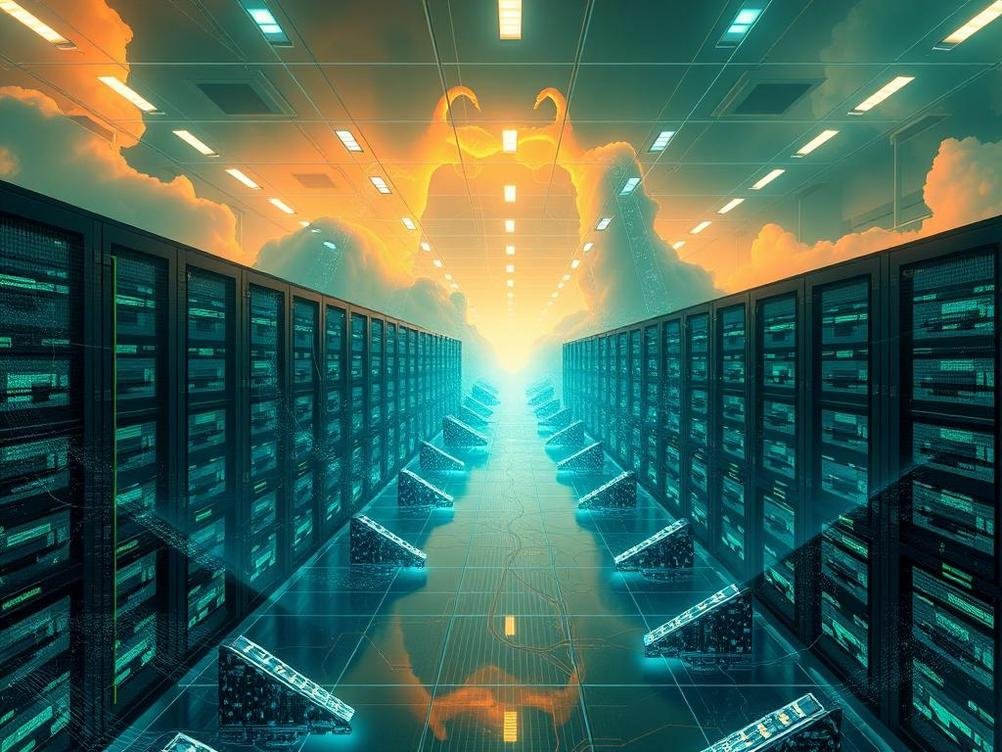
Take their work with renewable energy, for example. Salesforce has been using AI to optimize data center operations, which are notorious energy hogs. By predicting peak usage times, they can shift workloads to times when renewable energy is more available, slashing fossil fuel dependency. I mean, it’s hilarious how AI, which once seemed like a sci-fi plot device, is now helping us dodge climate disasters. A study by McKinsey estimates that AI could unlock $1 trillion in value for the energy sector alone by 2030 through efficiency gains. Salesforce is right in the mix, offering tools that businesses can adopt without reinventing the wheel. If you’re curious, check out Net Zero Cloud to see how it’s reshaping sustainability efforts.
But let’s not gloss over the human element. AI isn’t magic; it’s people like the engineers at Salesforce who program it to prioritize green goals. They’ve got teams dedicated to ethical AI development, ensuring that the tech doesn’t just crunch numbers but does so in a way that benefits the planet. It’s a reminder that technology is only as good as the intentions behind it.
Real-World Wins: Case Studies of AI in Action at Salesforce
Enough with the theory—let’s talk real deals. Salesforce isn’t just theorizing; they’re putting AI to work with actual companies. For instance, they’ve partnered with Unilever to use AI for sustainable sourcing, analyzing supply chains to reduce deforestation risks. It’s like AI playing detective, sifting through data to spot patterns that humans might miss. Unilever reported cutting supply chain emissions by 5% in pilot programs, all thanks to Salesforce’s tools. If that doesn’t sound exciting, think about how this could apply to your local coffee shop or favorite brand—ensuring that your daily brew isn’t contributing to rainforest loss.
Another great example is their collaboration with the city of San Francisco. Using AI, they’ve helped optimize public transportation routes to lower emissions. Imagine buses that reroute based on real-time traffic and passenger data—it’s straight out of a futuristic movie, but it’s happening now. According to Salesforce’s case studies, this kind of AI integration can reduce urban emissions by up to 10-15%. And here’s a quirky tidbit: I once read that AI-driven logistics could save the equivalent of 2 million barrels of oil annually worldwide. That’s not just numbers; that’s less pollution and more breathable air for everyone. If you’re a business leader, tools like these from Salesforce Sustainability could be game-changers for your operations.
- Partnerships with brands like Unilever for ethical sourcing.
- Urban applications, like AI-optimized city planning.
- Scalable solutions for small businesses to get started.
The Roadblocks: Challenges Salesforce Faces in AI and Sustainability
Look, no one’s saying this is all sunshine and rainbows. Even Salesforce hits snags when blending AI with sustainability. For starters, AI systems gobble up energy, which kinda defeats the purpose if it’s not green energy. They’ve got to balance the computational demands with their eco-goals, and that’s no easy feat. It’s like trying to diet while surrounded by donuts—tempting to slip up. But Salesforce is tackling this by investing in renewable-powered data centers, though it’s a constant juggle.
Then there’s the data privacy angle. AI relies on heaps of data, and companies worry about sharing sensitive info for sustainability tracking. Salesforce addresses this with robust security features, but it’s a hot topic. A recent Gartner report highlighted that 75% of organizations see data privacy as a barrier to AI adoption. Humorously, it’s like AI wants to save the world but needs your permission first. Despite these hurdles, Salesforce’s transparency in their practices makes them a leader, showing that with a bit of creativity, you can overcome these obstacles.
And don’t forget the skills gap—finding folks who can handle both AI and sustainability expertise isn’t simple. But initiatives like their training programs are bridging that divide, making it accessible for more people.
Why This Matters: The Bigger Picture for Businesses and the Planet
So, why should you care about Salesforce’s AI escapades? Well, it’s not just about one company; it’s about a shift in how we do business. In a world where climate change is no longer a distant threat, AI tools from Salesforce can help any business reduce its environmental footprint while boosting efficiency. Think about it: If every company used AI to optimize resources, we could be looking at a greener future faster than you can say “recycle.” It’s empowering, really—turning what feels like an overwhelming problem into actionable steps.
For businesses, the perks are clear: lower costs from energy savings, better brand reputation, and even regulatory compliance. A Deloitte study found that sustainable practices can increase revenue by up to 20% through customer loyalty. Salesforce is making this easy with user-friendly platforms that don’t require a PhD in tech. It’s like having a sustainability coach in your pocket, minus the cheesy motivational quotes.
- Economic benefits of going green with AI.
- How it builds trust with eco-conscious consumers.
- Long-term advantages for global sustainability.
What’s Next? The Future of AI in Sustainability with Salesforce
Fast-forward a few years, and AI’s role in sustainability is only going to grow, especially with players like Salesforce leading the way. They’re already experimenting with advanced AI models that can simulate climate scenarios, helping businesses prepare for everything from floods to heatwaves. It’s wild to think about—AI not just reacting to problems but preventing them. By 2030, experts predict AI will be integral to achieving net-zero goals, and Salesforce is positioning itself at the forefront.
One exciting development is their expansion into AI for biodiversity tracking, partnering with conservation groups. Imagine drones equipped with AI analyzing forest health in real-time—it’s like giving nature its own watchdog. And for the everyday user, this means more accessible tools to make personal choices that add up. As we head into 2026, keep an eye on updates from Salesforce’s blog for the latest innovations.
Of course, it’s all about collaboration. Salesforce isn’t going it alone; they’re open-sourcing some tech to encourage wider adoption. It’s a team effort, and that’s what makes it feel hopeful.
Conclusion
In wrapping this up, Salesforce’s push with AI for sustainability is a beacon of what’s possible when tech meets purpose. We’ve seen how they’re not just talking the talk but walking the walk, from cutting emissions to empowering businesses worldwide. It’s inspiring to think that tools once seen as cold, calculating machines are now warming up to help cool down the planet. Whether you’re a tech enthusiast or just someone who cares about the world we leave for the next generation, adopting a bit of this AI magic could make a real difference. So, let’s cheer on innovators like Salesforce and maybe even try integrating some of these ideas into our own lives—because at the end of the day, every step counts toward a brighter, greener future.