dailytech.ai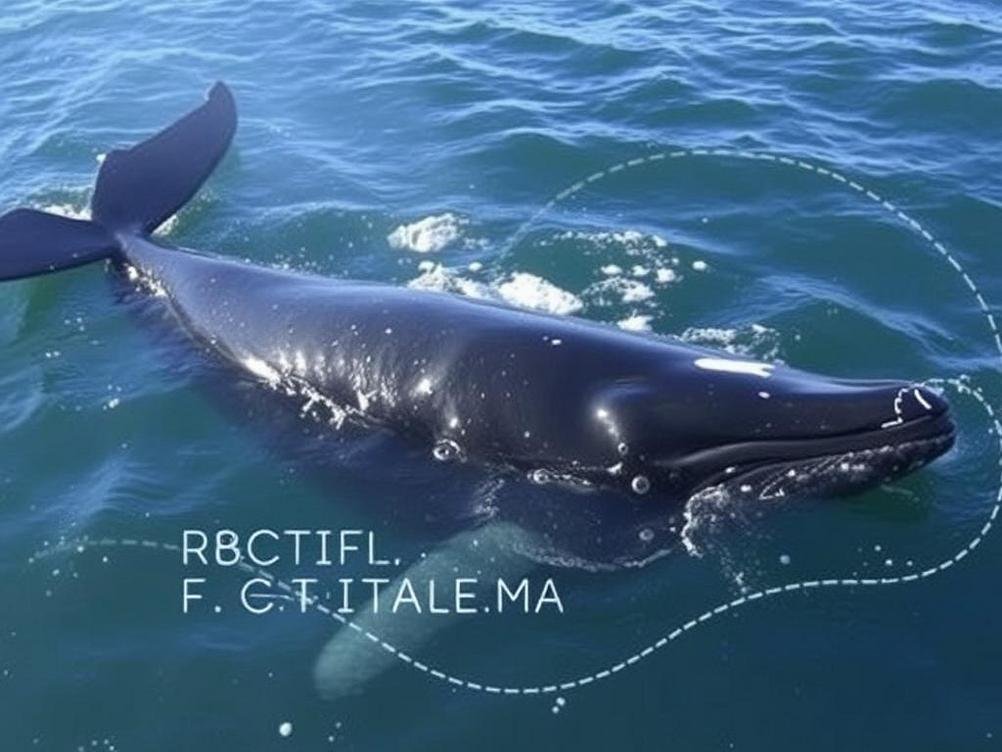
How New Tech is Giving Right Whales a Fighting Chance Against Boat Strikes
Imagine you’re a massive, gentle giant cruising through the ocean, minding your own business, when suddenly—bam!—a speeding boat turns you into an unintended target. That’s the harsh reality for Right Whales, these slow-moving beauties of the deep that have been getting the short end of the stick from human activity for years. We’re talking about a species that’s already teetering on the brink, with populations so low that every single one counts. Now, picture this: innovative tech stepping in like a superhero, zapping those deadly encounters before they happen. It’s not sci-fi anymore; it’s real, and it’s about time we chatted about it. As someone who’s always geeked out on ocean conservation, I can’t help but get excited about how gadgets and smarts are teaming up to save these whales from becoming collateral damage in our busy waterways. But let’s dive deeper—pun intended—into why this matters, how it works, and what it means for the future of our watery world. We’ll explore the tech, the challenges, and even what you can do to pitch in, because hey, we’re all in this together.
What Are Right Whales and Why Should We Care?
Right Whales are basically the underdogs of the ocean, these enormous creatures that look like they stepped out of a nature documentary. They’re called ‘Right Whales’ because back in the whaling days, hunters thought they were the ‘right’ ones to go after—easy to catch and full of blubber. Today, though, they’re fighting for survival, with only a few thousand left worldwide. What’s not to love about them? They’ve got these funky, crusty growths on their heads called callosities, which are like nature’s weird tattoos, and they migrate thousands of miles just to hang out in prime feeding grounds. But here’s the kicker: they’re super slow swimmers, topping out at around 5 miles per hour, which makes them sitting ducks for boats zipping along at 20 or 30 times that speed.
Why should we care about these guys? Well, for starters, they’re a key part of the marine ecosystem, helping keep the oceans balanced by chowing down on tiny critters like plankton. Lose them, and it’s like pulling a thread from a sweater—everything starts unraveling. Plus, there’s the whole emotional angle. I mean, who doesn’t feel a pang watching videos of these majestic animals breaching the surface? Studies from organizations like the National Oceanic and Atmospheric Administration (NOAA) show that Right Whale populations have dropped by over 90% since the 1800s, largely due to hunting and now boat strikes. It’s a wake-up call that we’re messing with nature’s flow, and if we don’t step up, we might lose them forever. Think of them as the canaries in the coal mine for ocean health—ignore them, and we’re all in trouble.
One fun fact: Right Whales are known for their eerie, haunting calls that can travel for miles underwater. It’s like they’re throwing a party we can’t join, but we sure as heck don’t want to crash it with our boat propellers. This new tech? It’s our way of saying, ‘Hey, let’s not be the party poopers.’
The Grim Reality of Boat Strikes on Right Whales
Boat strikes are no joke—they’re one of the top killers of Right Whales these days, right up there with fishing gear entanglements. Picture this: a whale is just floating along, maybe taking a nap or scoping for food, and suddenly a vessel comes barreling through like a truck on a highway. These collisions can cause massive injuries, from deep gashes to internal damage, and often lead to slow, painful deaths. According to data from the International Whaling Commission, hundreds of whales have been affected over the years, with many incidents going unreported because, well, the ocean’s a big place and not everything floats to the surface.
What’s really frustrating is how preventable this is. Boats are everywhere—commercial ships, fishing vessels, even your average yacht—and they don’t always see these whales until it’s too late. I’ve read reports from groups like the World Wildlife Fund that estimate up to 50% of adult Right Whales show scars from past encounters. It’s like they’re wearing badges of survival, but not everyone makes it out alive. And let’s not forget the ripple effect: when a whale dies, it’s not just one life lost; it’s impacting breeding populations and the whole food chain. Humor me for a second—imagine if cars had to navigate a road full of invisible elephants; that’s basically what ships deal with in whale territory.
- Key stats to chew on: In the North Atlantic alone, boat strikes account for nearly a quarter of all Right Whale deaths.
- Common hotspots include areas off the East Coast of the US, where whales feed and ships pass through regularly.
- Many strikes happen in low-visibility conditions, like fog or at night, turning the ocean into a game of blind man’s bluff.
Enter the Heroes: New Technology on the Scene
Alright, enough doom and gloom—let’s talk about the good stuff. This new technology is like a guardian angel for whales, using cutting-edge tools to detect and alert everyone involved. We’re seeing things like automated detection systems and AI-powered alerts that can spot a whale from miles away. For instance, companies like Whale Alert are deploying buoys and satellite tech that monitor whale movements in real-time. It’s pretty cool how this stuff works; imagine your phone getting a notification if you’re about to hit something, but for massive ships.
One standout example is the use of hydrophones and drones equipped with AI algorithms to listen for whale calls and visually identify them. These systems can send warnings to nearby vessels, giving captains time to slow down or change course. I remember reading about a trial run off the coast of Massachusetts where this tech reduced potential strike risks by 80%. It’s not perfect, but it’s a step in the right direction, turning what was once a guessing game into something more like a high-tech dance party—everyone stays in their lane.
To make it relatable, think of it as a smartwatch for the ocean. Just as your fitness tracker buzzes when you’re about to overdo it, this tech buzzes ships when whales are nearby. And for more info, check out the NOAA’s website at noaa.gov, where they detail some of these initiatives.
How This Tech Actually Works: Breaking It Down
Okay, let’s geek out a bit on the mechanics. At its core, this technology relies on sensors, data analytics, and sometimes even machine learning to predict and prevent collisions. For example, underwater microphones pick up whale songs, which are then analyzed by software that can distinguish a Right Whale’s call from, say, a dolphin or background noise. Once detected, the info gets beamed to a central system that alerts ships via apps or radio signals.
Then there’s the visual side: drones and cameras on boats use AI to scan the water for whale shapes. It’s like facial recognition, but for sea creatures. A metaphor to wrap your head around: it’s similar to how your car might have blind-spot monitoring—except here, the ‘blind spot’ is the entire ocean. Early tests have shown that these systems can detect whales up to 5 kilometers away, giving ships plenty of time to adjust. Of course, it’s not foolproof; weather can mess with signals, and not all areas have coverage yet, but it’s evolving fast.
- Benefits include real-time data sharing, which helps researchers track whale migrations.
- Challenges: High costs and the need for international cooperation to implement it globally.
- Fun twist: Some systems even use thermal imaging, like those night-vision goggles in action movies, to spot whales in murky waters.
Real-World Wins and Inspiration from the Field
Let’s look at some success stories to keep things upbeat. In Canada, a project using AI-powered detection in the Bay of Fundy has cut down on whale-vessel interactions by a significant margin. Fishermen and shipping companies are actually on board—pun intended—with this tech, reporting fewer disruptions and safer waters. It’s inspiring to see how collaboration between scientists, governments, and industries is making a difference, turning potential tragedy into triumph.
Take the example of the Right Whale Consortium’s app, which mariners can download to get live alerts. Users have shared anecdotes about narrowly avoiding strikes, like one captain who said, ‘It was like having a sixth sense out there.’ This isn’t just about saving whales; it’s about fostering a more harmonious relationship between humans and the sea. And for those wanting to dive deeper, the Right Whale Consortium’s site at rightwhaleconsortium.org has tons of stories and data.
Personally, I find it hilarious how technology is playing matchmaker in the ocean—keeping whales and boats from an awkward, disastrous date. But seriously, these wins show that with a bit of innovation, we can turn the tide.
Challenges Ahead and What the Future Holds
Don’t get me wrong; this tech is awesome, but it’s not without hurdles. For one, getting everyone on board—literally—means dealing with regulations, costs, and even resistance from industries that see it as a hassle. Plus, climate change is throwing curveballs, altering whale migration patterns and making predictions trickier. We’ve got to keep pushing for better funding and global standards to make this scalable.
Looking ahead, I see a future where this tech evolves with advancements in AI, maybe even integrating with autonomous ships. Imagine a world where vessels adjust their paths automatically, like self-driving cars on water. It’s exciting, but we need to stay vigilant and support ongoing research to iron out the kinks. After all, as the saying goes, ‘An ounce of prevention is worth a pound of cure’—especially when it comes to saving a species.
- Potential roadblocks: Data privacy concerns and the tech’s reliability in rough seas.
- Opportunities: Partnerships with tech giants could speed things up.
- One silver lining: As AI gets smarter, so does our ability to protect wildlife.
Conclusion: Let’s Make Waves for Change
Wrapping this up, it’s clear that new technology is a game-changer for Right Whales, offering a beacon of hope in the fight against boat strikes. From detection systems to AI alerts, we’re finally using our smarts to protect these incredible animals and ensure they stick around for generations to come. It’s heartening to see how far we’ve come, but the work isn’t done yet—it’s on all of us to advocate for wider adoption and keep the pressure on for ocean-friendly policies.
So, what can you do? Start by spreading the word, supporting conservation orgs, or even donating to projects like those from the World Wildlife Fund at worldwildlifefund.org. Let’s turn this into a movement, because in the end, saving the whales isn’t just about them—it’s about preserving the wild beauty of our planet. Who knows? Maybe one day we’ll look back and say, ‘We didn’t just watch; we made a difference.’ Here’s to hoping we all swim in the same direction.