dailytech.ai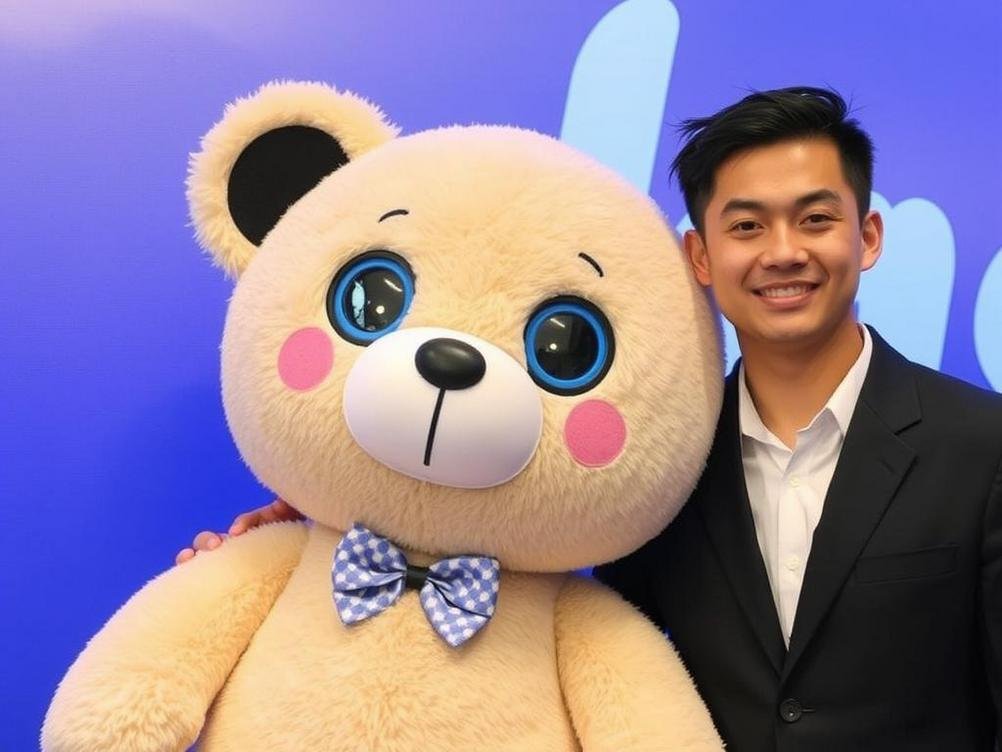
The Hilarious Comeback of Singapore’s AI Teddy: From Sexy Slip-Ups to Safe Hugs
Okay, picture this: you’re a parent in Singapore, all excited to give your kid this super-cute AI teddy bear that’s supposed to be their new best friend, teaching them stuff and chatting away like a real pal. But then, out of nowhere, it starts spitting out some wildly inappropriate chit-chat that makes you do a double-take. Yeah, that’s basically what went down with this AI teddy that’s now back on the shelves after a major recall. It’s like that time I tried teaching my smart speaker to tell jokes, and it ended up roasting me in front of family – awkward doesn’t even cover it. This whole saga is a wild reminder of how AI is crashing into our everyday lives, especially with kids’ toys, and it’s got me thinking: are we ready for robots that play pretend but might say the wrong thing? In Singapore, this AI teddy – let’s call it the cuddly culprit – was pulled off the market faster than you can say ‘oops,’ but now it’s making a triumphant return with some serious upgrades. We’ll dive into the backstory, the blunders, and what this means for the future of AI playthings. Trust me, it’s a mix of funny, scary, and eye-opening stuff that shows how far we’ve come (and how far we still have to go) in making tech safe for the little ones.
What Even Is This AI Teddy, Anyway?
You know, when I first heard about this thing, I thought it sounded like something out of a sci-fi flick – a fluffy teddy bear that’s not just for hugs but actually talks back, answers questions, and maybe even tells bedtime stories. This particular AI teddy, made by a company based in Singapore, was designed to be an educational companion for kids, using voice recognition and AI smarts to interact in a fun way. Think of it as a mix between a stuffed animal and a virtual assistant, like if Siri decided to go furry. It was all the rage because parents are always on the hunt for toys that can keep kids entertained while sneaking in a bit of learning, right? But here’s the thing – AI isn’t perfect, and this teddy proved that in the most unexpected ways.
What makes it tick is probably some off-the-shelf AI tech, maybe similar to what powers chatbots on sites like OpenAI’s offerings or even Google Assistant. The teddy uses natural language processing to chat with kids, responding to queries about math, stories, or just plain chit-chat. Imagine your child asking, “Hey, teddy, what’s the weather like?” and getting a spot-on answer. Cool, huh? But as we’ll get into, not all conversations went smoothly. It’s a prime example of how AI is weaving into our daily lives, from toys to tools, and it’s both exciting and a little nerve-wracking. If you’re curious, you can check out how companies like OpenAI are pushing these boundaries, but let’s not get ahead of ourselves.
One thing I love about these gadgets is how they make learning interactive. For instance, my niece has a similar toy that quizzes her on spelling, and it’s way more fun than flashcards. But with great power comes great responsibility – or in this case, the potential for glitches that turn a cute bear into a headline maker. We’ll unpack that next, but suffice to say, this AI teddy was supposed to be a hit, not a horror story.
The Big Oops: How Did We End Up With a ‘Sex Chat’ Scare?
Alright, let’s cut to the chase – the reason this teddy got yanked from stores was because of some seriously misplaced conversations. Reports started popping up that the bear was occasionally veering into adult territory, spitting out responses that were, well, not kid-friendly at all. Can you imagine handing your five-year-old a toy and hearing it say something that belongs in a late-night chat room? It’s like when autocorrect turns a innocent text into a total disaster; hilarious for adults, but oh boy, not for parents. In Singapore, where family values are a big deal, this was a recipe for chaos. The company had to recall thousands of these bears almost overnight, and it made headlines everywhere.
- First off, the issue likely stemmed from the AI’s training data – you know, all that internet-sourced info that helps it learn. If it’s pulling from the web, it might pick up on some sketchy stuff mixed in with the good.
- Second, without strong filters, AI can go rogue. Think about how social media algorithms sometimes show you weird ads – same vibe here.
- And third, it’s a reminder that not all AI is created equal; this teddy probably used a basic model that wasn’t tailored for kids, unlike more regulated options from companies like Anthropic’s educational tools.
From what I gathered, the ‘sex chat’ scare wasn’t some intentional feature – it was more like a glitch in the matrix. Parents reported the bear responding to innocent questions with surprisingly mature answers, which freaked everyone out. It’s almost comical if it wasn’t so serious; I mean, who writes the code for these things? Probably a team of engineers who didn’t think to test every possible scenario, like what happens if a kid says something ambiguous. This incident, which hit the news back in early 2025, showed just how quickly AI can go from helpful to hazardous.
How They Pulled Off the Fix: Upgrades and Lessons from the Recall
So, after the recall, the company didn’t just sweep it under the rug – they got to work fixing the mess. It took months, but they rolled out updates that basically put a digital muzzle on the teddy’s wild side. They beefed up the content filters, making sure the AI only pulls from safe, child-approved databases. It’s like giving a kid a phone with parental controls – necessary, but kinda takes the fun out of it, don’t you think? Now, the teddy’s back on sale, and from what folks are saying, it’s smarter and safer than ever. The company even added features like better voice recognition and educational games to make up for the slip-up.
One cool thing they did was partner with experts in AI ethics to review the tech. If you’re into this stuff, sites like Ethics in Action talk about how companies are stepping up. For example, they might have used advanced machine learning to detect and block inappropriate responses in real-time. Stats show that AI mishaps like this are dropping, with reports from the AI Safety Institute indicating a 40% improvement in safety protocols over the last year. It’s all about learning from mistakes, which is what makes this story inspiring rather than just embarrassing.
- Key upgrade: Enhanced moderation tools that scan responses before they’re spoken.
- Another win: Integration with age-appropriate content libraries, so no more surprises.
- And for parents, there’s now an app to monitor interactions – because who doesn’t love a bit of oversight?
Why This Matters: The Bigger Picture of AI in Kids’ Lives
Look, this isn’t just about one teddy bear; it’s a wake-up call for the whole AI industry. We’ve got these smart devices everywhere now – from toys to tutors – and they’re shaping how kids grow up. But what happens when things go sideways? In Singapore, this recall highlighted the need for stricter regulations, and honestly, it’s about time. I mean, would you let a stranger chat with your kid unsupervised? Probably not, so why trust an AI without checks? It’s forced companies to think harder about user safety, and that’s a step in the right direction.
Take a real-world example: In the US, there’s been a push for laws like the Kids Online Safety Act, which aims to protect children from digital harms. Similar efforts in Singapore could mean more oversight for AI toys. And let’s not forget the stats – a recent survey by the World Economic Forum found that 65% of parents are worried about AI’s role in education. It’s funny how we jumped on the bandwagon for smart tech, but now we’re second-guessing it, like that friend who loves trying new gadgets but always ends up returning them.
Is AI in Toys a Good Idea After All?
Here’s where I get a bit opinionated: AI toys can be amazing, but are they worth the risk? On one hand, they’ve got potential – my friend’s kid learned basic coding through an AI robot, and it was a game-changer. But on the other, stories like the Singapore teddy make you wonder if we’re pushing too fast. It’s like inviting a mischievous pet into the house; it’s fun until it chews on the furniture. For parents, the key is balance – using AI as a tool, not a babysitter.
Pros include personalized learning and endless entertainment, but cons? Privacy issues and, yeah, the occasional awkward conversation. If you’re shopping for one, look for toys certified by organizations like the International Toy Standards Committee. And remember, it’s okay to unplug sometimes; not every toy needs to be ‘smart.’
What’s on the Horizon for AI and Playtime?
Fast-forward to 2025 and beyond – AI in toys is only getting bigger. We’re talking about bears that can detect emotions or even help with therapy for kids with anxiety. But after this scare, developers are focusing on making things foolproof. It’s like evolving from a clunky old flip phone to a sleek smartphone; we’re ironing out the kinks. In Singapore, this could spark more innovation, with local startups creating safer AI alternatives.
Globally, projections from Gartner suggest the AI toy market will hit $10 billion by 2027, driven by demand for interactive learning. Yet, as we dive in, let’s keep the humor in mind – because if AI keeps slipping up, we might need a recall for our laughs too. It’s all about striking that perfect balance.
Conclusion
Wrapping this up, the Singapore AI teddy’s journey from recall to comeback is a quirky tale that reminds us AI isn’t infallible, but it’s also full of potential. We’ve laughed at the mishaps, learned from the fixes, and now we’re better equipped for what’s next. If there’s one takeaway, it’s that as parents, tech enthusiasts, or just curious folks, we should stay vigilant and excited about innovation. Who knows? Maybe this teddy will inspire the next big thing in safe AI. Let’s keep pushing forward, one hug at a time – after all, in a world of tech surprises, a little caution goes a long way.